
Yes. Dogs can eat crab meat in small amounts when it is fully cooked and served plain. Crab provides protein and minerals that may support muscle and immune health. It should only be offered occasionally because it can be high in sodium and rich for some dogs.
Last updated:
March 19, 2026
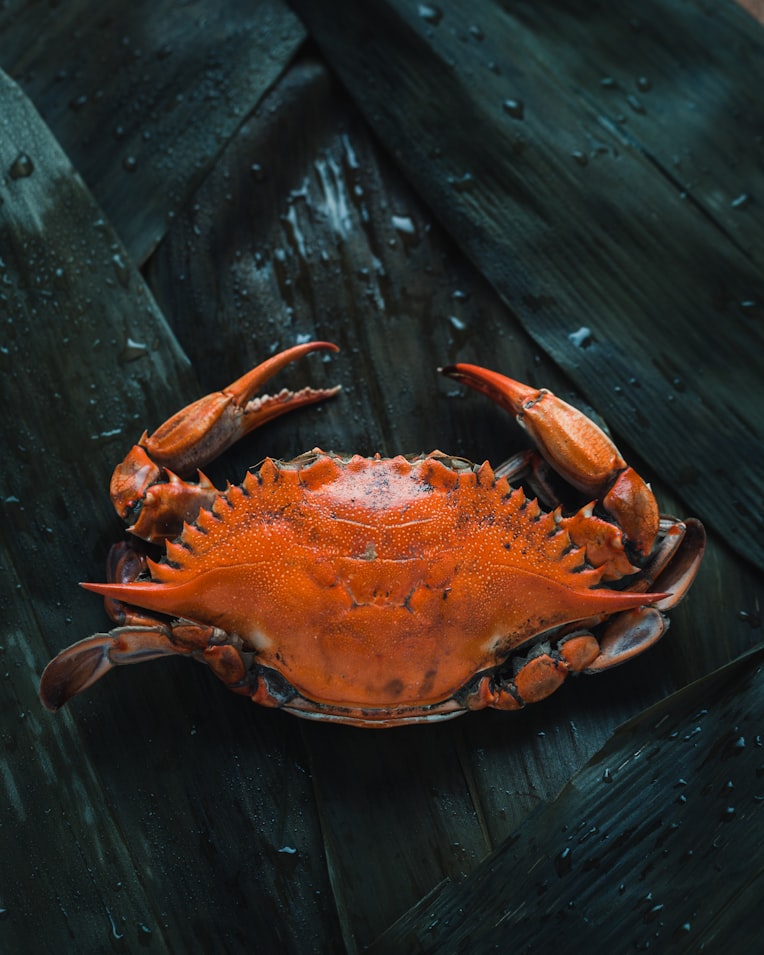
Crab must always be served fully cooked and completely removed from the shell before feeding. Shell fragments can cause choking or digestive injury. Avoid feeding crab that has been cooked with butter, oil, garlic, onion, salt or sauces because these ingredients may upset a dog’s stomach. Because crab can contain higher sodium levels it should only be offered as an occasional treat rather than a regular food.
Important: We do our best to ensure the information on this page is accurate and based on reputable animal health sources. However, this website is intended for general informational purposes only and the content has not been individually reviewed or approved by a veterinarian.
Every dog is different and reactions to foods can vary. If you have concerns about your dog’s diet or health, it is always best to speak with a qualified veterinarian.
If you believe any information on this page is incorrect or outdated, please let us know via our Contact Us page so we can review and update it.
Here are answers to some of common questions that dog owners ask about this food's safety and nutrition
Dogs can eat crab but it should not be given every day. While crab provides beneficial protein and minerals it can also contain higher sodium levels compared with other lean meats. Feeding it occasionally as a small treat alongside a balanced dog diet is the safest way to offer crab.

The amount of crab a dog can eat depends on their body size and tolerance for seafood. Small dogs usually only need a tablespoon of cooked crab meat while larger dogs can eat a few tablespoons occasionally. The meat should always be plain, fully cooked and completely free of shell pieces before serving.
If your dog eats too much crab they may develop stomach upset such as vomiting or loose stools because seafood can be rich. Monitor your dog for digestive symptoms and ensure they have access to fresh water. If your dog consumed shell pieces or shows persistent vomiting or discomfort it is best to contact a veterinarian for advice.
Puppies can eat very small amounts of plain cooked crab once they are eating solid food but it should only be an occasional treat. Their digestive systems are sensitive and rich seafood can sometimes cause stomach upset. Crab should be finely shredded and completely free of shell pieces. Introducing a small portion and monitoring for any digestive changes is the safest approach when offering new foods to puppies.
Small dogs can eat crab but the portion must remain small. Because crab meat is rich in protein and minerals it may cause stomach upset if too much is given at once. Finely chopped crab meat is easier for smaller dogs to chew and digest. One tablespoon or less as an occasional treat is usually enough for most small dogs while still providing flavour and variety.
Senior dogs may benefit from the protein and minerals found in crab when it is served in small portions. Because older dogs sometimes have dental sensitivity the meat should be soft and broken into small flakes. It should remain an occasional addition rather than a regular protein source. Too much crab may contribute to digestive upset due to sodium and richness.
Crab can work as a high protein treat for overweight dogs when offered in very small portions. It provides protein without a large amount of fat which can help maintain muscle mass during weight control. However crab should still be limited because of its sodium content. Feeding small pieces occasionally is the best approach so calorie intake remains controlled.
