
Yes, dogs can eat flax seeds in small amounts. Flax seeds are not toxic to dogs and contain omega 3 fatty acids and fibre that may support skin and digestion. Important warning: whole seeds can pass through the digestive system without being absorbed so they should be ground and served in small portions.
Last updated:
March 19, 2026
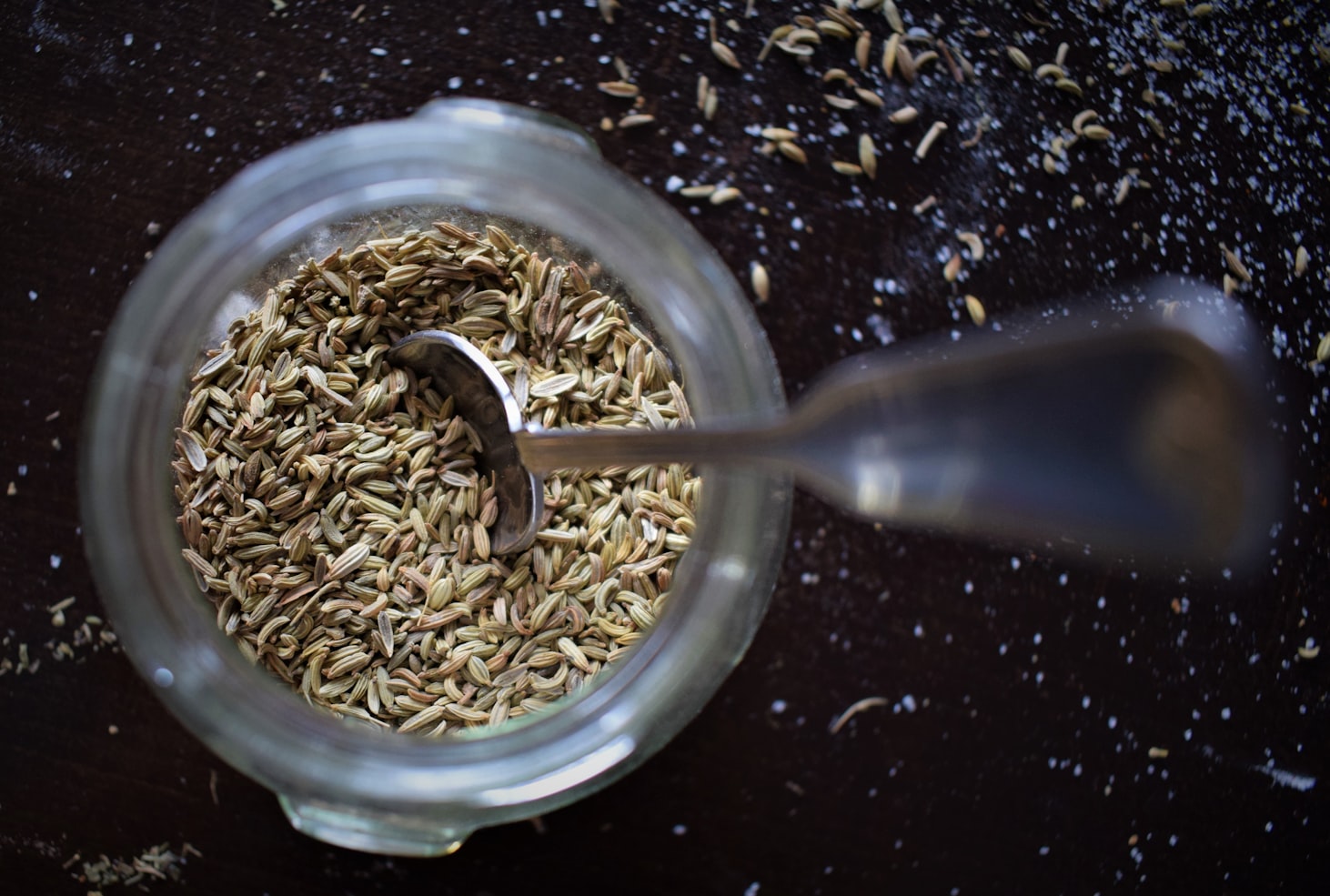
Flax seeds should always be given in small amounts and preferably ground so dogs can digest the nutrients. Whole seeds often pass through the digestive system without being fully absorbed. Because flax seeds contain fibre and natural oils, large amounts may cause loose stools or stomach upset. Introduce them slowly and observe how your dog responds.
Important: We do our best to ensure the information on this page is accurate and based on reputable animal health sources. However, this website is intended for general informational purposes only and the content has not been individually reviewed or approved by a veterinarian.
Every dog is different and reactions to foods can vary. If you have concerns about your dog’s diet or health, it is always best to speak with a qualified veterinarian.
If you believe any information on this page is incorrect or outdated, please let us know via our Contact Us page so we can review and update it.
Here are answers to some of common questions that dog owners ask about this food's safety and nutrition
Dogs should not eat flax seeds every day unless recommended by a veterinarian. While they provide omega 3 fatty acids and fibre, they are best used as an occasional supplement rather than a daily ingredient. Too much can lead to digestive upset or unnecessary calorie intake. If you plan to use flax seeds regularly it is a good idea to discuss the right amount with your vet.

Most dogs only need a very small amount of flax seeds to gain any potential benefits. For a medium sized dog about half a teaspoon of ground flax seeds mixed into food occasionally is usually enough. Larger dogs may tolerate slightly more while small dogs need much less. Keeping the portion small helps avoid digestive upset while still providing fibre and healthy fats.
If your dog eats too many flax seeds they may develop digestive upset such as diarrhoea, gas, or stomach discomfort. Because the seeds contain oils and fibre, large quantities can irritate the digestive tract. Provide fresh water and monitor your dog for symptoms. Most mild cases improve on their own within a day, but if vomiting, diarrhoea, or lethargy continues you should contact your veterinarian.
Puppies should only have flax seeds in very small amounts and only occasionally. Their digestive systems are still developing and too much fibre or oil may lead to loose stools. Puppies should receive most of their nutrition from a balanced puppy diet designed for growth. If flax seeds are offered they should be finely ground and mixed into food in tiny quantities rather than given as a standalone treat.
Small dogs need much smaller portions of any supplement because their digestive systems can be easily overwhelmed by extra fibre or oils. A tiny pinch of ground flax seeds is usually enough if you want to include them in a small dog’s diet. Giving too much may cause diarrhoea or stomach upset. Always introduce flax seeds slowly and monitor how your dog responds.
Senior dogs may benefit from the omega 3 fatty acids and fibre found in flax seeds, which can help support skin health and digestion. However older dogs can sometimes have more sensitive stomachs. Introduce flax seeds gradually and keep portions small. If your senior dog has digestive problems or a medical condition it is best to ask your veterinarian before adding supplements to their diet.
Flax seeds are nutritious but they are also calorie dense because they contain healthy fats. For overweight dogs even small additions can increase calorie intake if used frequently. If your dog needs to lose weight it is important to focus on controlled portions of their regular food first. Flax seeds can still be used occasionally in very small quantities but should not be added regularly.
