
Yes, dogs can eat ghee in small amounts. It is not toxic and is a clarified butter with minimal lactose, but it is very high in fat. Too much can upset your dog’s stomach or contribute to weight gain, so portions should be kept small.
Last updated:
March 22, 2026
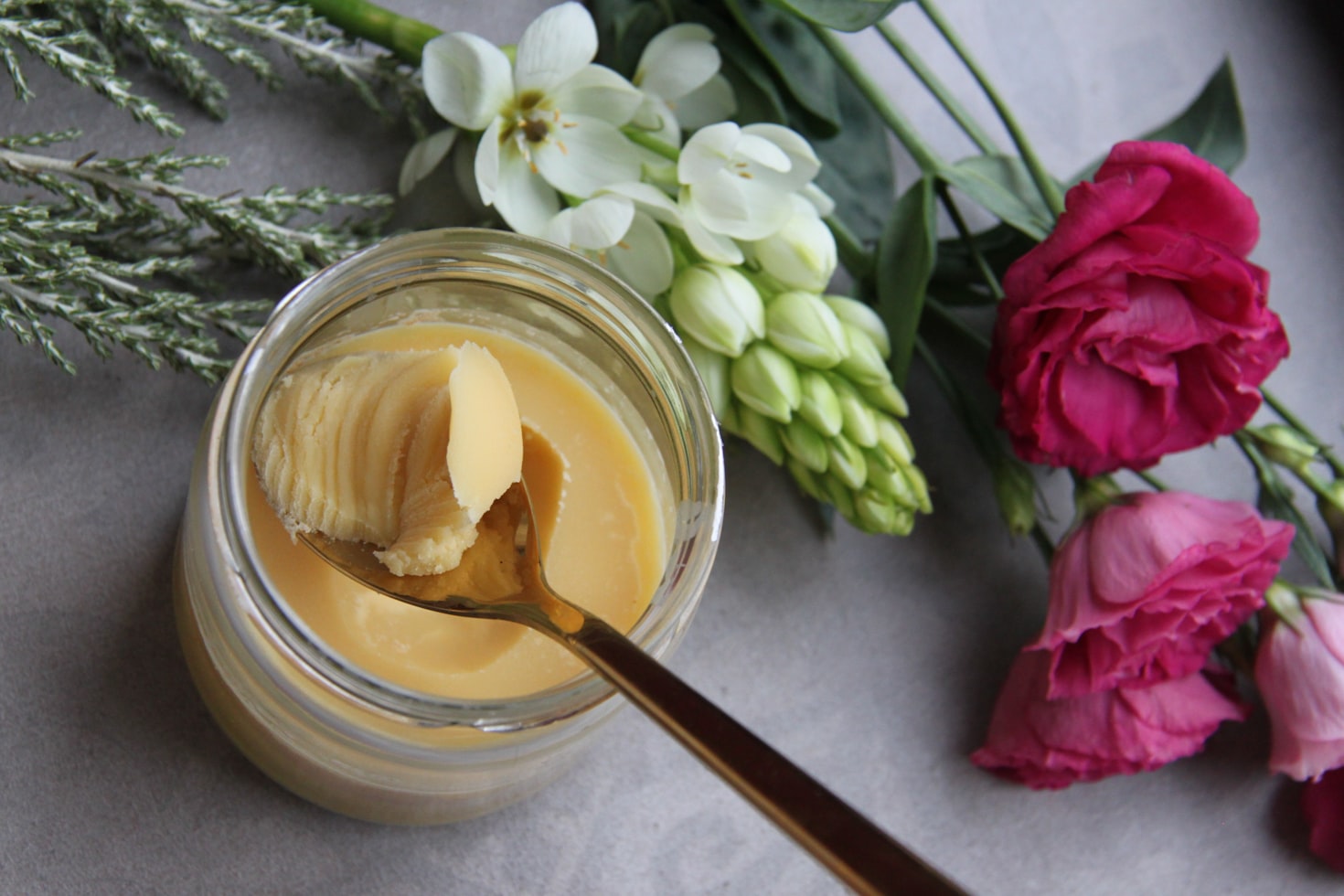
Although ghee contains very little lactose compared to butter, it is still extremely high in fat and should only be offered occasionally. Dogs with pancreatitis, obesity, or sensitive digestion should avoid it. Avoid flavoured ghee that contains garlic or onion. A small spoon added to dry food is a common use, but it should not replace a balanced diet.
Important: We do our best to ensure the information on this page is accurate and based on reputable animal health sources. However, this website is intended for general informational purposes only and the content has not been individually reviewed or approved by a veterinarian.
Every dog is different and reactions to foods can vary. If you have concerns about your dog’s diet or health, it is always best to speak with a qualified veterinarian.
If you believe any information on this page is incorrect or outdated, please let us know via our Contact Us page so we can review and update it.
Here are answers to some of common questions that dog owners ask about this food's safety and nutrition
Dogs should not eat ghee every day unless specifically advised by a vet. While it is not toxic, regular use can lead to excess calorie intake and digestive issues over time. It is better treated as an occasional addition rather than a daily supplement.

The amount of ghee a dog can eat depends on their size and tolerance to fat. Very small dogs may only need a tiny dab, while larger dogs can handle up to a teaspoon. Always start with a minimal amount and adjust based on how your dog responds.
If your dog eats too much ghee, they may experience vomiting or diarrhoea due to the high fat content. Offer plenty of water and return to their normal diet. If symptoms persist or your dog seems unwell, contact your vet, especially if they have a history of pancreatitis.
Puppies require balanced nutrition for growth, and adding high fat extras like ghee is usually unnecessary. While a tiny amount is unlikely to harm them, it can easily cause loose stools if introduced too early. Their digestive systems are still developing, so it is best to focus on complete puppy food rather than supplements unless advised by a vet.
Small dogs can be more affected by high fat foods due to their size, and even a small excess can upset their stomach. Ghee should be given sparingly and only as an occasional addition. Careful portion control is important, as calories add up quickly and can lead to weight gain over time if used too often.
Senior dogs often have slower metabolisms and may be more prone to conditions like pancreatitis or weight gain. Ghee should be used with caution, if at all, and only in small quantities. While it may help make meals more appealing, there are lower fat ways to enhance flavour that may be more suitable for older dogs.
For overweight dogs, ghee is generally not recommended due to its high calorie density. Even a small amount can significantly increase daily calorie intake. It is better to avoid adding fats and instead focus on lean, nutrient dense foods that support healthy weight management.
