
Yes, dogs can eat cooked kidney beans. They are not toxic when properly prepared, but raw or undercooked beans can be harmful. Always cook thoroughly and avoid salted canned varieties.
Last updated:
March 26, 2026
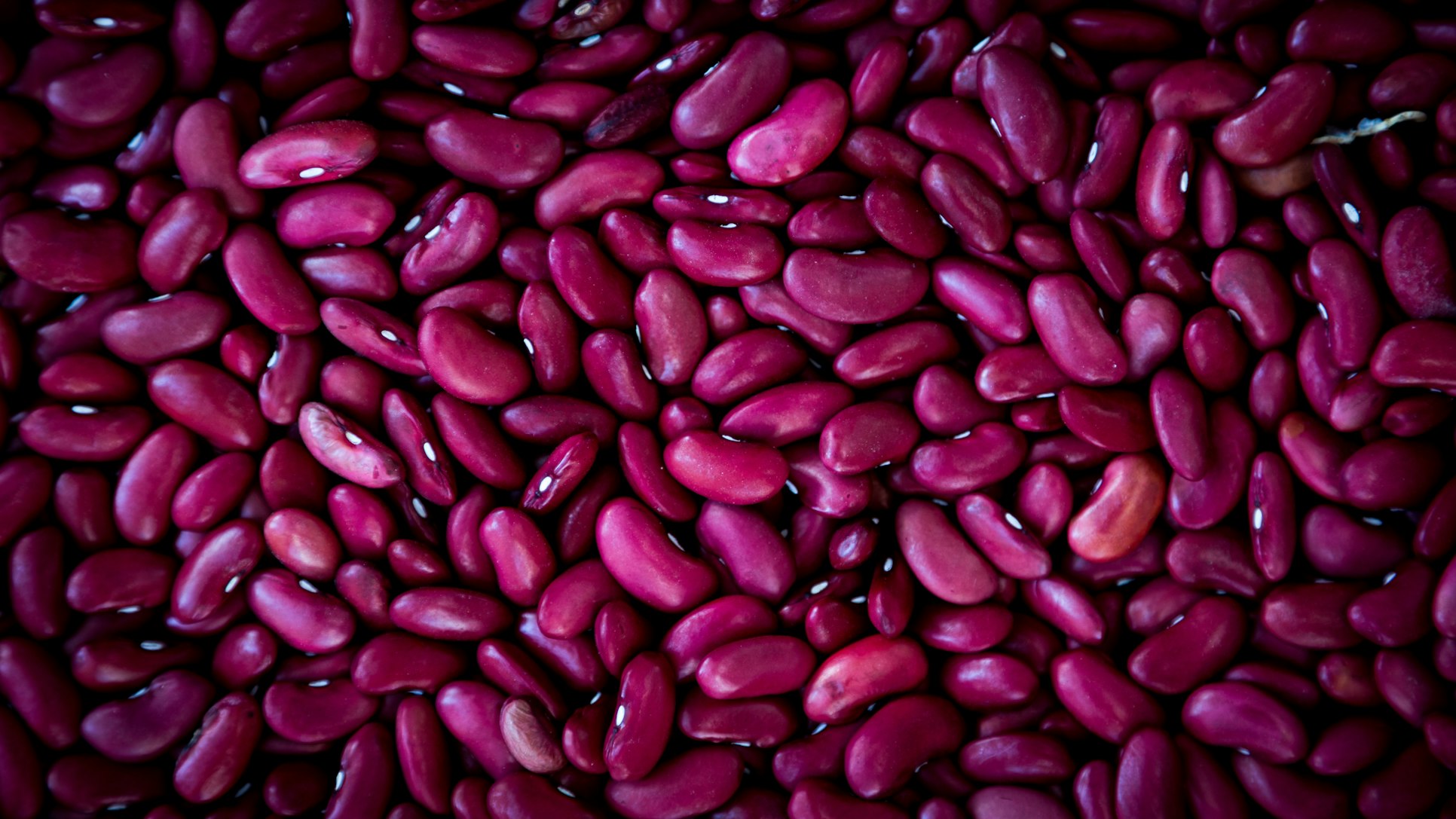
Raw kidney beans contain natural lectins which can irritate the digestive system. Always cook thoroughly until soft. Avoid adding salt, garlic, or onion when preparing. Even cooked beans can cause gas in some dogs. Introduce slowly and observe tolerance. Beans are often left over from chilli or casseroles, but these dishes usually contain spices and onions that are not suitable for dogs.
Important: We do our best to ensure the information on this page is accurate and based on reputable animal health sources. However, this website is intended for general informational purposes only and the content has not been individually reviewed or approved by a veterinarian.
Every dog is different and reactions to foods can vary. If you have concerns about your dog’s diet or health, it is always best to speak with a qualified veterinarian.
If you believe any information on this page is incorrect or outdated, please let us know via our Contact Us page so we can review and update it.
Here are answers to some of common questions that dog owners ask about this food's safety and nutrition
Dogs should not eat kidney beans every day. While cooked beans are safe, regular feeding may lead to gas and unnecessary calorie intake. Occasional small portions are acceptable, but balanced meals should remain the primary source of nutrition.

The appropriate amount depends on size. Extra small dogs may only need a teaspoon, while large dogs can tolerate one or two tablespoons. Always serve cooked and plain. Introduce gradually to avoid digestive upset from the fibre content.
If your dog eats too many kidney beans, they may experience bloating, gas, or loose stools. Offer water and avoid additional rich foods. Symptoms typically improve within a day, but contact your veterinarian if vomiting or persistent discomfort occurs, especially if the beans were undercooked.
Puppies can eat cooked kidney beans in tiny amounts, but they are not an ideal early introduction food. Their digestive systems are sensitive and legumes can cause bloating. If offering, mash thoroughly and mix with regular food. Avoid canned beans with salt. Because puppies require balanced nutrition for growth, beans should remain an occasional addition rather than a regular treat. Some puppies tolerate them well, while others develop loose stools, so gradual introduction is important.
Small dogs may experience noticeable gas after eating kidney beans, even in small quantities. Mash the beans to reduce choking risk and improve digestion. Because toy breeds have lower calorie requirements, even a spoonful may be enough. Rinsing canned beans is important to reduce sodium. Many small dogs do better with softer vegetables instead, but if tolerated, beans can provide fibre. Watch for signs of bloating, especially in dogs that eat quickly.
Senior dogs may benefit from the fibre in kidney beans, which can help maintain digestive regularity. However, legumes can also cause gas, which may be uncomfortable for older dogs. Mash thoroughly to make chewing easier and serve in small portions. If your senior dog has kidney or heart issues, keep sodium intake low by rinsing canned beans well. Some seniors prefer the texture mixed into meals rather than offered alone as a separate snack.
Kidney beans can help overweight dogs feel fuller due to their fibre content, but they also contain more calories than many vegetables. Use very small portions and avoid pairing with high calorie foods. Mixing a tablespoon into regular meals can increase bulk without dramatically increasing energy intake. Monitor digestion, as excessive fibre may cause bloating. Beans should complement a weight management plan rather than replace low calorie vegetables entirely.
