
Yes. Dogs can eat lettuce in small amounts. It is mostly water and contains small amounts of fibre and vitamins that can support digestion. Lettuce should be fed plain and in small portions because large quantities may cause stomach upset or loose stools.
Last updated:
March 19, 2026
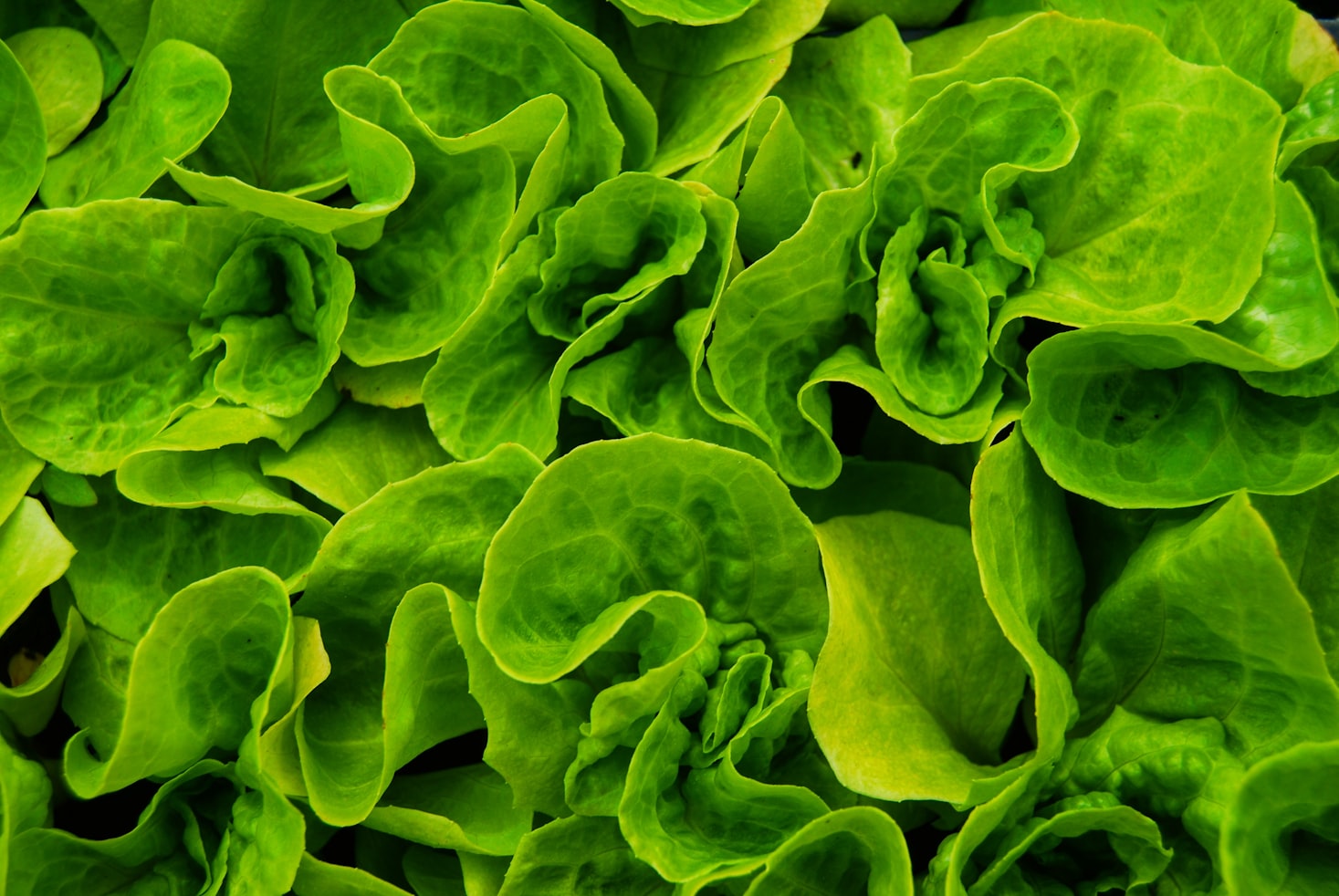
Lettuce should always be served plain without salad dressing, oils, salt or seasoning because these ingredients can be harmful to dogs. Wash leaves well before serving to remove any dirt or chemical residue. Cut lettuce into small pieces so it is easier to chew and swallow. Although lettuce is safe it should only be offered occasionally since dogs obtain most of their nutrition from balanced dog food.
Important: We do our best to ensure the information on this page is accurate and based on reputable animal health sources. However, this website is intended for general informational purposes only and the content has not been individually reviewed or approved by a veterinarian.
Every dog is different and reactions to foods can vary. If you have concerns about your dog’s diet or health, it is always best to speak with a qualified veterinarian.
If you believe any information on this page is incorrect or outdated, please let us know via our Contact Us page so we can review and update it.
Here are answers to some of common questions that dog owners ask about this food's safety and nutrition
Dogs can eat lettuce but it should not be offered every day in large amounts. While lettuce is safe it does not provide significant nutrition for dogs and is mostly water. Offering small portions occasionally as a treat alongside a balanced dog diet is usually the best approach.

The amount of lettuce a dog can eat depends on their size. Small dogs may only need a tablespoon of finely chopped lettuce while larger dogs can eat a few tablespoons occasionally. Lettuce should always be cut into small pieces and served plain so it is easy to chew and digest.
If your dog eats too much lettuce they may develop loose stools or mild stomach upset because of the high water and fibre content. These symptoms usually pass once the food moves through the digestive system. Ensure your dog has access to fresh water and monitor them for ongoing diarrhoea or vomiting. If symptoms continue contact your veterinarian.
Puppies can eat small amounts of lettuce once they are comfortable eating solid foods but it should not be a regular snack. Because lettuce is mostly water and fibre it offers limited nutrition for growing puppies. Finely chopped lettuce is easier for puppies to chew and swallow. Introduce it slowly and monitor your puppy for loose stools since their digestive systems are still developing.
Small dogs can eat lettuce but portions should remain small because their digestive systems handle less fibre at once. Finely chopped leaves reduce the risk of choking and make the vegetable easier to digest. A tablespoon or less of plain lettuce occasionally is usually enough for most small dogs. Feeding too much lettuce may lead to loose stools due to the water content.
Senior dogs can enjoy small amounts of lettuce as a light snack. Because it is soft and mostly water it is easy for many older dogs to chew and swallow. However lettuce does not provide significant calories or protein so it should only be offered occasionally alongside a balanced senior dog diet. Cutting the leaves into small pieces can make it easier for older dogs to eat.
Lettuce can be a useful snack for overweight dogs because it is extremely low in calories and mostly made of water. Small portions may help dogs feel like they are getting a treat without adding many calories to their diet. Even though it is light it should still be fed in moderation because too much lettuce may cause loose stools.
