
Yes, dogs can eat split peas when cooked plain. They are not toxic and provide fibre and plant protein. Avoid salted soups or seasoned split peas as added ingredients like onion and garlic can be harmful.
Last updated:
March 26, 2026
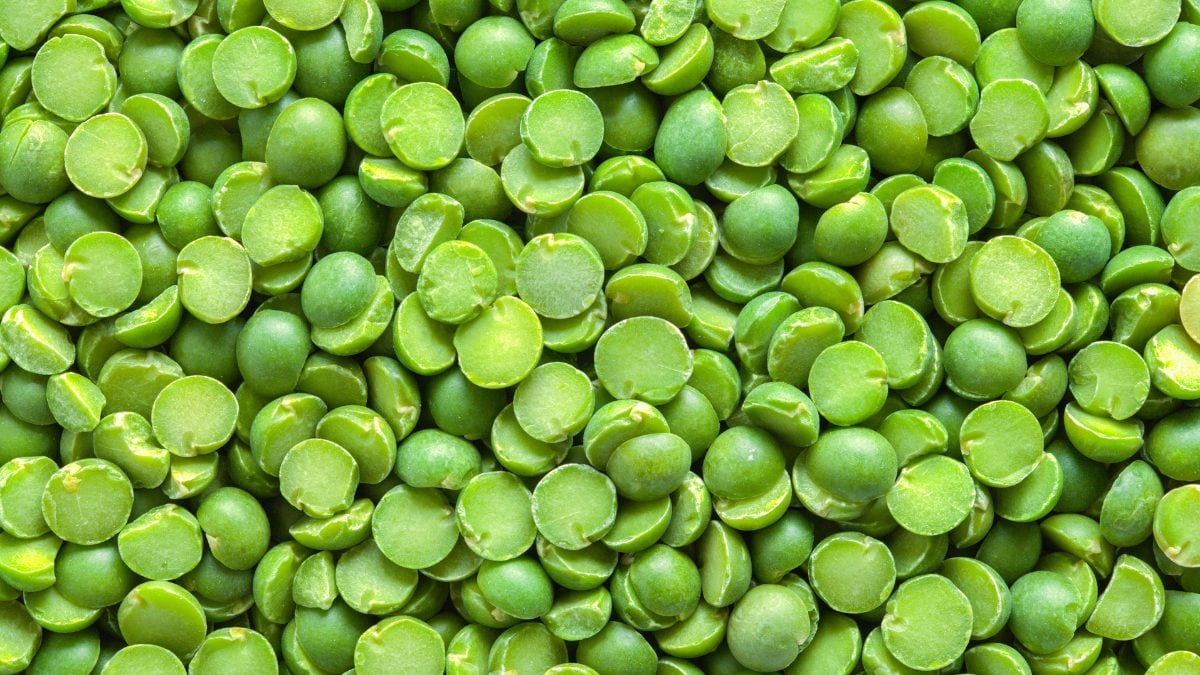
Split peas must be thoroughly cooked before feeding as raw or firm peas are difficult to digest. Avoid packaged split pea soups which often contain onion, garlic, or high sodium stock. Introduce gradually to prevent gas. Some dogs tolerate yellow split peas better than green varieties, especially when mashed. Homemade plain split pea mash can be mixed with rice or vegetables for variety but should remain a minor addition to a balanced diet.
Important: We do our best to ensure the information on this page is accurate and based on reputable animal health sources. However, this website is intended for general informational purposes only and the content has not been individually reviewed or approved by a veterinarian.
Every dog is different and reactions to foods can vary. If you have concerns about your dog’s diet or health, it is always best to speak with a qualified veterinarian.
If you believe any information on this page is incorrect or outdated, please let us know via our Contact Us page so we can review and update it.
Here are answers to some of common questions that dog owners ask about this food's safety and nutrition
Dogs should not eat split peas every day. While they are safe when cooked plain, frequent feeding may lead to digestive upset due to their fibre content. Offering small portions occasionally alongside a balanced diet is usually the safest approach.

The amount depends on your dog’s size and tolerance. Extra small dogs may only need a teaspoon, while large dogs can have one or two tablespoons. Always introduce gradually and adjust portions if you notice gas or loose stools.
If your dog eats too many split peas, they may develop bloating, gas, or soft stools. Provide fresh water and avoid giving additional fibre rich foods for the rest of the day. If symptoms persist or your dog seems uncomfortable, contact your veterinarian for advice.
Puppies can have small amounts of well cooked split peas once they are established on a complete puppy diet. Because their digestive systems are still adjusting, the fibre content may cause loose stools if introduced too quickly. Mash thoroughly and mix into their usual food. Avoid any seasoning or salt. Start with tiny portions and increase slowly. Split peas should never replace balanced puppy nutrition but can be used occasionally to add variety when tolerated.
Small dogs require careful portion control with split peas. Their smaller digestive systems may react more noticeably to fibre rich foods. Even a teaspoon too much can lead to bloating. Mash the peas well to reduce choking risk and improve digestion. Because small breeds have limited calorie allowances, split peas should remain a small addition rather than a regular ingredient. Some small dogs accept the smoother texture when mixed into soft food instead of served separately.
Senior dogs may benefit from the fibre in split peas which can support digestive regularity. However, older dogs sometimes experience increased gas, so portions should be modest. Ensure the peas are very soft and easy to chew, particularly for dogs with dental issues. Mixing mashed split peas into meals can add variety without increasing fat intake. If your senior dog has a sensitive stomach, introduce slowly and watch how they respond before offering again.
Split peas can be suitable for overweight dogs in small amounts because they are low in fat and contain fibre that may promote fullness. Despite this, they still contribute calories and should not be overused. Mixing a tablespoon into regular meals may help increase satiety. Pairing split peas with low calorie vegetables may be more effective than feeding them alone. Too much fibre may cause bloating, especially for dogs already on controlled diets.
