
No, dogs should not consume vanilla extract. It contains a high percentage of alcohol which is toxic to dogs even in small amounts. Even a small spill from baking can pose a risk, so it should always be kept out of reach.
Last updated:
March 22, 2026
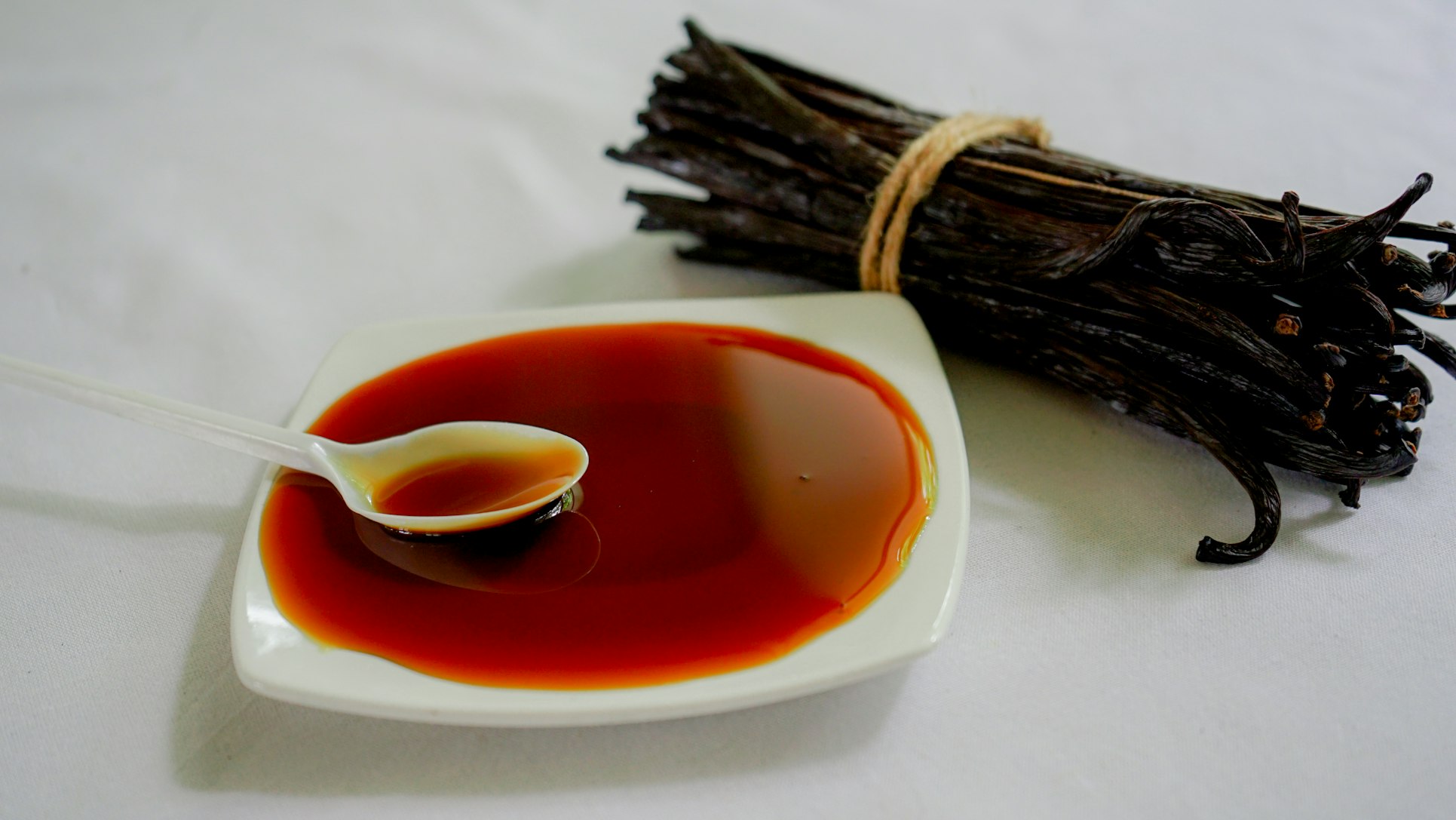
Vanilla extract typically contains around 35 percent alcohol which is enough to cause toxicity in dogs. Even small quantities can be dangerous depending on the dog’s size. Products labelled as imitation vanilla may still contain alcohol or other additives that are not suitable for dogs. Always keep baking ingredients out of reach, especially when cooking or preparing desserts.
Important: We do our best to ensure the information on this page is accurate and based on reputable animal health sources. However, this website is intended for general informational purposes only and the content has not been individually reviewed or approved by a veterinarian.
Every dog is different and reactions to foods can vary. If you have concerns about your dog’s diet or health, it is always best to speak with a qualified veterinarian.
If you believe any information on this page is incorrect or outdated, please let us know via our Contact Us page so we can review and update it.
Here are answers to some of common questions that dog owners ask about this food's safety and nutrition
No, dogs should not eat vanilla extract every day or at all. It is toxic due to its alcohol content and can cause serious health issues even in small amounts. Regular exposure increases the risk of harmful effects and should be avoided entirely by keeping it out of your dog’s diet.

Dogs should not consume any amount of vanilla extract. Even small quantities can be harmful, particularly for smaller dogs. There is no safe serving size, so the best approach is complete avoidance and careful storage to prevent accidental ingestion.
If your dog consumes vanilla extract, contact your vet as soon as possible for advice. Watch for symptoms such as vomiting, unsteadiness, or unusual behaviour. Do not wait for symptoms to worsen, as alcohol toxicity can progress quickly. Early intervention can make a significant difference in recovery.
Puppies are especially vulnerable to alcohol toxicity due to their small size and developing organs. Even a tiny amount of vanilla extract can have a stronger effect compared to adult dogs. Accidental ingestion should be treated as urgent, and veterinary advice should be sought immediately. Keep all baking ingredients stored safely and never allow puppies near preparation areas where spills may occur.
Small dogs are at higher risk from vanilla extract because even a small quantity can result in a relatively high dose of alcohol. Symptoms can appear quickly and may be more severe than in larger dogs. Care should be taken to store bottles securely and wipe up any drips or spills straight away. If ingestion is suspected, prompt veterinary guidance is important to reduce the risk of complications.
Senior dogs may have reduced liver function, which can make processing alcohol more difficult. This increases the risk of more pronounced or longer lasting symptoms if vanilla extract is consumed. Even minor exposure should be taken seriously. Keeping kitchens and baking areas secure is important, as older dogs may be slower to recover from toxic exposure compared to younger, healthy adults.
Vanilla extract has no place in the diet of an overweight dog and should be completely avoided. Aside from the alcohol risk, it provides no nutritional value and can lead to serious health issues. If your dog is prone to scavenging, extra care should be taken to keep sweet ingredients and flavourings out of reach. Focus on safe, low calorie treats instead.
Vanilla extract is toxic to dogs because of its high alcohol content. Dogs process alcohol very differently from humans, and even small amounts can quickly enter the bloodstream and affect the central nervous system. This can lead to symptoms ranging from mild stomach upset to serious neurological issues. The concentrated nature of vanilla extract makes it more dangerous than foods that contain only trace amounts of alcohol.
