
No, dogs should not eat wild mushrooms. Many wild mushroom species contain toxins that can cause severe illness or even death in dogs. Important warning: it is often impossible to safely identify toxic mushrooms, so dogs should never be allowed to eat mushrooms found outdoors.
Last updated:
March 15, 2026
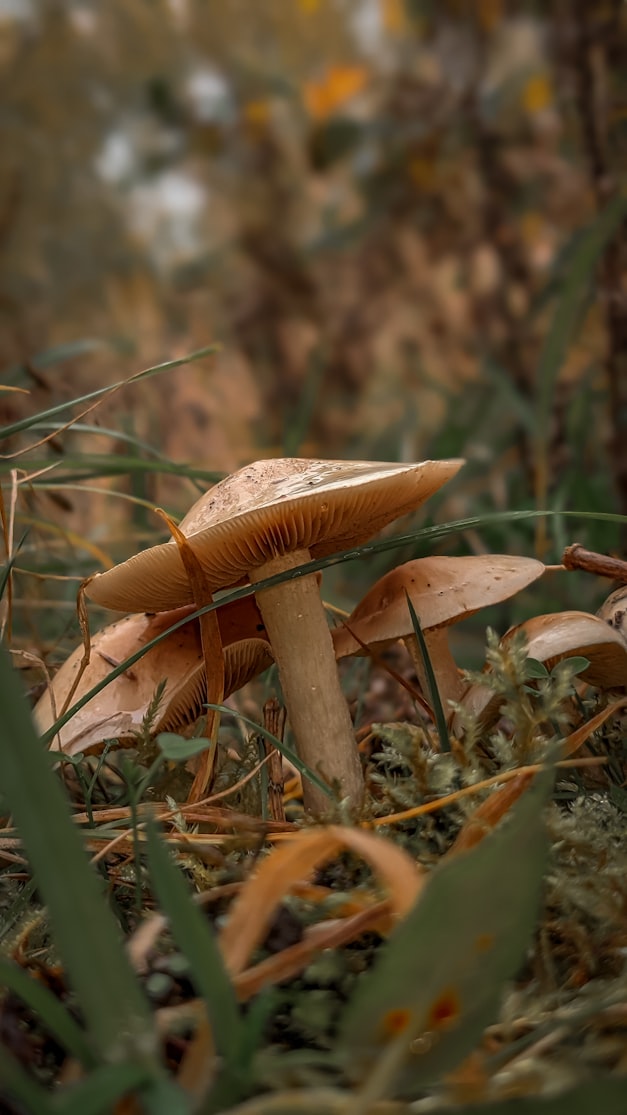
Wild mushrooms should always be considered dangerous for dogs because many species contain powerful toxins. These toxins can affect different organs including the liver, kidneys, and nervous system. Some poisonous mushrooms may look very similar to harmless varieties which makes identification difficult for most people. Because of this risk veterinarians advise treating all wild mushrooms as potentially toxic and preventing dogs from eating them.
Important: We do our best to ensure the information on this page is accurate and based on reputable animal health sources. However, this website is intended for general informational purposes only and the content has not been individually reviewed or approved by a veterinarian.
Every dog is different and reactions to foods can vary. If you have concerns about your dog’s diet or health, it is always best to speak with a qualified veterinarian.
If you believe any information on this page is incorrect or outdated, please let us know via our Contact Us page so we can review and update it.
Here are answers to some of common questions that dog owners ask about this food's safety and nutrition
Dogs should never eat wild mushrooms every day or even occasionally. Many species contain toxins that can damage the liver, kidneys, or nervous system. Because it is very difficult to safely identify mushrooms in the wild veterinarians recommend assuming that all wild mushrooms are dangerous to dogs. Preventing access is the safest approach and dogs should be supervised when outdoors.

Dogs should not eat any amount of wild mushrooms. The level of toxicity varies widely depending on the species and even small quantities can cause serious illness. Because most people cannot reliably identify toxic mushrooms the safest approach is to treat all wild mushrooms as unsafe. If mushrooms are found in your yard they should be removed so dogs cannot eat them.
If your dog eats a wild mushroom contact a veterinarian or emergency animal poison helpline immediately. Try to remove any remaining pieces from your dog's mouth if it is safe to do so and keep a sample of the mushroom if possible for identification. Watch for symptoms such as vomiting, drooling, tremors, or weakness. Prompt veterinary treatment is very important because some mushroom toxins can cause rapid organ damage.
Puppies are especially at risk from wild mushrooms because they explore the environment with their mouths and may chew unfamiliar plants while playing. Their smaller body size means toxins can affect them more quickly and severely. Even a small piece of a poisonous mushroom can lead to serious illness. Puppy owners should carefully check gardens and outdoor areas for mushrooms and remove them promptly to reduce the risk of accidental ingestion.
Small dogs are more vulnerable to mushroom poisoning because a small amount of toxin can represent a larger dose relative to their body weight. This increases the risk of serious symptoms such as vomiting, tremors, or organ damage. Small breeds are also closer to the ground and may easily pick up mushrooms while exploring outside. Owners should regularly inspect yards and keep small dogs supervised in areas where mushrooms may grow.
Senior dogs may be more sensitive to toxins due to age related changes in organ function. If an older dog eats a poisonous mushroom the liver and kidneys may have more difficulty processing and eliminating toxins. This can lead to more severe complications. Senior dogs should be closely supervised in gardens or parks and mushrooms should be removed quickly from any areas where they may grow.
Wild mushrooms pose a poisoning risk regardless of a dog's weight. For overweight dogs the concern is not calories but the potential for serious toxin exposure. Eating even a small mushroom can cause illness depending on the species. Owners should prevent access to mushrooms entirely rather than viewing them as food. Safe weight management for dogs should rely on balanced meals and controlled portions rather than outdoor foods.
Wild mushrooms can contain several types of toxins depending on the species. Some produce compounds that damage the liver while others affect the nervous system or digestive tract. Dogs that ingest toxic mushrooms may develop symptoms within a few hours or sometimes later depending on the toxin involved. Because it is difficult to distinguish safe from dangerous mushrooms without expert knowledge veterinarians recommend treating all wild mushrooms as toxic to dogs.
