
Yes. Dogs can eat zucchini in small amounts. It is a low calorie vegetable that provides fibre and vitamins that may support digestion and general health. Zucchini should always be served plain and in moderation because large amounts may cause stomach upset.
Last updated:
March 20, 2026
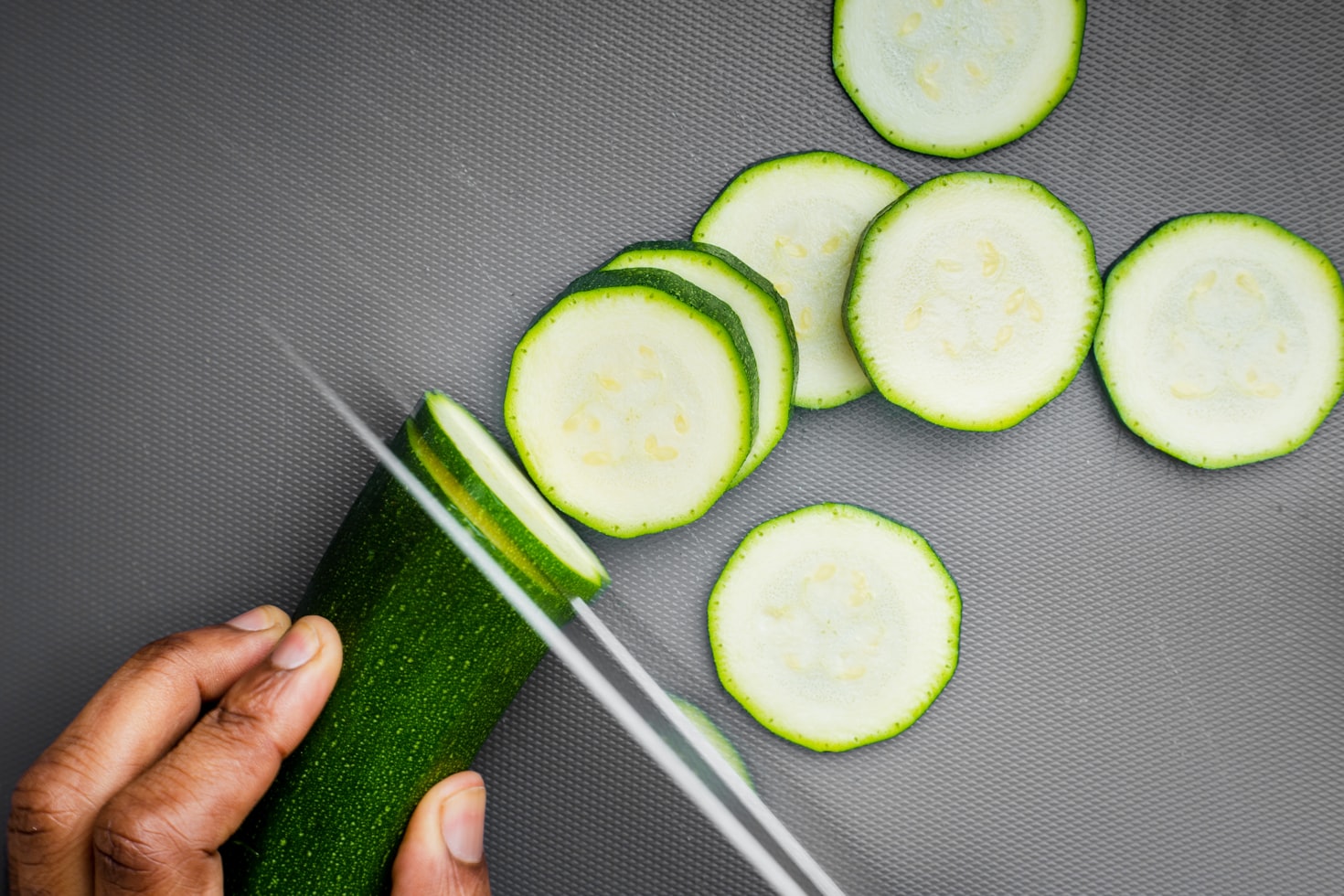
Zucchini should always be served plain without added salt, butter, garlic or onion because these ingredients can be harmful to dogs. Large amounts may cause digestive upset because of the fibre content. Always cut zucchini into small pieces to reduce the risk of choking especially for small dogs. Treats like vegetables should only make up a small portion of a dog’s overall diet.
Important: We do our best to ensure the information on this page is accurate and based on reputable animal health sources. However, this website is intended for general informational purposes only and the content has not been individually reviewed or approved by a veterinarian.
Every dog is different and reactions to foods can vary. If you have concerns about your dog’s diet or health, it is always best to speak with a qualified veterinarian.
If you believe any information on this page is incorrect or outdated, please let us know via our Contact Us page so we can review and update it.
Here are answers to some of common questions that dog owners ask about this food's safety and nutrition
Dogs can eat zucchini but it is not necessary to feed it every day. While it is safe and low in calories it should be treated as an occasional addition to a balanced dog diet rather than a daily food. Too much zucchini may lead to digestive upset because of the fibre content so small portions from time to time are usually best.

The amount of zucchini a dog can eat depends on their size and tolerance for fibre. Small dogs may only need a tablespoon of chopped zucchini while larger dogs can safely eat a few tablespoons as an occasional snack. It is always a good idea to introduce a new food gradually and watch for any signs of stomach upset.
If your dog eats too much zucchini they may experience mild digestive symptoms such as gas, bloating or loose stools. In most cases these symptoms pass once the food moves through their system. Provide fresh water and monitor your dog for vomiting or ongoing diarrhoea. If symptoms are severe or last longer than a day it is best to contact your veterinarian.
Puppies can eat small amounts of zucchini once they are eating solid food and tolerating a variety of foods. Because puppies have sensitive digestive systems it is best to introduce zucchini slowly and offer very small pieces at first. Lightly steamed zucchini is often easier for puppies to chew and digest than raw pieces. It should be treated as an occasional snack rather than a regular part of their meals while most of their nutrition comes from balanced puppy food.
Small dogs can enjoy zucchini as an occasional treat but the pieces should be very small to prevent choking. Because small dogs have less digestive capacity they may experience gas or loose stools if they eat too much fibre at once. Finely chopped or lightly steamed zucchini is usually easier for them to digest. Offering small portions occasionally is the safest approach.
Senior dogs may benefit from zucchini because it is soft, hydrating and low in calories. Older dogs sometimes have dental issues so lightly steamed zucchini cut into small pieces can make chewing easier. The fibre may help support digestive health but too much could cause gas or loose stools. Offering small portions occasionally works best for most senior dogs.
Zucchini can be a helpful snack for overweight dogs because it is very low in calories and contains fibre that may help dogs feel full after eating. Replacing higher calorie treats with small portions of zucchini can support weight management while still providing nutrients. Even though it is low in calories it should still be fed in moderation to avoid digestive upset.
