
Yes, dogs can eat artichoke when it is plain and properly prepared. It provides fibre and nutrients but can be hard to digest if not cooked well. Avoid seasoned or marinated versions as added ingredients can be harmful.
Last updated:
March 19, 2026
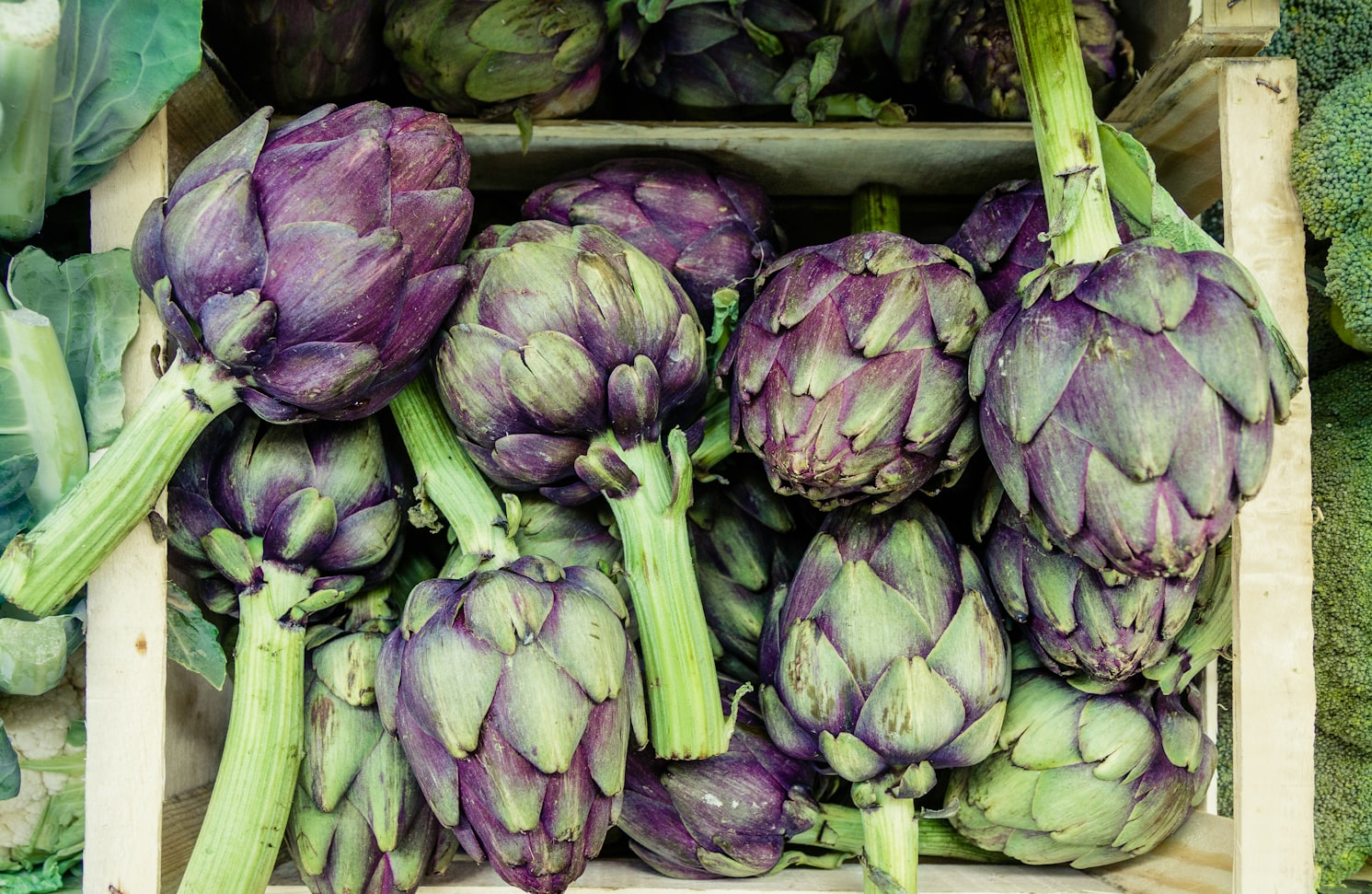
Only the soft inner parts of the artichoke should be fed as the outer leaves and choke can be difficult to digest and may pose a choking hazard. Avoid jarred or marinated artichokes as they often contain garlic, onion, salt or oil which are not suitable for dogs. Introduce slowly to check tolerance. A simple steamed artichoke heart from a home cooked meal can be shared in small amounts, but it should not replace balanced nutrition.
Important: We do our best to ensure the information on this page is accurate and based on reputable animal health sources. However, this website is intended for general informational purposes only and the content has not been individually reviewed or approved by a veterinarian.
Every dog is different and reactions to foods can vary. If you have concerns about your dog’s diet or health, it is always best to speak with a qualified veterinarian.
If you believe any information on this page is incorrect or outdated, please let us know via our Contact Us page so we can review and update it.
Here are answers to some of common questions that dog owners ask about this food's safety and nutrition
Dogs can eat artichoke every day in theory, but it is not ideal as a daily food. Its fibrous nature can be hard on digestion if given too often, especially for dogs not used to it. Offering it occasionally as part of a varied diet is a better approach to avoid stomach upset while still gaining some nutritional benefit.

The amount depends on your dog’s size, but artichoke should only make up a small portion of their meal. Start with a teaspoon or tablespoon and see how your dog handles it before increasing slightly. Keeping servings well under 10 percent of their total food intake helps prevent digestive issues while still adding variety.
If your dog eats too much artichoke, they may experience bloating, gas or loose stools due to the high fibre content. Offer water and return to their usual diet while keeping an eye on their behaviour. If symptoms persist or your dog seems uncomfortable, contacting your vet is the safest next step for guidance.
Puppies can try small amounts of artichoke once they are eating a stable diet, but it needs to be very soft and finely chopped to prevent choking or digestive upset. Their developing systems are sensitive to fibre changes, so portions should stay minimal. While it contains useful nutrients, it should only be an occasional addition and not a regular part of their meals to avoid disrupting their nutritional balance.
Small dogs may struggle with fibrous vegetables like artichoke if pieces are not prepared properly. Always ensure it is fully cooked and cut into very small, manageable portions. Even a small overfeed can lead to bloating or loose stools in smaller breeds. Keeping servings modest and spaced out helps reduce any digestive strain while still allowing some variety in their diet.
Senior dogs can benefit from the fibre and antioxidants in artichoke, particularly for digestive support, but preparation is key. It must be soft and easy to chew to avoid any issues with dental health or swallowing. For older dogs with sensitive stomachs, introduce it slowly and keep portions light. If there is any history of digestive problems, it may be best to skip fibrous vegetables like this.
Artichoke can be a useful addition for overweight dogs due to its fibre content and moderate calorie level, which can help them feel fuller without adding excess energy. It should be served plain and in small portions alongside a calorie controlled diet. Overfeeding can still add unnecessary calories and cause digestive upset, so it works best as a small topper rather than a main component.
