
Yes. Dogs can eat plain roast chicken in small amounts. It provides protein but seasoning, skin, and bones can create health risks. Always remove bones and avoid salty or seasoned portions.
Last updated:
March 31, 2026
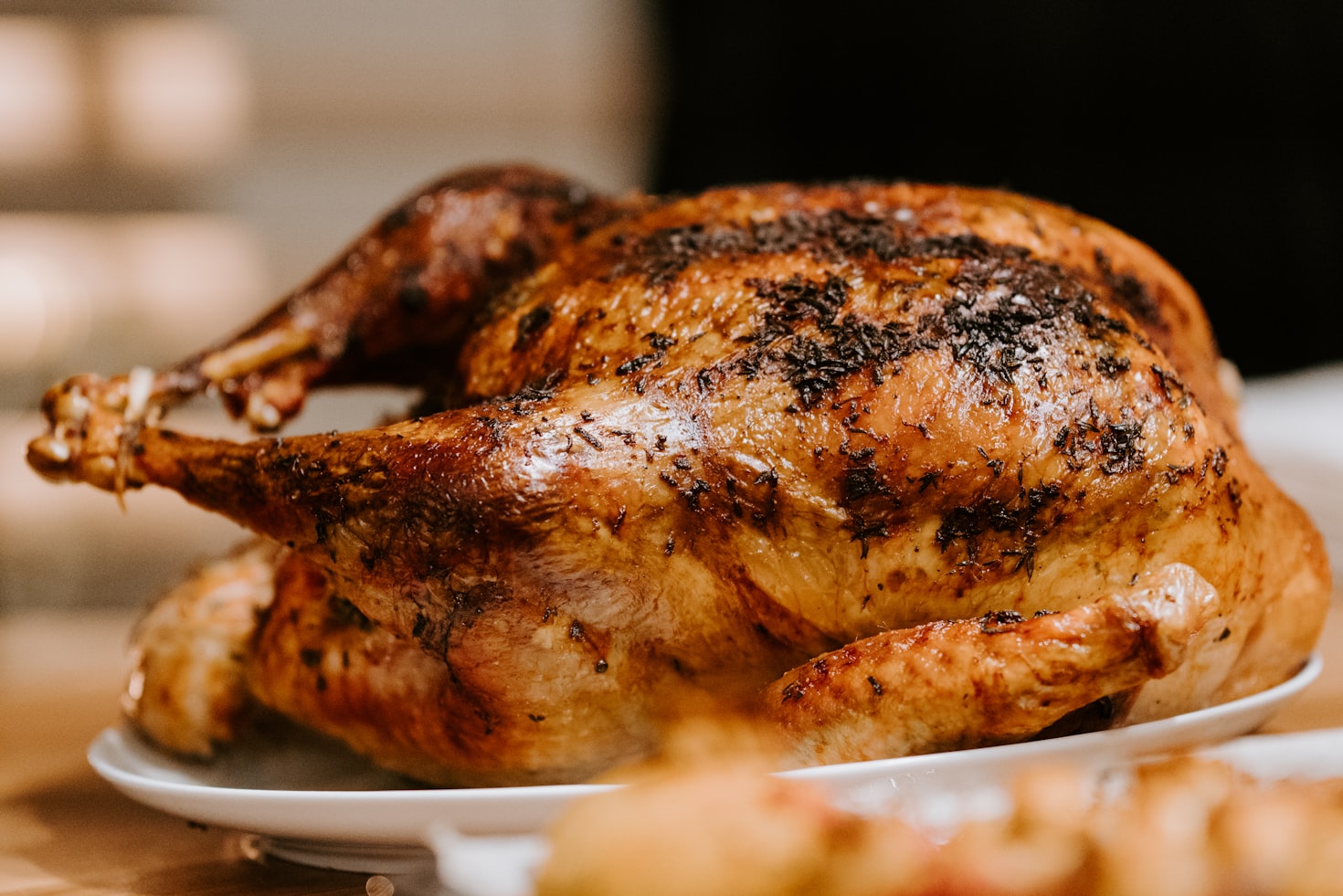
Never feed cooked chicken bones as they can splinter easily. Remove skin to reduce fat intake. Avoid stuffing, gravy, or seasoned outer layers which often contain onion or garlic. Check that no toothpicks or cooking string remain. Store leftovers in the fridge and discard if left at room temperature for extended periods. Roast chicken from takeaway shops is usually saltier than home cooked versions. Many dogs get roast or rotisserie chicken as a Sunday treat, but the fatty skin is the part to skip. Other safe chicken variations that can be offered include raw chicken, chicken liver, plain chicken and chicken mince.
Important: We do our best to ensure the information on this page is accurate and based on reputable animal health sources. However, this website is intended for general informational purposes only and the content has not been individually reviewed or approved by a veterinarian.
Every dog is different and reactions to foods can vary. If you have concerns about your dog’s diet or health, it is always best to speak with a qualified veterinarian.
If you believe any information on this page is incorrect or outdated, please let us know via our Contact Us page so we can review and update it.
Here are answers to some of common questions that dog owners ask about this food's safety and nutrition
Dogs can eat roast chicken every day only if it is plain, boneless, and part of a balanced diet. Feeding it as the main food is not ideal because it lacks key nutrients such as calcium and fibre. Small daily amounts mixed with complete dog food are generally acceptable. Variety is still helpful, and rotating proteins can reduce the chance of developing sensitivities over time.

The amount of roast chicken a dog can eat depends on size, activity level, and whether it replaces part of their usual food. As a guideline, treats like roast chicken should stay under ten percent of daily calories. Start with a teaspoon for very small dogs and a few tablespoons for larger breeds. If weight gain occurs or stools soften, reduce the portion and feed less frequently.
If your dog eats too much roast chicken, especially with skin, they may develop vomiting or diarrhoea. Provide water and return to their normal diet at the next meal. Watch for signs of abdominal pain, particularly in dogs prone to pancreatitis. Seek veterinary advice if symptoms persist or if bones were consumed. Most mild overeating cases resolve within a day once rich foods are stopped.
Puppies can eat small amounts of plain roast chicken once they are established on a complete puppy diet. The meat should be finely shredded and free from bones or skin. Because puppies have sensitive digestion, introduce slowly and keep portions small. Roast chicken can be useful during training or when transitioning foods, but it should not replace balanced puppy nutrition. Excess fat may cause loose stools, so always remove skin before offering.
Small dogs often love roast chicken because it is soft and aromatic, but their calorie needs are low. Even a few extra bites can add up quickly. Offer tiny shredded pieces mixed into their usual meal rather than feeding separately. Carefully inspect for small bones which pose a greater choking risk in little breeds. Choosing breast meat instead of darker fatty portions helps keep the treat lighter and easier to digest.
Senior dogs may benefit from roast chicken as it is gentle on aging teeth and usually well accepted by dogs with reduced appetite. Lean portions can support muscle maintenance without being overly heavy. However, older dogs often have slower metabolism, so portions should stay modest. Avoid fatty skin which can aggravate digestive issues. Mixing warm shredded chicken into their meal can encourage eating, especially in cooler months.
For overweight dogs, roast chicken should be limited and prepared carefully. Remove all skin and visible fat, and use breast meat where possible. Small amounts can improve palatability of lower calorie diets without adding too many extra calories. Avoid serving alongside gravy or stuffing. Some owners stretch a small portion by mixing it with steamed vegetables, which keeps the bowl satisfying while controlling energy intake.
