
Yes, dogs can eat baby carrots. They are not toxic and provide fibre and vitamin A. Cut them into appropriate sizes to reduce choking risk, especially for small dogs.
Last updated:
March 27, 2026
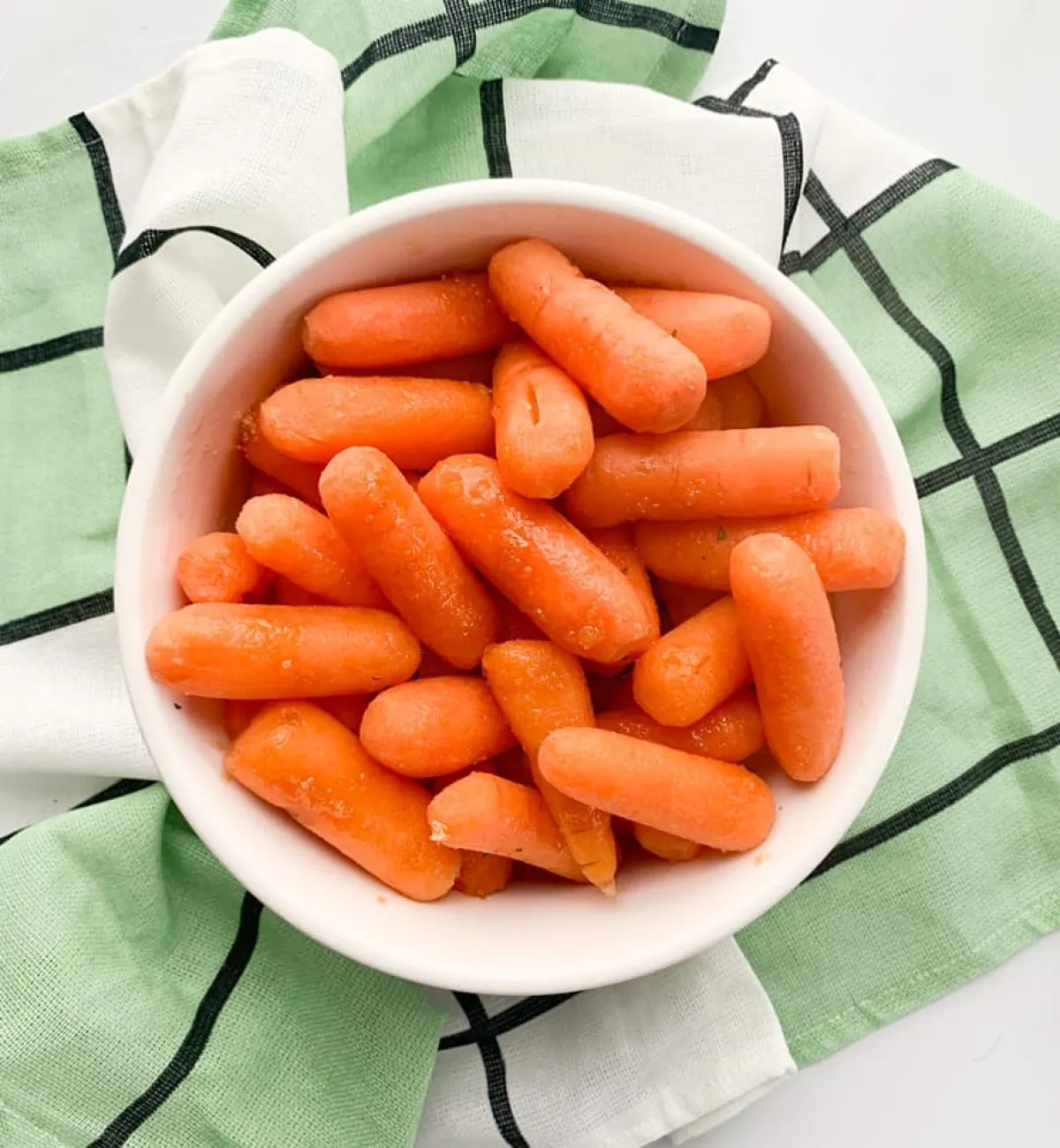
Baby carrots are generally safe but their small cylindrical shape can encourage gulping. Cutting them lengthwise reduces the chance of choking. Some dogs digest cooked carrots more easily, especially seniors. Avoid packaged carrots with added flavouring or preservatives. Raw frozen baby carrots can also be offered as a cooling treat in warmer weather, which many dogs enjoy during summer afternoons. Note that purple carrots have a slight nutritional edge due to higher levels of antioxidants.
Important: We do our best to ensure the information on this page is accurate and based on reputable animal health sources. However, this website is intended for general informational purposes only and the content has not been individually reviewed or approved by a veterinarian.
Every dog is different and reactions to foods can vary. If you have concerns about your dog’s diet or health, it is always best to speak with a qualified veterinarian.
If you believe any information on this page is incorrect or outdated, please let us know via our Contact Us page so we can review and update it.
Here are answers to some of common questions that dog owners ask about this food's safety and nutrition
Dogs can eat baby carrots daily in small amounts. They are low in calories and provide fibre and nutrients. However, they should complement a balanced diet rather than replace regular meals, and portion size should still be controlled.

The right amount depends on your dog’s size. Small dogs may only need one carrot, while larger dogs can have several. Always cut into appropriate sizes and consider total daily treats to keep portions balanced.
If your dog eats too many baby carrots, they may experience mild digestive upset such as gas or loose stools. Reduce portion size at the next serving and provide water. Symptoms usually settle quickly, but contact your vet if discomfort continues.
Puppies can enjoy baby carrots once they are comfortable chewing solid foods. Start with very small softened pieces to prevent choking. Raw carrots can be quite firm for young teeth, so lightly steaming may be helpful initially. Because puppies have smaller stomachs, too many carrots may cause mild digestive upset. Offering a few small pieces as a training reward works well. Always supervise chewing, as enthusiastic puppies may try to swallow pieces whole.
Small dogs benefit from baby carrots as a low calorie snack, but they must be cut into manageable pieces. Whole baby carrots can be difficult for tiny mouths to chew safely. Slicing lengthwise or dicing into small cubes helps reduce choking risk. Because small dogs have lower calorie needs, even healthy snacks should remain limited. Mixing chopped carrot pieces with regular kibble can slow eating and add variety without significantly increasing calorie intake.
Senior dogs may prefer softened baby carrots if dental wear makes hard foods uncomfortable. Steaming briefly can make them easier to chew while still providing fibre. Carrots may help support digestive regularity, which some older dogs benefit from. Introduce gradually to avoid gas. For seniors with reduced appetite, mixing finely chopped carrot into meals can add texture without making food overly rich. Always ensure pieces are small enough for comfortable chewing.
Baby carrots are a helpful snack for overweight dogs due to their low calorie content and satisfying crunch. They can replace higher fat treats while still giving dogs something to chew. Offer small portions and avoid pairing with calorie dense dips or oils. Some owners use chopped baby carrots as training rewards during walks. Their natural sweetness can make them appealing without adding significant calories, which supports gradual weight management.
