
Yes, dogs can eat basil seeds in small amounts. They are not toxic but must be prepared properly to avoid choking or digestive issues. Always soak them before feeding and only give small portions.
Last updated:
March 18, 2026
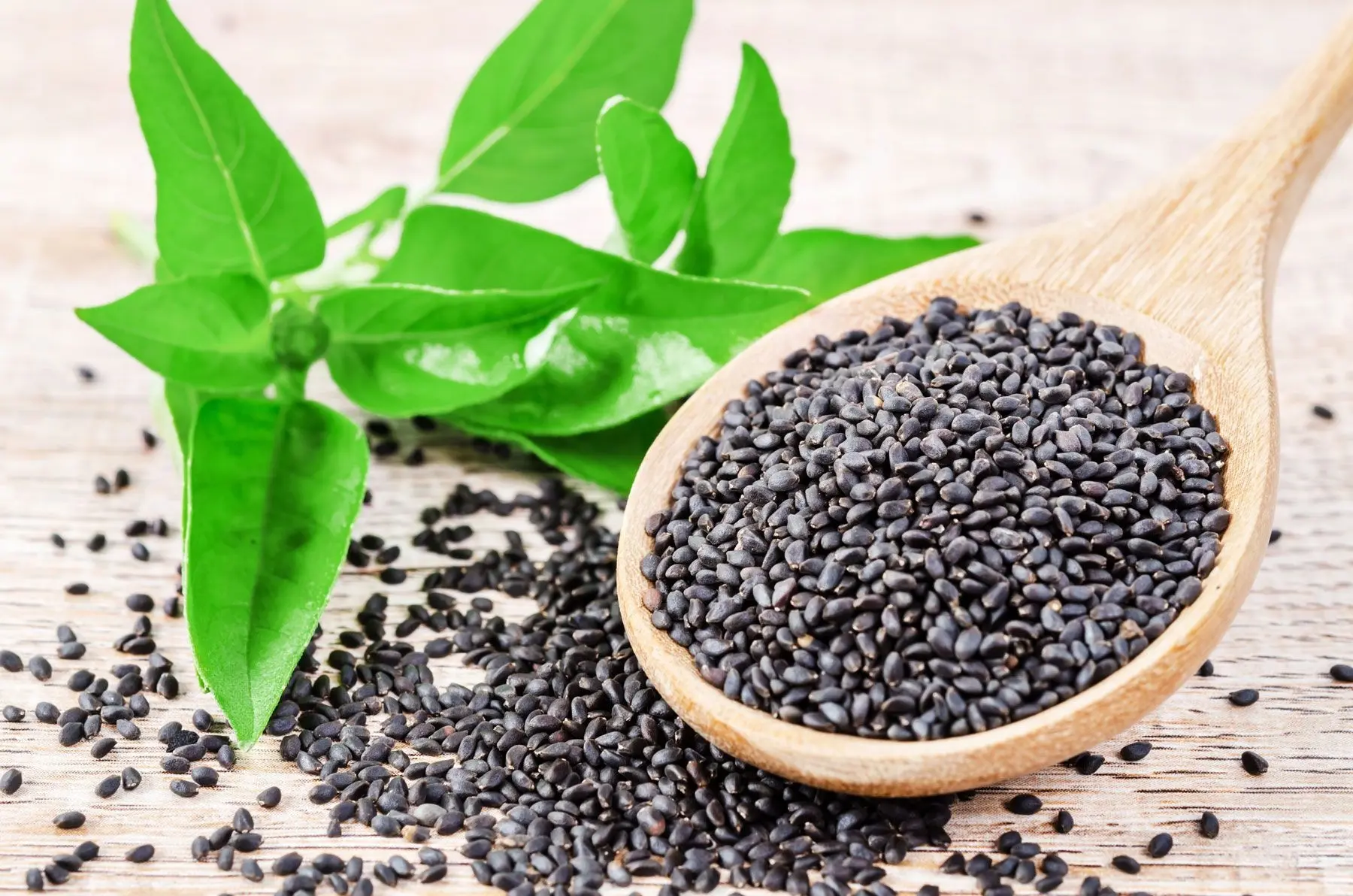
Never feed basil seeds dry as they can expand and cause choking or internal blockage. Always soak thoroughly before serving. Introduce slowly to avoid digestive upset. Due to high fibre content, too much can cause bloating or loose stools. Avoid flavoured or sweetened basil seed products. Dogs with sensitive digestion should be given extra caution when trying new seeds.
Important: We do our best to ensure the information on this page is accurate and based on reputable animal health sources. However, this website is intended for general informational purposes only and the content has not been individually reviewed or approved by a veterinarian.
Every dog is different and reactions to foods can vary. If you have concerns about your dog’s diet or health, it is always best to speak with a qualified veterinarian.
If you believe any information on this page is incorrect or outdated, please let us know via our Contact Us page so we can review and update it.
Here are answers to some of common questions that dog owners ask about this food's safety and nutrition
Dogs should not eat basil seeds every day. While they are safe when prepared correctly, their high fibre content can lead to digestive upset if given too frequently. It is better to offer them occasionally as a supplement to your dog’s regular diet rather than a daily addition, ensuring your dog maintains a balanced and consistent nutritional intake.

The amount of basil seeds a dog can eat depends on their size, but they should always be given in small, soaked portions. Start with a very small amount and gradually increase if your dog tolerates them well. Even for larger dogs, basil seeds should only be a minor addition to meals and not a regular ingredient due to their fibre content.
If your dog eats too many basil seeds, especially if they are dry, monitor closely for signs of choking, bloating, or digestive discomfort. Offer water and watch for symptoms like vomiting or constipation. If your dog seems distressed or you suspect a blockage, contact your veterinarian immediately. Prompt action is important if dry seeds were consumed in large amounts.
Puppies can have basil seeds in very small amounts, but only when properly soaked and introduced carefully. Their digestive systems are still developing, so high fibre foods like seeds can cause discomfort if overfed. Start with a tiny amount mixed into food and watch for any signs of bloating or loose stools. Focus on a complete puppy diet first, using basil seeds only occasionally as a minor addition rather than a regular supplement.
Small dogs are at a higher risk of choking if basil seeds are not prepared correctly. Always ensure the seeds are fully soaked and soft before feeding. Even then, portions should be very small due to their size and sensitivity to fibre. Too much can quickly lead to digestive upset. Stick to occasional use and monitor closely after feeding to ensure your dog tolerates them well.
Senior dogs may benefit from the fibre and omega 3 content in basil seeds, which can support digestion and overall health. However, older dogs can also be more sensitive to dietary changes. Introduce slowly and keep portions small to avoid bloating or discomfort. If your dog has digestive issues or is on medication, it is best to check with your vet before adding basil seeds to their diet.
Basil seeds can be useful for overweight dogs because they are filling and relatively low in calories when soaked. Their fibre content may help your dog feel satisfied with smaller portions of food. However, they should only be used as a small addition and not a primary weight management tool. Overfeeding can still cause digestive issues, so portion control remains essential.
