
Yes, dogs can eat chickpeas. They are not toxic when cooked plain, but canned varieties often contain salt. Rinse thoroughly and avoid seasoned or spiced chickpeas.
Last updated:
March 26, 2026
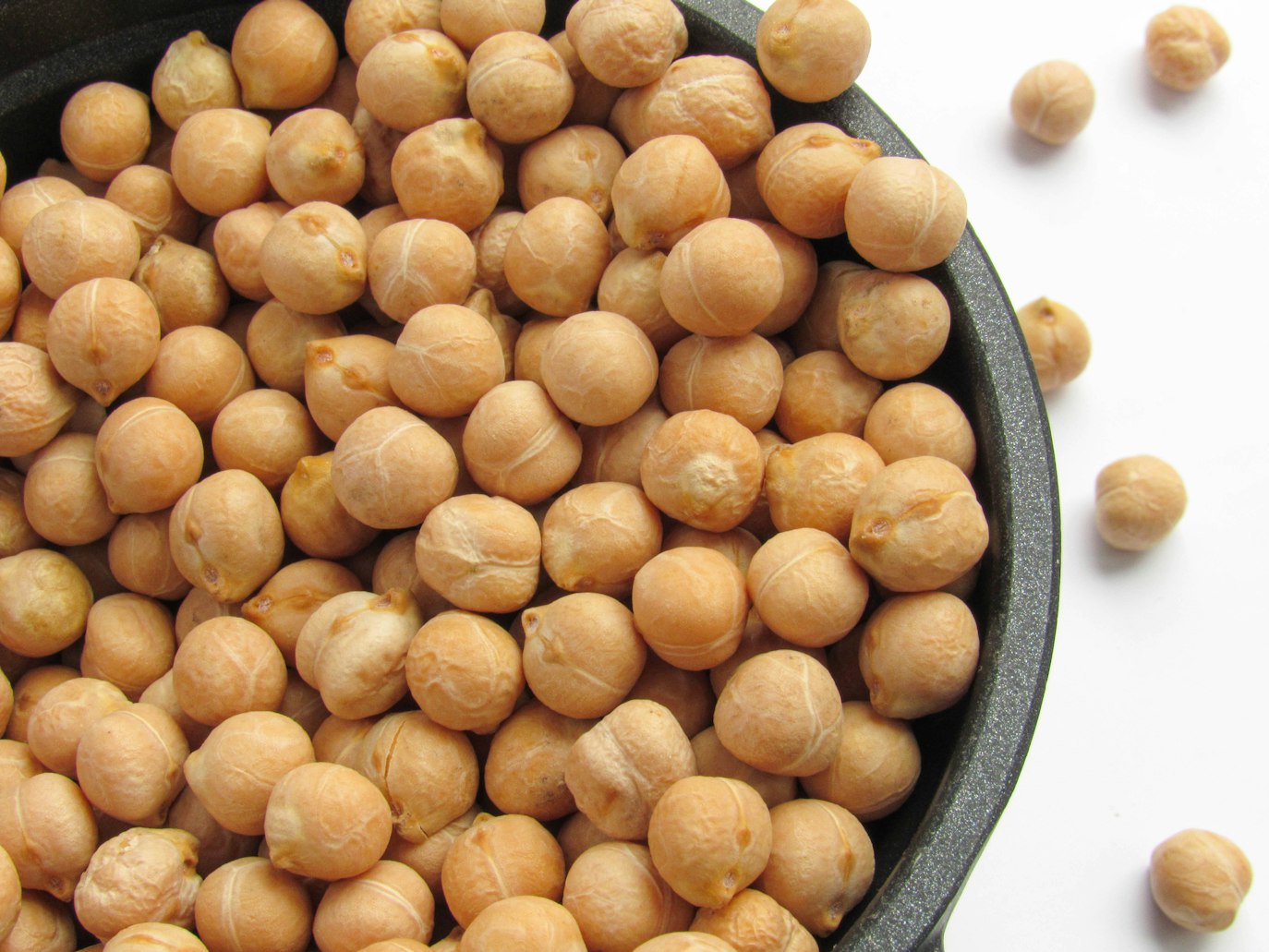
Raw dried chickpeas should never be fed as they are difficult to digest. Canned chickpeas often contain added salt which should be rinsed off. Chickpeas can cause gas in some dogs, particularly when introduced quickly. Avoid flavoured varieties such as roasted or spiced chickpeas. Hummus is not suitable because it usually contains garlic and lemon juice. Some dogs enjoy a small spoonful mixed into leftover rice, but this should remain occasional.
Important: We do our best to ensure the information on this page is accurate and based on reputable animal health sources. However, this website is intended for general informational purposes only and the content has not been individually reviewed or approved by a veterinarian.
Every dog is different and reactions to foods can vary. If you have concerns about your dog’s diet or health, it is always best to speak with a qualified veterinarian.
If you believe any information on this page is incorrect or outdated, please let us know via our Contact Us page so we can review and update it.
Here are answers to some of common questions that dog owners ask about this food's safety and nutrition
Dogs should not eat chickpeas every day. While they are safe when cooked plain, regular feeding may cause gas and unnecessary calorie intake. Occasional small portions are acceptable, but a balanced diet should remain the main source of nutrition.

The appropriate amount depends on your dog’s size. Extra small dogs may only need a teaspoon, while large dogs can tolerate one or two tablespoons. Always serve cooked and plain, and introduce slowly to avoid digestive upset from fibre.
If your dog eats too many chickpeas, they may experience gas, bloating, or loose stools. Provide fresh water and avoid additional rich foods. Symptoms usually resolve within a day, but contact your veterinarian if vomiting or persistent discomfort occurs.
Puppies can eat chickpeas in very small amounts once they are used to solid foods, but they are not ideal as an early treat. Their digestive systems are sensitive and legumes may cause bloating. Mash thoroughly and mix with regular food rather than offering whole. Avoid salted canned chickpeas. Because puppies need balanced nutrition for growth, chickpeas should only be an occasional addition. Introduce gradually and watch stool consistency to ensure they tolerate the fibre.
Small dogs should receive only tiny portions of chickpeas. Whole chickpeas may present a choking risk for toy breeds, so mashing is recommended. Their lower calorie needs also mean a few chickpeas can quickly add up. Gas is more noticeable in small dogs, particularly those with sensitive stomachs. Mixing a teaspoon into food is usually enough. Some small dogs prefer the softer texture when chickpeas are lightly mashed and blended with their regular meal.
Senior dogs may benefit from the fibre in chickpeas, which can help digestive regularity. However, legumes may also cause gas, which can be uncomfortable for older dogs. Mash well and serve in small amounts. If your senior dog has reduced appetite, mixing chickpeas into meals can add texture without increasing fat. Keep sodium low by rinsing canned varieties. Some seniors tolerate them well, while others do better with softer vegetables that are easier to digest.
Chickpeas can help overweight dogs feel satisfied because of their fibre content, but they are more calorie dense than many vegetables. Keep portions small and avoid pairing with high calorie foods. Mixing a tablespoon into regular meals may increase fullness without significantly raising energy intake. Monitor digestion, as too much fibre can cause bloating. Chickpeas work best as an occasional addition alongside low calorie vegetables rather than a frequent treat.
