
Yes, dogs can eat bulgur wheat when it is cooked plain. It is a whole grain that provides fibre and nutrients, but it should be fed in small portions. Avoid seasoned or flavoured versions as added ingredients can upset your dog’s stomach.
Last updated:
April 11, 2026
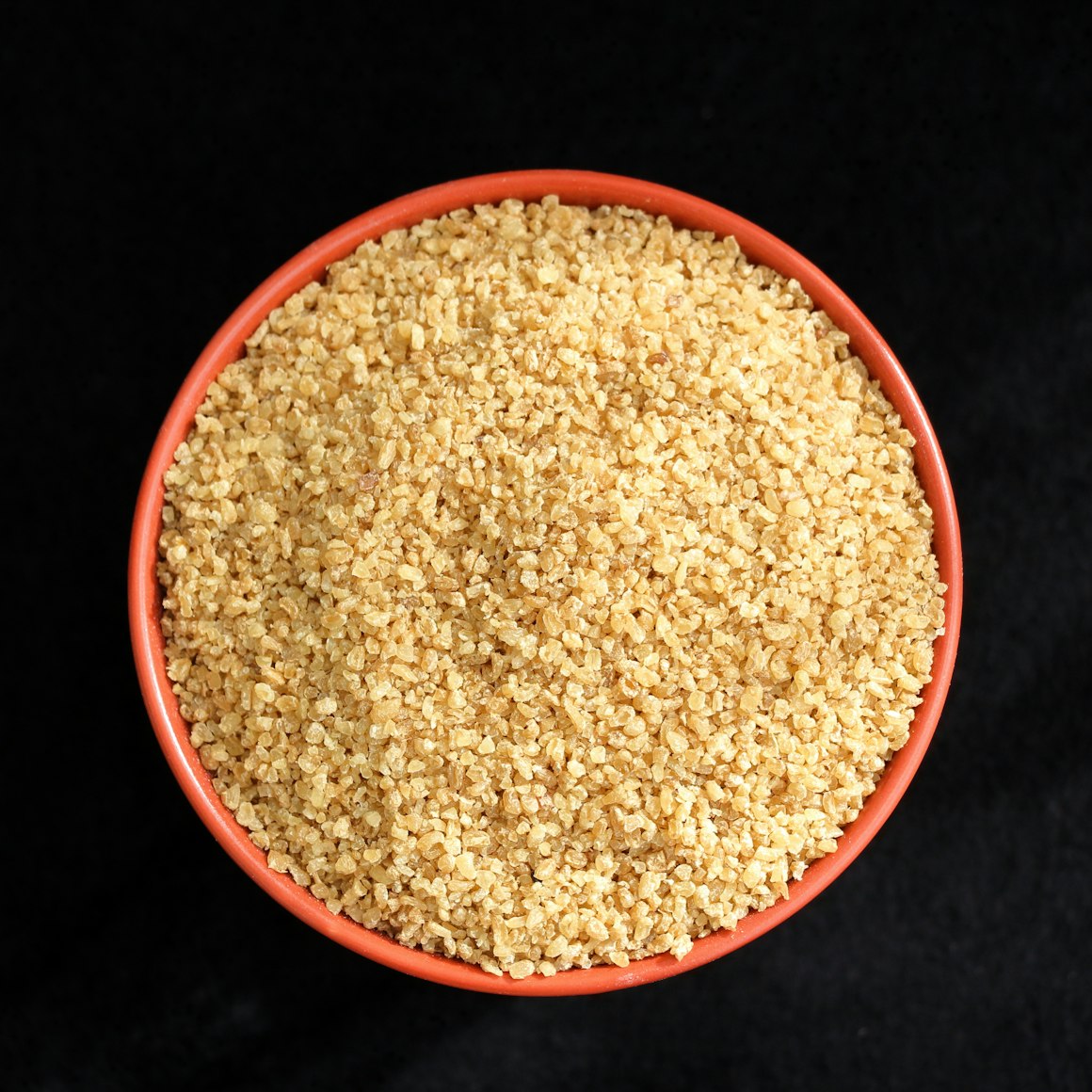
Bulgur is a wheat product, so it should not be fed to dogs with known grain or gluten sensitivities. Always serve it fully cooked as dry or undercooked grains can be difficult to digest. Avoid pre seasoned dishes such as tabbouleh as they often contain onion, garlic or lemon juice which may irritate your dog. Introduce gradually and keep portions modest. A spoonful of plain leftover bulgur from a home cooked meal can be an easy way to offer something different.
Important: We do our best to ensure the information on this page is accurate and based on reputable animal health sources. However, this website is intended for general informational purposes only and the content has not been individually reviewed or approved by a veterinarian.
Every dog is different and reactions to foods can vary. If you have concerns about your dog’s diet or health, it is always best to speak with a qualified veterinarian.
If you believe any information on this page is incorrect or outdated, please let us know via our Contact Us page so we can review and update it.
Here are answers to some of common questions that dog owners ask about this food's safety and nutrition
Dogs can eat bulgur regularly if it suits their diet, but it is not essential as a daily ingredient. Feeding it too often may lead to excess carbohydrate intake and reduce variety in their meals. It is better used occasionally alongside other foods to keep a balanced and interesting diet.

The amount of bulgur a dog can eat depends on their size and dietary needs, but it should always be a small part of the meal. Start with a spoonful and increase slightly if well tolerated. Keeping it under 10 percent of the total meal helps prevent digestive upset and keeps the overall diet balanced.
If your dog eats too much bulgur, they may develop gas, bloating or loose stools due to the fibre and carbohydrate load. Provide water and return to their normal feeding routine. If symptoms continue or your dog shows signs of discomfort, it is best to contact your vet for advice.
Puppies can have small amounts of cooked bulgur wheat once they are established on a complete and balanced diet, but it should only be an occasional addition. Their main nutrition should come from high quality puppy food designed for growth. Because bulgur contains fibre and carbohydrates, too much may upset their digestion or reduce appetite for essential nutrients. Start with very small portions and ensure it is soft and easy to chew.
Small dogs can tolerate bulgur well in small servings, but its carbohydrate content means portions need to stay controlled. Even a slight overfeed can lead to excess calorie intake for smaller breeds. Always serve it plain and well cooked to avoid digestive discomfort. Mixing it into their regular food rather than feeding it alone can help reduce the chance of stomach upset and improve acceptance.
Senior dogs may benefit from the gentle fibre in bulgur, especially if they experience mild digestive changes with age. It should be cooked thoroughly so it is soft and easy to eat. However, because older dogs are often less active, the carbohydrate content should be considered carefully. Keeping servings small and occasional helps avoid unnecessary weight gain while still providing some dietary variety.
Bulgur can be included in a weight management plan in very small amounts due to its fibre content, which may help dogs feel more satisfied after meals. However, it is still a grain and contains calories, so it should not be overused. Pairing it with lean protein and vegetables is a better approach for overweight dogs. Careful portion control ensures it adds value without slowing progress.
