
Yes, dogs can eat cornstarch in small amounts. It is not toxic but offers very little nutritional value. Too much can contribute to weight gain and digestive upset, so it should only be given occasionally.
Last updated:
March 18, 2026
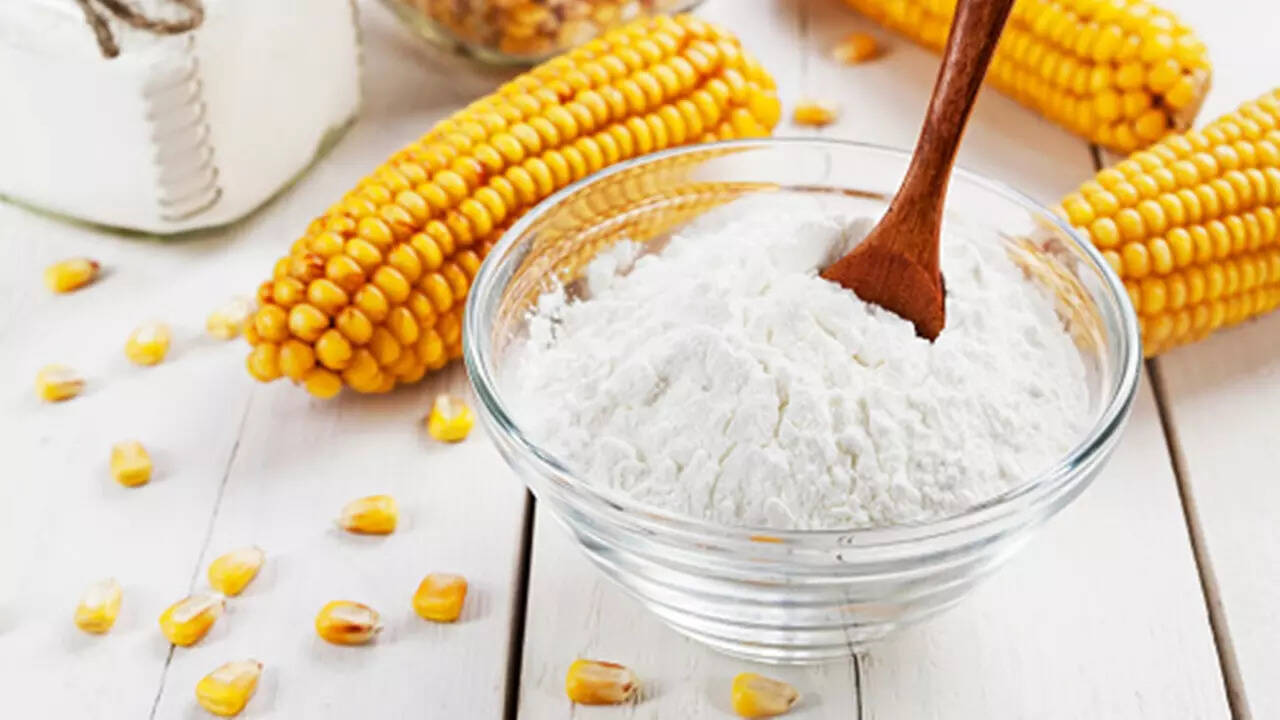
Cornstarch is not toxic but should be limited due to its low nutritional value and high calorie density. It can contribute to weight gain and is not suitable as a regular part of a balanced diet. Dogs with diabetes or weight issues should avoid it. Always prioritise whole, nutrient rich foods over refined starches and monitor your dog for any signs of digestive upset after consumption
Important: We do our best to ensure the information on this page is accurate and based on reputable animal health sources. However, this website is intended for general informational purposes only and the content has not been individually reviewed or approved by a veterinarian.
Every dog is different and reactions to foods can vary. If you have concerns about your dog’s diet or health, it is always best to speak with a qualified veterinarian.
If you believe any information on this page is incorrect or outdated, please let us know via our Contact Us page so we can review and update it.
Here are answers to some of common questions that dog owners ask about this food's safety and nutrition
Dogs should not eat cornstarch every day. While it is not toxic, it does not provide the nutrients dogs need and can contribute to excess calorie intake over time. It is best used occasionally in small amounts, usually as part of a homemade treat rather than a regular addition to their diet.

The amount of cornstarch a dog can eat depends on their size, but it should always be very small. It is typically used as a minor ingredient rather than a standalone food. Even for large dogs, only small spoonfuls occasionally are appropriate to avoid unnecessary calorie intake and digestive issues.
If your dog eats too much cornstarch, monitor them for signs of digestive upset such as bloating or loose stools. Ensure they have access to fresh water and avoid feeding additional rich foods. If symptoms persist or your dog seems unwell, contact your veterinarian for advice, especially if your dog has underlying health conditions.
Puppies have high nutritional needs for growth, and cornstarch does not provide meaningful vitamins or minerals. Feeding it regularly can displace more important nutrients from their diet. Small amounts in cooked treats are generally safe, but it should not be a regular ingredient. Focus on high quality puppy food that supports development and only use cornstarch occasionally in very small quantities.
Small dogs are more sensitive to calorie dense foods like cornstarch. Even a small amount can contribute to excess calorie intake, which may lead to weight gain over time. It is best used sparingly and only as part of a treat. Always measure carefully and avoid giving it frequently, especially if your dog has low activity levels.
Senior dogs often have slower metabolisms and may be more prone to weight gain. Cornstarch offers little nutritional value and can add unnecessary calories to their diet. It is better to prioritise foods that support joint health and overall wellbeing. If used, keep portions very small and occasional to avoid impacting their health.
Cornstarch is not ideal for overweight dogs due to its high carbohydrate content and calorie density. It can contribute to further weight gain without offering meaningful nutritional benefits. It is best avoided or kept to a minimum. Focus instead on low calorie, nutrient dense foods that support healthy weight management and overall health.
