
Yes. Dogs can eat cauliflower in small amounts. This vegetable provides fibre and vitamins that support digestion and overall health. Too much cauliflower may cause gas or stomach upset so it should only be offered occasionally.
Last updated:
March 19, 2026
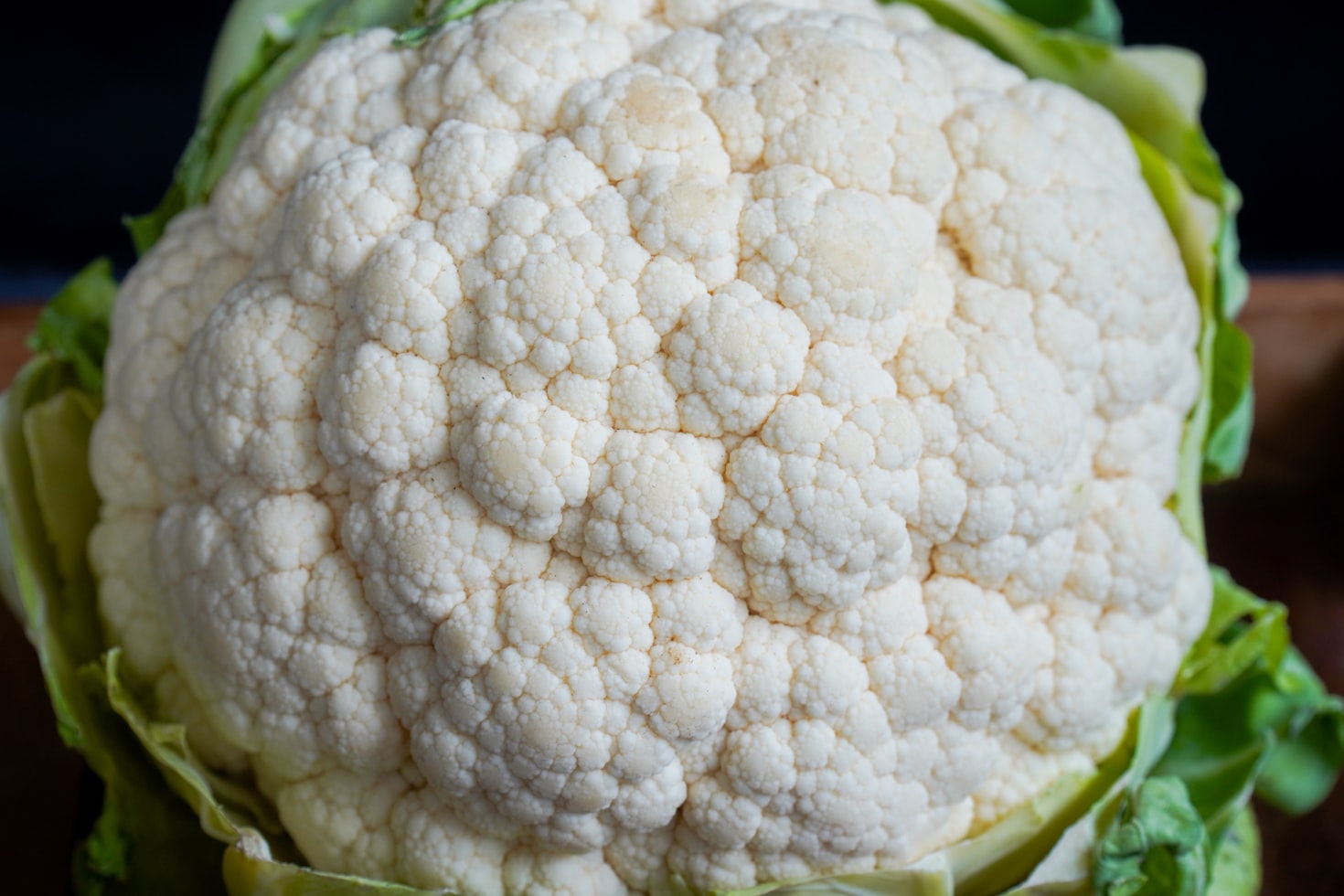
Cauliflower is generally safe for dogs when served plain and in small portions. Avoid adding salt, butter, oils or sauces because these ingredients can upset a dog’s stomach, while add-ons like garlic and onion are toxic. Too much cauliflower may cause gas or digestive discomfort due to its fibre content. Always cut cauliflower into small pieces to reduce the risk of choking and introduce new foods slowly to see how your dog reacts.
Important: We do our best to ensure the information on this page is accurate and based on reputable animal health sources. However, this website is intended for general informational purposes only and the content has not been individually reviewed or approved by a veterinarian.
Every dog is different and reactions to foods can vary. If you have concerns about your dog’s diet or health, it is always best to speak with a qualified veterinarian.
If you believe any information on this page is incorrect or outdated, please let us know via our Contact Us page so we can review and update it.
Here are answers to some of common questions that dog owners ask about this food's safety and nutrition
Dogs can eat cauliflower but it should not be given every day in large amounts. The vegetable contains fibre and plant compounds that may cause gas or stomach discomfort if eaten frequently. Small occasional servings are usually the best approach and should only be offered alongside a balanced dog diet.

The amount of cauliflower a dog can eat depends on their size and how well they tolerate fibre. Small dogs may only need one or two tiny florets while larger dogs can eat a few tablespoons of chopped cauliflower as an occasional treat. It is best to start with a small amount and see how your dog responds.
If your dog eats too much cauliflower they may experience gas, bloating or mild stomach upset. In most cases symptoms pass once the food moves through the digestive system. Make sure your dog has access to fresh water and monitor them for vomiting or diarrhoea. If symptoms are severe or continue it is best to contact your veterinarian for advice.
Puppies can eat small amounts of cauliflower once they are used to solid food but it should be introduced slowly. Their digestive systems are still developing so high fibre vegetables can sometimes cause gas or loose stools. Start with a tiny piece of plain steamed cauliflower and monitor how your puppy responds. Most of a puppy’s nutrition should come from a complete puppy diet so vegetables like cauliflower should only be occasional treats.
Small dogs can eat cauliflower but they usually need much smaller portions than larger breeds. The fibre content can cause gas or mild stomach upset if too much is eaten. Cutting the vegetable into very small soft pieces helps make it easier for small dogs to chew and digest. Offering cauliflower only occasionally and in tiny portions helps reduce the chance of digestive discomfort.
Senior dogs may benefit from the fibre and antioxidants found in cauliflower but it should still be served in moderation. Older dogs sometimes have more sensitive digestion so large servings of fibrous vegetables may lead to gas or stomach discomfort. Lightly steamed cauliflower cut into small soft pieces can be easier for senior dogs to chew and digest compared with large raw pieces.
Cauliflower can be a good treat option for overweight dogs because it is very low in calories and contains fibre that may help dogs feel satisfied. Small portions can replace higher calorie snacks without adding much energy to the diet. Even though it is low calorie it should still be given in moderation because large amounts may cause gas or digestive upset.
