
Yes, dogs can eat pineapple in small amounts. Fresh pineapple contains vitamins and fibre that can be safe for dogs when served plain. Important warning: the tough skin and hard core should always be removed and pineapple should only be offered in small portions due to its natural sugar content.
Last updated:
March 25, 2026
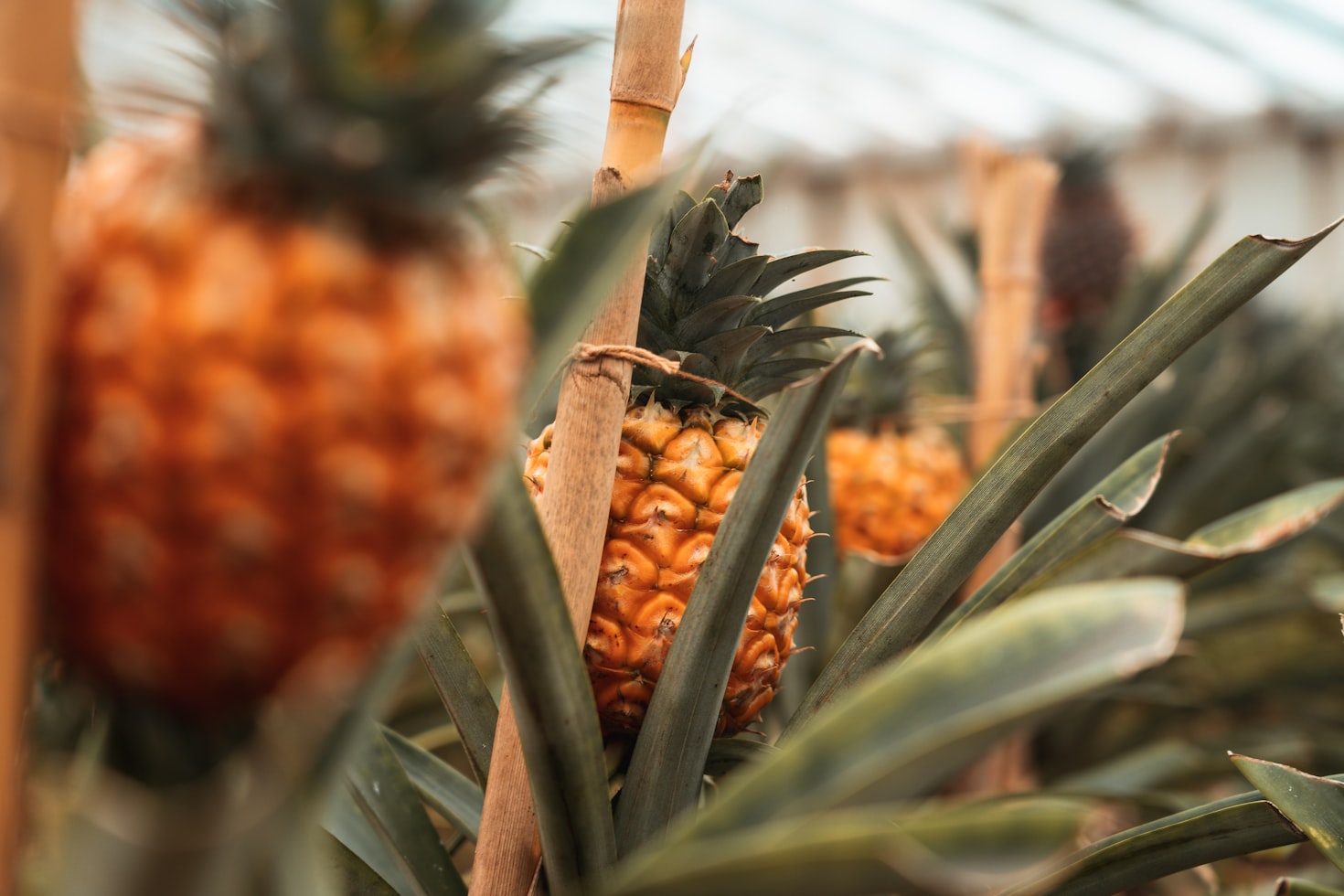
Only the soft flesh of fresh pineapple should be given to dogs. The outer skin is tough and difficult to digest while the core is very fibrous and may pose a choking risk. Canned pineapple should be avoided if it is packed in syrup because it contains added sugar. Similar to other tropical fruits, like mango, pineapple should be treated as an occasional treat and should not replace a balanced dog diet. It's also important to be aware that overripe fruit can ferment and produce small amounts of alcohol, which is toxic to dogs.
Important: We do our best to ensure the information on this page is accurate and based on reputable animal health sources. However, this website is intended for general informational purposes only and the content has not been individually reviewed or approved by a veterinarian.
Every dog is different and reactions to foods can vary. If you have concerns about your dog’s diet or health, it is always best to speak with a qualified veterinarian.
If you believe any information on this page is incorrect or outdated, please let us know via our Contact Us page so we can review and update it.
Here are answers to some of common questions that dog owners ask about this food's safety and nutrition
Dogs should not eat pineapple every day. While fresh pineapple contains beneficial vitamins and fibre it also has natural sugars that can add unnecessary calories if fed regularly. Giving pineapple occasionally in small portions is the safest approach. It should always be served as a treat and not replace balanced dog food that provides complete nutrition.

The amount of pineapple a dog can eat depends on their size. Most dogs can safely enjoy a few small pieces of fresh pineapple as an occasional treat. The fruit should be cut into bite sized cubes and the tough skin and core removed. Because pineapple contains natural sugars it should be given in moderation and should not become a daily snack.
If your dog eats too much pineapple they may develop mild digestive upset such as diarrhoea or stomach discomfort. Remove access to the fruit and offer fresh water. In most cases symptoms settle on their own but if vomiting, ongoing diarrhoea, or lethargy occurs it is best to contact your veterinarian for advice.
Puppies can eat small pieces of fresh pineapple occasionally but it should be introduced slowly. Their digestive systems are still developing and too much fruit can lead to diarrhoea or stomach upset. Offer very small pieces of soft pineapple and watch how your puppy reacts. Always remove the tough skin and core and avoid canned pineapple with added sugar. Pineapple should only be an occasional treat alongside a complete puppy diet.
Small dogs can enjoy pineapple in small portions but the serving size should be carefully controlled. Because of their body size the natural sugars in fruit can add up quickly and may upset their stomach if too much is given. Cutting the fruit into very small cubes helps prevent choking and makes it easier to digest. Pineapple should remain an occasional treat rather than a regular snack.
Senior dogs may enjoy pineapple as a soft fruit treat when given in moderation. The fruit’s water content can be refreshing and its fibre may support digestion. However older dogs sometimes have more sensitive stomachs so portions should remain small. Always remove the skin and fibrous core and monitor for any digestive upset. As with all treats pineapple should only make up a small portion of a senior dog’s diet.
For overweight dogs pineapple can be a better treat option than many processed snacks because it is relatively low in calories. However it still contains natural sugars so portions should remain small. Offering a few small pieces occasionally can provide flavour and variety without adding too many calories. Fresh pineapple is preferable to canned versions which often contain added sugar.
