
Yes. Cherry tomatoes are not toxic to dogs when ripe and fed in small amounts. Avoid green parts of the plant and unripe fruit which contain solanine that may cause stomach upset
Last updated:
March 25, 2026
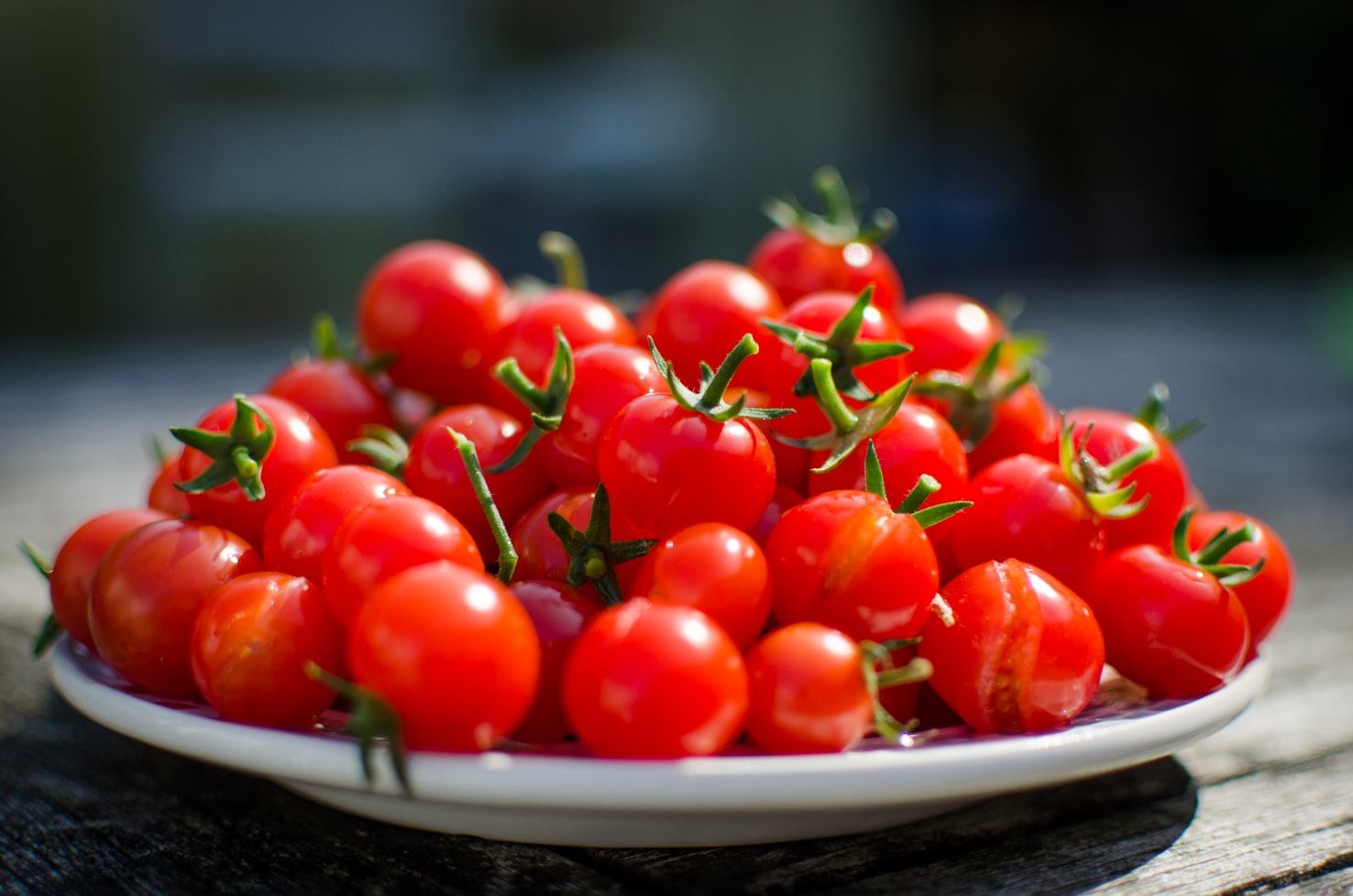
Like regular tomatoes, cherry tomatoes are generally safe for dogs to consume. However, avoid feeding leaves, stems or unripe green tomatoes as they contain solanine. Some dogs may react to acidity so start with a small portion. Always cut them for small breeds to prevent choking. If growing tomatoes at home keep dogs away from the plant as chewing the vine is more problematic than eating the fruit. Cherry tomatoes from salads often contain dressing so only offer plain pieces
Important: We do our best to ensure the information on this page is accurate and based on reputable animal health sources. However, this website is intended for general informational purposes only and the content has not been individually reviewed or approved by a veterinarian.
Every dog is different and reactions to foods can vary. If you have concerns about your dog’s diet or health, it is always best to speak with a qualified veterinarian.
If you believe any information on this page is incorrect or outdated, please let us know via our Contact Us page so we can review and update it.
Here are answers to some of common questions that dog owners ask about this food's safety and nutrition
Cherry tomatoes can be fed daily in very small amounts, but they are better treated as an occasional addition rather than a staple. Dogs do not need tomatoes nutritionally, so variety is more beneficial. Rotating different vegetables helps prevent digestive upset and reduces the chance of your dog becoming picky about food.

The right amount depends on your dog’s size and tolerance. Most dogs only need one to three cherry tomatoes cut into small pieces. Start with less and observe how your dog responds, especially if they have a sensitive stomach. These should make up no more than ten percent of daily calorie intake to keep the diet balanced.
If your dog eats too many cherry tomatoes, remove access and monitor for signs like loose stools or mild stomach upset. Provide fresh water and return to their normal diet. If they also consumed leaves or unripe tomatoes, or show vomiting or lethargy, contact your veterinarian for advice. Most cases resolve with simple observation but caution is best.
For puppies, cherry tomatoes can be offered occasionally once they are established on a balanced diet. Their digestive systems are still developing, so start with a very small piece and watch for loose stools. Because puppies explore with their mouths, pieces should be cut very small to prevent gulping. Tomatoes are not essential for growth, so they should only be an extra treat rather than something given regularly. Fresh water should always be available after new foods.
Small dogs can enjoy cherry tomatoes but portion control matters. Even one or two extra pieces can represent a significant percentage of their daily calories. Their smaller mouths also increase the chance of swallowing them whole, so slicing into quarters is safest. Some small breeds are prone to sensitive stomachs, and the mild acidity may cause soft stools if overfed. Try mixing a small piece into their regular meal rather than offering multiple pieces at once.
Older dogs often benefit from low calorie snacks, making cherry tomatoes a reasonable option in moderation. The soft flesh is easy to chew, but seeds and skins may still cause mild digestive upset in seniors with sensitive guts. If your senior dog has kidney issues, speak with your vet before introducing new produce. Chopped pieces added to a bland meal can provide variety without significantly increasing energy intake.
Cherry tomatoes are naturally low in calories, so they can suit dogs on a weight management plan when portions are controlled. Their water content can help dogs feel satisfied between meals. However, they should not replace nutritionally complete food. Offering them as part of a treat rotation alongside other vegetables can prevent boredom. Avoid pairing with high calorie extras like cheese or oil which would cancel out the benefit.
