
Yes. Millet is safe for dogs when cooked plain and served in small amounts. It provides carbohydrates and minerals but should not replace a balanced diet. Always cook thoroughly and avoid seasoning.
Last updated:
March 26, 2026
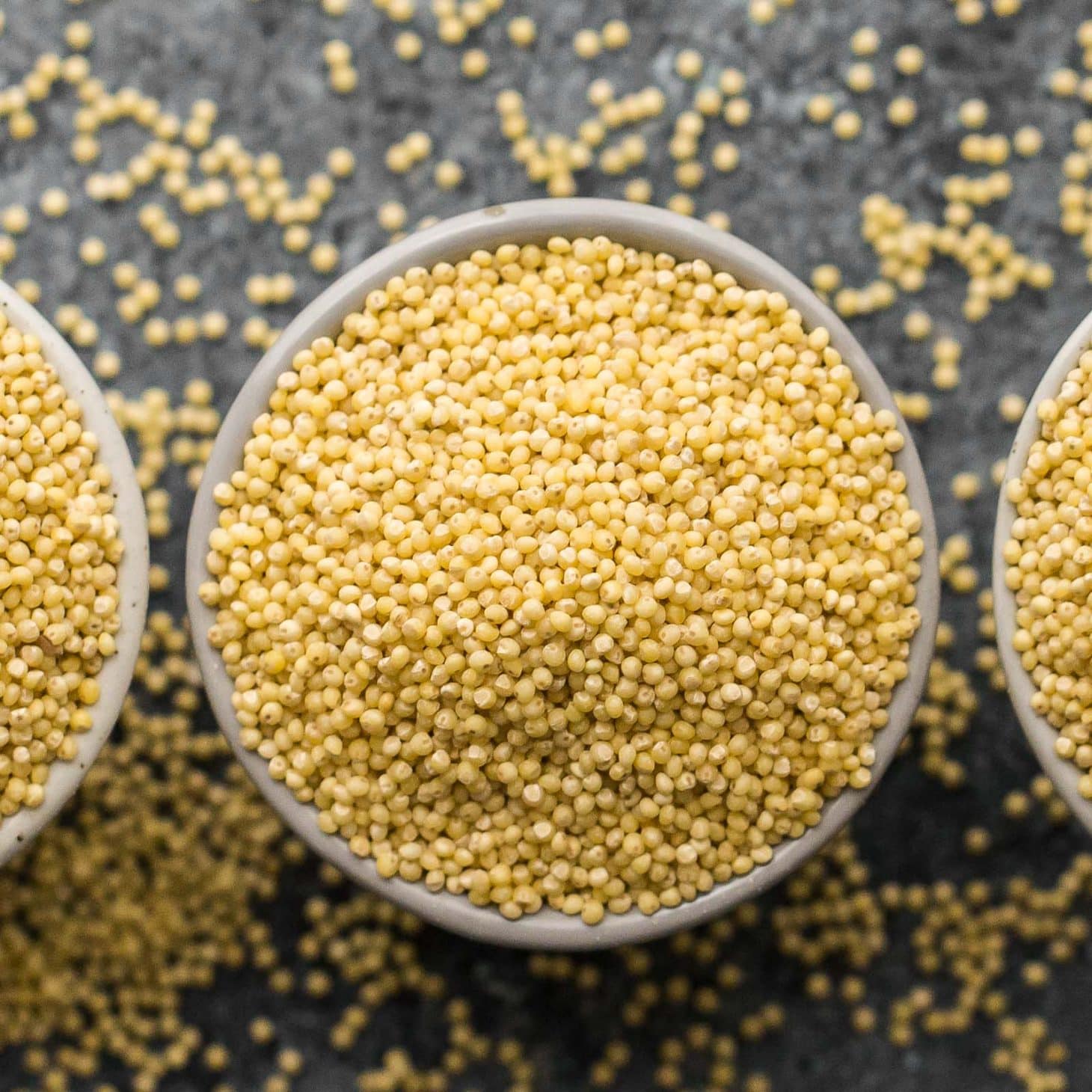
Always serve cooked millet as raw grains are difficult to digest. Avoid adding broth, salt, or seasoning blends. Because millet is carbohydrate dense, adjust portion sizes for dogs prone to weight gain. Introduce gradually to prevent bloating. Use as a small addition rather than a main meal component. Some owners use leftover plain millet from cooking as an occasional topper which can reduce food waste while keeping portions controlled.
Important: We do our best to ensure the information on this page is accurate and based on reputable animal health sources. However, this website is intended for general informational purposes only and the content has not been individually reviewed or approved by a veterinarian.
Every dog is different and reactions to foods can vary. If you have concerns about your dog’s diet or health, it is always best to speak with a qualified veterinarian.
If you believe any information on this page is incorrect or outdated, please let us know via our Contact Us page so we can review and update it.
Here are answers to some of common questions that dog owners ask about this food's safety and nutrition
Dogs can eat millet regularly in small amounts, but it should not be offered every day unless part of a carefully balanced diet. Rotating with other grains and vegetables helps prevent excess carbohydrate intake. A few spoonfuls a couple of times per week is usually appropriate for most dogs, particularly when added to complete food.

The amount of millet depends on your dog’s size and calorie needs. Start with a teaspoon for small dogs or a tablespoon for larger breeds, then adjust based on tolerance. Because it is higher in calories than vegetables, moderation is important. Always serve cooked and plain to improve digestion and avoid unnecessary additives.
If your dog eats too much millet, they may experience mild bloating or firmer stools. Offer fresh water and return to their usual feeding routine. Most dogs recover without issue. If vomiting, persistent discomfort, or significant changes in stool occur, contact your veterinarian for advice.
Puppies can eat small amounts of cooked millet once they are established on a balanced puppy diet. Because puppies require precise nutrition, millet should only be used as a minor addition rather than a staple ingredient. Soft cooked grains are easier to digest, so ensure the texture is fluffy rather than firm. Introduce gradually to check tolerance. Mixing a teaspoon into regular puppy food can add variety without interfering with growth requirements.
Small dogs should be given very modest portions of millet because even small amounts add noticeable calories. Cooked grains can be mixed thoroughly into food to prevent selective eating. The soft texture is usually easy for smaller mouths to handle. If a toy breed is prone to weight gain, limit frequency and rotate with lower calorie additions. Starting with a teaspoon allows you to assess tolerance without overwhelming digestion.
Senior dogs may tolerate cooked millet well due to its soft texture and mild flavour. It can be helpful for dogs with dental wear who prefer softer foods. Because older dogs often have lower activity levels, portion control is important to avoid excess calories. Mixing millet with lean protein can create a gentle, easy to chew meal component. Monitor stool consistency as increased grains may firm stools in some dogs.
Millet should be used cautiously for overweight dogs because it is relatively calorie dense compared with vegetables. If included, keep portions small and balance with lean protein and low calorie vegetables. The soft texture can help create filling meals without adding fat, but carbohydrate intake still needs monitoring. Some owners mix a spoonful into high fibre vegetables to create bulk without significantly increasing energy intake.
