
Yes, dogs can eat plain cooked white rice. It is easy to digest and is often used by veterinarians when dogs have upset stomachs. Only serve white rice without salt, butter, oils, or seasonings.
Last updated:
March 26, 2026
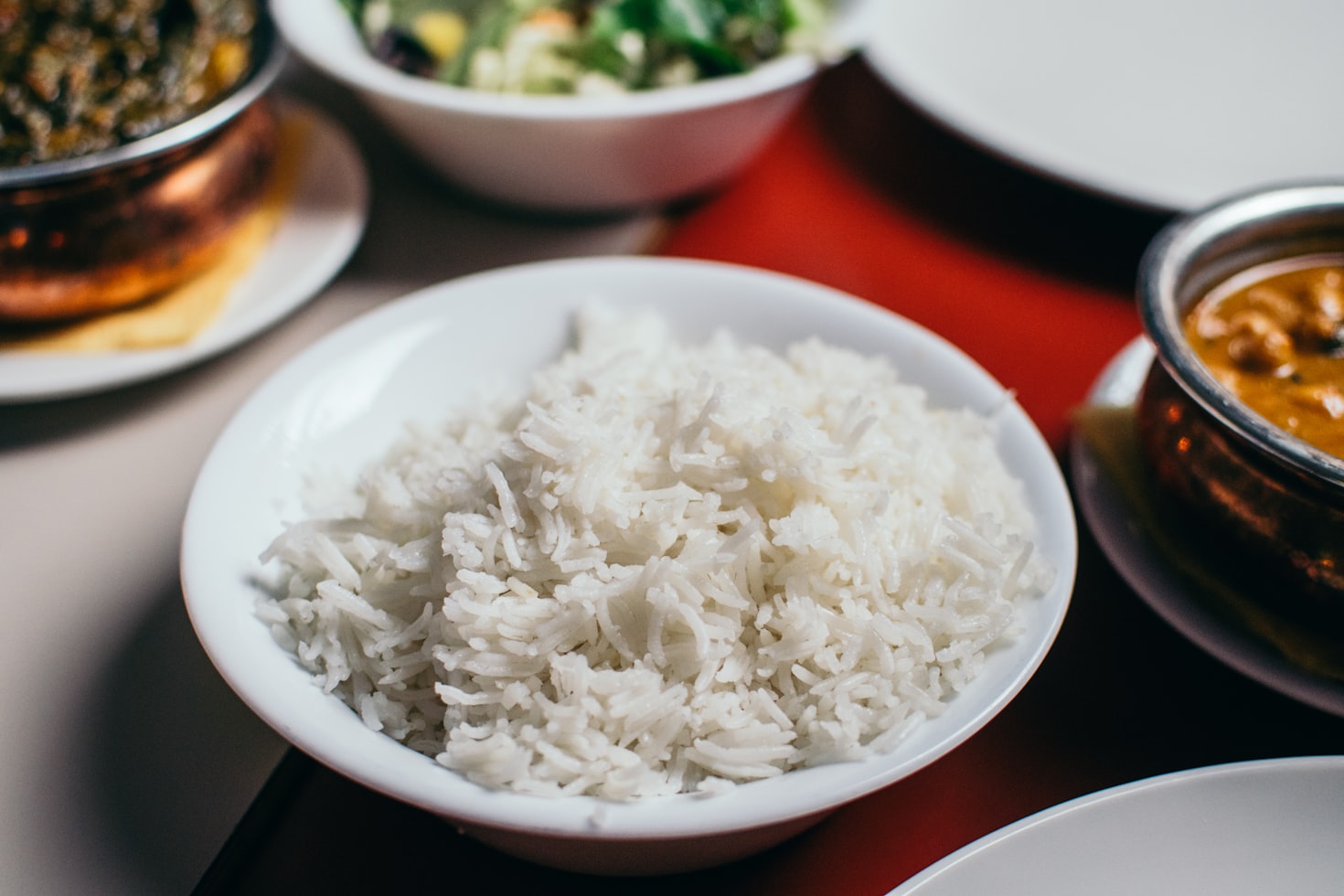
Always serve white rice plain and fully cooked. Avoid adding salt, oils, spices, garlic, onion, or sauces which may be harmful to dogs. Rice should not replace a balanced dog food because it lacks essential nutrients when fed alone. Brown rice contains more fibre but may be slightly harder for some dogs to digest compared with white rice. If your dog has diabetes or weight issues consult a veterinarian before feeding high carbohydrate foods like white rice. Cooked barley can be used as an alternative to rice in small amounts. Some owners mix pumpkin with rice for upset stomachs
Important: We do our best to ensure the information on this page is accurate and based on reputable animal health sources. However, this website is intended for general informational purposes only and the content has not been individually reviewed or approved by a veterinarian.
Every dog is different and reactions to foods can vary. If you have concerns about your dog’s diet or health, it is always best to speak with a qualified veterinarian.
If you believe any information on this page is incorrect or outdated, please let us know via our Contact Us page so we can review and update it.
Here are answers to some of common questions that dog owners ask about this food's safety and nutrition
Dogs can eat white rice occasionally but it should not make up a large part of their daily diet. Plain cooked white rice is safe and easy to digest but it mainly provides carbohydrates rather than a full balance of nutrients. Feeding it every day in large quantities could lead to excess calorie intake or reduce the amount of protein in the diet. It is best used as an occasional addition or a short term bland meal when needed.

The amount of white rice a dog can eat depends on their size and overall diet. Small dogs may only need a tablespoon or two while larger dogs can handle a few tablespoons or up to half a cup of cooked rice. Because white rice is high in carbohydrates it should only make up a small portion of the meal and ideally be mixed with protein such as plain chicken. Keeping portions moderate helps maintain a balanced diet.
If your dog eats too much white rice they may simply consume more calories and carbohydrates than they need. This can sometimes cause mild digestive upset such as bloating or soft stools. Provide fresh water and return to their normal diet at the next meal. If your dog shows ongoing vomiting, diarrhoea, or signs of discomfort it is best to contact a veterinarian for guidance.
White can be safe for puppies when served plain and in small portions. It is sometimes recommended by veterinarians when a puppy has a mild stomach upset because it is easy to digest. However white rice should never replace a balanced puppy diet that contains the protein and nutrients needed for healthy growth. If used it should be mixed with a protein source such as plain cooked chicken and only offered for a short period while the digestive system settles.
Small dogs can usually tolerate plain white rice well but their calorie needs are much lower than larger breeds. Even a small serving can represent a noticeable part of their daily food intake. If you feed white rice it should be a small portion mixed with their regular dog food rather than served on its own. Avoid feeding seasoned rice dishes as ingredients like onion or garlic can be harmful to dogs.
Senior dogs often benefit from foods that are easy to digest and plain cooked rice can sometimes be a gentle option. It may be useful when an older dog has mild digestive upset or needs a simple bland meal. Because rice is high in carbohydrates it should still be served in moderate amounts and balanced with protein. Older dogs that are less active may gain weight if large portions of white rice are fed regularly.
White rice can add extra carbohydrates and calories to a dog's diet so it should be limited for dogs that need to lose weight. While it is easy to digest it does not provide the same level of satiety as high protein foods. If offered it should be a small portion mixed with lean protein rather than a large serving on its own. Lower calorie vegetables are often a better treat option for overweight dogs.
