
No, dogs should not eat garlic powder. Garlic in any form is toxic to dogs and powdered versions are more concentrated than fresh cloves. Even small amounts can damage red blood cells and lead to anaemia.
Last updated:
April 1, 2026
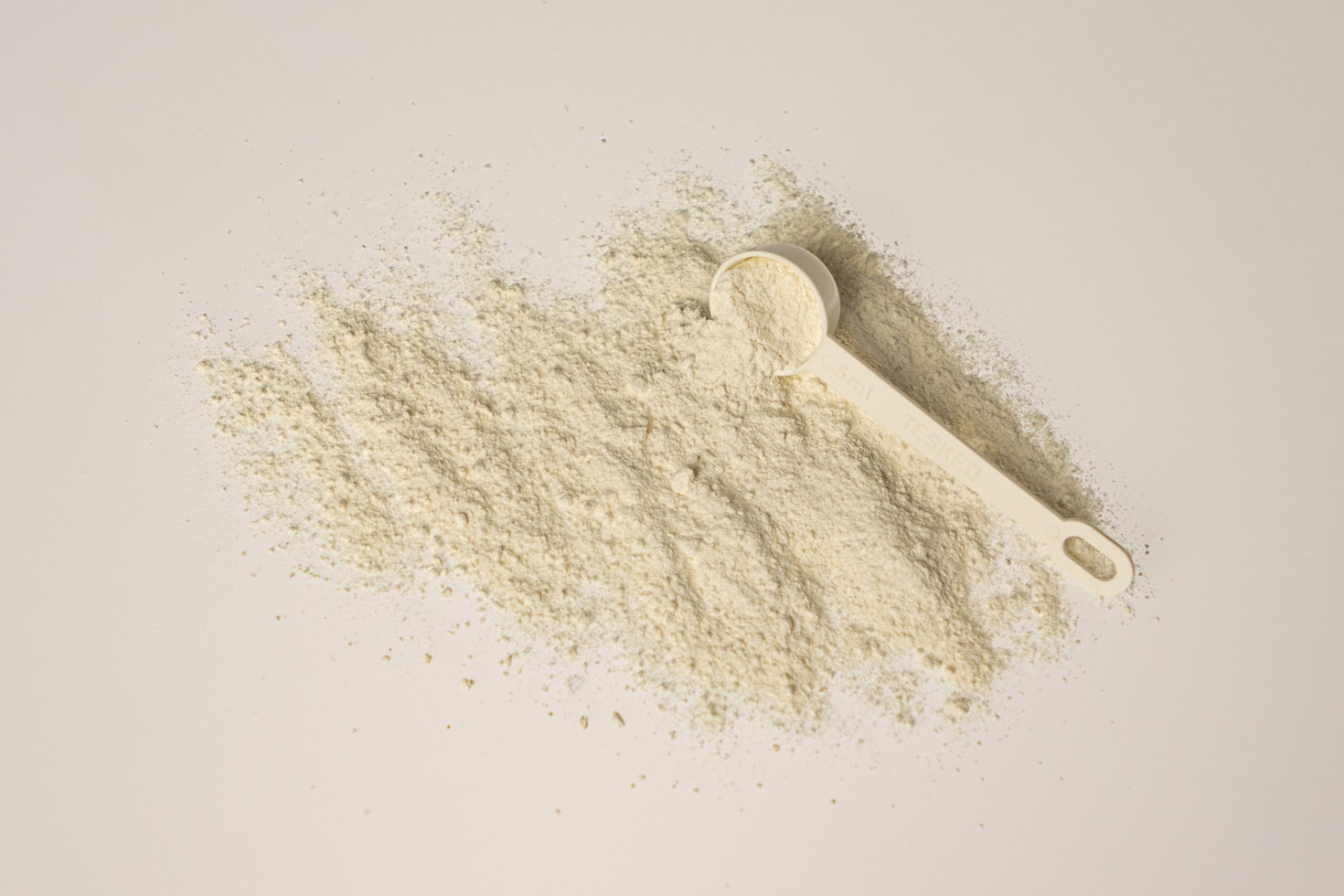
Garlic powder, like onion powder, is highly concentrated and often hidden in foods such as gravies, seasoning mixes and takeaway meals. Even a small sprinkle may equal a significant amount of fresh garlic. Repeated exposure over several days can be just as harmful as a single large dose. Dogs may not show symptoms immediately, so ingestion should always be taken seriously. Avoid all forms including granules, salt blends and dried mixes containing garlic.
Important: We do our best to ensure the information on this page is accurate and based on reputable animal health sources. However, this website is intended for general informational purposes only and the content has not been individually reviewed or approved by a veterinarian.
Every dog is different and reactions to foods can vary. If you have concerns about your dog’s diet or health, it is always best to speak with a qualified veterinarian.
If you believe any information on this page is incorrect or outdated, please let us know via our Contact Us page so we can review and update it.
Here are answers to some of common questions that dog owners ask about this food's safety and nutrition
No, garlic powder should never be fed daily or even occasionally. It is toxic to dogs and repeated small exposures can accumulate and damage red blood cells over time. Even if symptoms are not immediate, ongoing intake increases the risk of anaemia and serious health complications.

Dogs should not consume any amount of garlic powder. There is no safe serving size, and even small quantities can be harmful depending on your dog’s weight and sensitivity. Because powdered garlic is concentrated, a tiny pinch may equal a larger amount of fresh garlic.
If your dog eats garlic powder, contact your veterinarian promptly, especially if the amount is unknown. Do not wait for symptoms, as toxicity can develop gradually over several days. Provide details about the product and approximate quantity. Early veterinary advice improves outcomes and may prevent more serious complications.
Puppies are particularly vulnerable to garlic powder because of their small size and developing red blood cell systems. Even a trace amount mixed into food may represent a significant dose relative to body weight. Symptoms can appear subtle at first, such as reduced playfulness or pale gums. Avoid all seasoned foods when feeding puppies and ensure family members understand that leftover scraps containing garlic powder are unsafe. A simple rule is to keep puppy meals completely unseasoned.
Small dogs face a higher risk because toxic thresholds are reached quickly. A pinch of garlic powder dropped from a cooking spoon could be enough to cause harm in toy breeds. Because small dogs often receive table scraps, accidental exposure is common. Watch carefully for hidden ingredients in processed foods. Owners sometimes assume powdered seasoning is harmless, but its concentration makes it more dangerous than fresh garlic. Avoid seasoning entirely and stick to plain ingredients.
Older dogs may have reduced resilience to oxidative stress, which can worsen the effects of garlic toxicity. Seniors with underlying health issues such as kidney or heart disease may experience more severe complications if anaemia develops. Even minor exposure should be monitored closely. Some senior dogs also eat slower, increasing the chance of consuming seasoned leftovers from the floor. Keep feeding areas clean and avoid preparing seasoned meals near their food bowls.
Garlic powder does not provide any benefit for overweight dogs and should be completely avoided. Some owners mistakenly add garlic for flavour to encourage eating, but this introduces unnecessary risk. Weight management diets rely on balanced nutrition, and adding toxic seasoning undermines this approach. If appetite stimulation is needed, consider warm water over kibble or small amounts of dog safe vegetables instead. Never use garlic powder as a flavour enhancer.
Garlic contains thiosulfates which dogs cannot safely metabolise. These compounds cause oxidative damage to red blood cells, leading to their premature destruction. Powdered garlic is more concentrated than fresh garlic, meaning toxicity can occur with smaller amounts. Damage may develop gradually over several days, making it difficult to detect early. This can result in haemolytic anaemia, which may require veterinary treatment including fluids or blood transfusion in severe cases.
