
Yes. Polony is not toxic to dogs but it is highly processed and should only be given in very small amounts. It contains high salt and fat levels. Avoid regular feeding and never use as a staple.
Last updated:
March 23, 2026
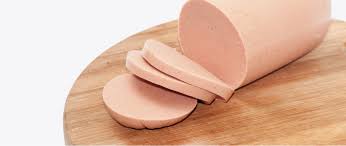
Polony is high in salt and fat so it should only be offered rarely. Avoid feeding to dogs with kidney issues, heart conditions, or pancreatitis risk. Check ingredient labels as some processed meats contain garlic or onion powder. Keep portions very small. Many owners use tiny cubes for training rewards, but frequent use can quickly add excess sodium to the diet. Always ensure fresh drinking water is available after feeding processed meats.
Important: We do our best to ensure the information on this page is accurate and based on reputable animal health sources. However, this website is intended for general informational purposes only and the content has not been individually reviewed or approved by a veterinarian.
Every dog is different and reactions to foods can vary. If you have concerns about your dog’s diet or health, it is always best to speak with a qualified veterinarian.
If you believe any information on this page is incorrect or outdated, please let us know via our Contact Us page so we can review and update it.
Here are answers to some of common questions that dog owners ask about this food's safety and nutrition
Dogs should not eat polony every day. While not toxic, its high salt and fat content makes it unsuitable for regular feeding. Daily consumption could contribute to weight gain and excessive sodium intake. If used, keep it as an occasional treat and rotate with healthier options such as lean meats or dog specific treats.

The amount of polony should be very small regardless of dog size. Extra small dogs may only need a few tiny pieces, while large dogs can have one or two thin slices occasionally. Because it is calorie dense, moderation is important. Cutting slices into small cubes helps control portions and prevents overfeeding.
If your dog eats too much polony, they may experience thirst, stomach upset, or diarrhea. Provide plenty of fresh water and return to their normal diet. Watch for vomiting or lethargy, especially in dogs sensitive to fatty foods. If symptoms persist or large amounts were consumed, contact your veterinarian for advice.
Puppies should only receive polony in extremely small amounts if at all. Their developing bodies are sensitive to high salt and fat foods. A tiny piece may be used occasionally for training, but healthier alternatives are preferable. Processed meats can displace more nutritious options. Because puppies are prone to digestive upset, even small amounts may cause loose stools. If used, cut into very small pieces and limit frequency.
Small dogs are more affected by the sodium content in processed meats like polony. Even one slice can be a significant portion for toy breeds. Tiny diced pieces are safer if used for training. Avoid feeding regularly as weight gain can occur quickly in small dogs. Choose leaner treats when possible. If a small dog consumes more than intended, ensure water is available and reduce other treats for the day.
Senior dogs often benefit from lower sodium diets, so polony is not ideal for regular feeding. Occasional tiny pieces may be tolerated, especially when hiding medication. However, older dogs with kidney or heart concerns should avoid processed meats. The soft texture is easy to chew, but the nutritional value is limited. If used, keep portions minimal and balance with healthier foods during the day.
Polony is not recommended for overweight dogs due to high fat and calorie content. Even small amounts can significantly increase daily intake. If used for training, cut into very tiny cubes to reduce calories. Lean protein treats or vegetables are better choices. Some owners reserve a very small piece for high value rewards, but it should remain rare to avoid slowing weight management progress.
