
Yes, dogs can eat halloumi in small amounts. It is not toxic but is very high in salt and fat. Only offer tiny portions and avoid regular feeding.
Last updated:
March 21, 2026
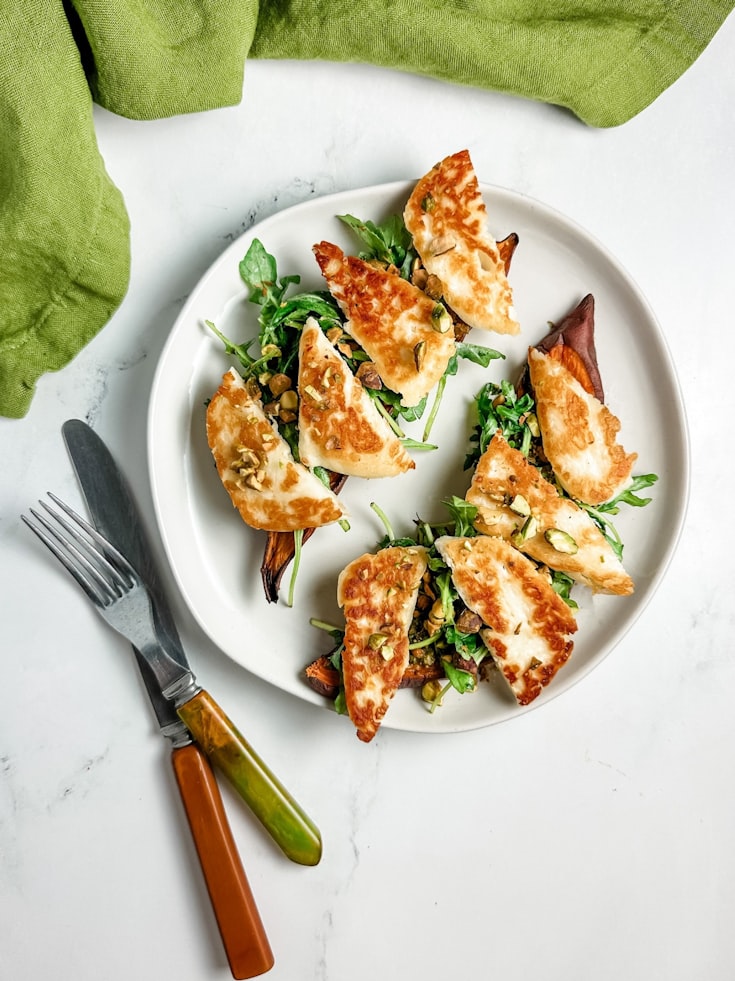
Halloumi is very high in salt which makes it unsuitable in large amounts. Always keep portions small and infrequent. Avoid flavoured versions that contain garlic or herbs. Some dogs are lactose intolerant and may experience digestive upset. Because it is dense and chewy, cut into small pieces to reduce choking risk. It is best treated as an occasional indulgence rather than a regular snack.
Important: We do our best to ensure the information on this page is accurate and based on reputable animal health sources. However, this website is intended for general informational purposes only and the content has not been individually reviewed or approved by a veterinarian.
Every dog is different and reactions to foods can vary. If you have concerns about your dog’s diet or health, it is always best to speak with a qualified veterinarian.
If you believe any information on this page is incorrect or outdated, please let us know via our Contact Us page so we can review and update it.
Here are answers to some of common questions that dog owners ask about this food's safety and nutrition
Dogs should not eat halloumi every day because of its high salt and fat levels. While it is not toxic, frequent feeding can lead to health issues over time such as weight gain or strain on the kidneys. It is best reserved for occasional use as a treat rather than a daily addition to meals.

The amount of halloumi a dog can eat depends on their size, but portions should always be small. Even for large dogs, only a few small cubes are appropriate. It should never replace part of their main meal and should be balanced within their daily calorie intake. When in doubt, less is always better with salty foods.
If your dog eats too much halloumi, provide fresh water and monitor for signs like excessive thirst, vomiting, or diarrhoea. The high salt and fat content can cause discomfort or digestive upset. In more serious cases, especially with large amounts, contact your vet for guidance to ensure your dog remains well hydrated and stable.
Puppies have sensitive stomachs and do not need salty dairy products like halloumi. Even small amounts may lead to loose stools or discomfort. While a tiny piece is unlikely to cause harm, it should not be part of their routine diet. Focus on balanced puppy food that supports growth. If offered, it should be rare, plain, and in very small pieces to avoid digestive issues.
Small dogs can be more affected by salt and fat, so even a small cube of halloumi can be significant. Keep portions extremely small and avoid frequent feeding. Watch for signs like increased thirst or soft stools after eating. Because of its rich taste, it can be tempting to overfeed, so measure portions carefully and treat it as an occasional reward.
Senior dogs may have reduced kidney function and may be more sensitive to high sodium foods like halloumi. Regular feeding can place unnecessary strain on their system. If given, offer only a very small amount and ensure it is plain. Many senior dogs do better with lower fat and lower salt treats, so consider simpler alternatives for regular use.
Halloumi is not a good option for overweight dogs due to its high calorie and fat content. Even small amounts can quickly add to daily calorie intake. If used at all, keep portions tiny and infrequent. Lean protein treats or vegetables are usually better suited for weight control. Avoid using halloumi as a regular training reward for dogs on a diet.
