
Yes. Dogs can eat plain omelette in small amounts. Cooked eggs provide protein and nutrients but added ingredients can cause problems. Avoid onion, garlic, salt, butter and cheese which may upset digestion or be harmful.
Last updated:
April 8, 2026
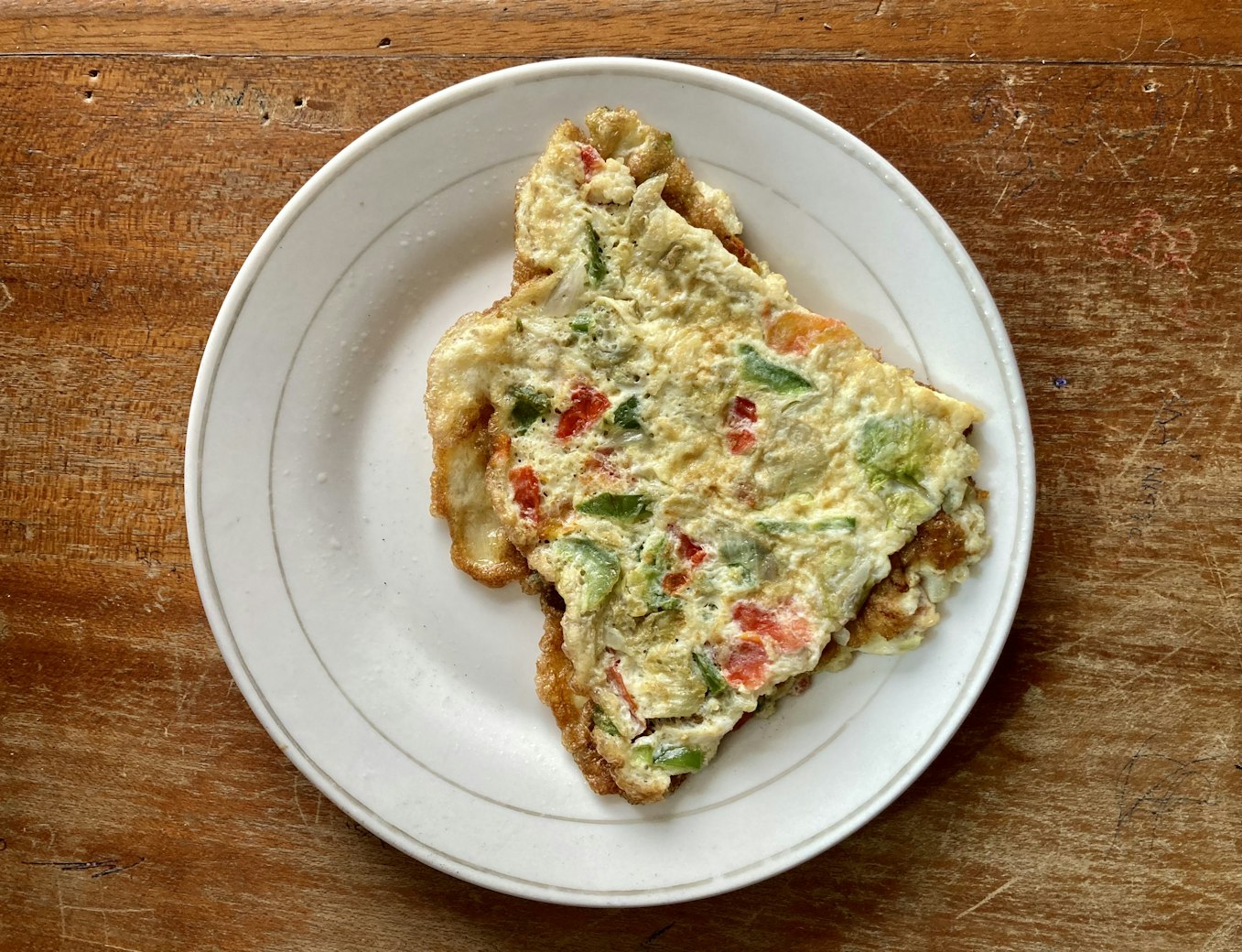
Plain omelette is safest. Many household omelettes include onion or garlic which are toxic to dogs. Avoid butter and oil which increase fat content. Cheese may cause digestive upset in lactose sensitive dogs. Salt and seasoning should not be added. If cooking for your dog, prepare a separate small portion before adding ingredients for the family. Some dogs find the soft texture of egg appealing which can make it useful for hiding medication or training.
Important: We do our best to ensure the information on this page is accurate and based on reputable animal health sources. However, this website is intended for general informational purposes only and the content has not been individually reviewed or approved by a veterinarian.
Every dog is different and reactions to foods can vary. If you have concerns about your dog’s diet or health, it is always best to speak with a qualified veterinarian.
If you believe any information on this page is incorrect or outdated, please let us know via our Contact Us page so we can review and update it.
Here are answers to some of common questions that dog owners ask about this food's safety and nutrition
Dogs can eat plain omelette occasionally but it is not ideal as a daily addition. While eggs contain useful nutrients, regular feeding can add excess calories and fat, especially if portions are not carefully measured. A better approach is to offer small amounts once or twice a week as a topper, ensuring the main diet remains nutritionally complete and balanced for your dog’s size and activity level.

The right amount depends on your dog’s weight and overall diet. Extra small dogs should only have a teaspoon or two, while large breeds can handle a few tablespoons or up to a quarter of a plain omelette. Keep it plain and factor it into daily calories. If your dog already receives treats, reduce those slightly to avoid overfeeding when adding omelette.
If your dog eats too much omelette, watch for signs like vomiting, diarrhoea or lethargy, especially if butter or cheese was included. Offer fresh water and return to their normal diet at the next meal. Most mild cases settle quickly, but contact your vet if symptoms persist or your dog seems uncomfortable. Dogs prone to pancreatitis may need veterinary advice sooner.
Puppies can eat small amounts of plain omelette occasionally, but it should not replace balanced puppy food. Their nutritional needs are very specific during growth, and too much egg based food may disrupt calcium and energy balance. Keep portions tiny and introduce slowly to check tolerance. Avoid feeding omelette with milk or cheese as puppies are more prone to digestive upset. A small piece as a training reward works better than offering it as a full snack.
Small dogs can handle omelette well because of the soft texture, but the calories add up quickly. Even a few tablespoons can represent a meaningful portion of their daily intake. Stick to plain cooked egg without added fats and cut into tiny pieces. Some small breeds are prone to pancreatitis so lean preparation is important. Mixing a small amount into regular food is often better than serving it on its own.
Older dogs may benefit from omelette because it is easy to chew and digest, especially if dental issues are present. The protein content helps maintain muscle mass, but the fat level should still be considered for seniors with reduced activity. Keep portions modest and avoid added ingredients. For dogs with kidney or liver conditions, check with a veterinarian before feeding regularly as protein adjustments may be required.
For overweight dogs, omelette should be treated as an occasional topper rather than a snack. Eggs contain valuable nutrients but are relatively calorie dense. Choose dry pan cooking with no oil and offer only a small spoonful mixed through their regular food. This keeps the flavour without significantly increasing energy intake. It can be useful to make lower calorie meals more appealing without adding processed treats.
