
No. Dogs should not eat onions. Onions are toxic to dogs because they can damage red blood cells and lead to a form of anemia. Even small amounts can cause illness so onions should always be kept away from dogs and veterinary advice should be sought if a dog eats them.
Last updated:
March 21, 2026
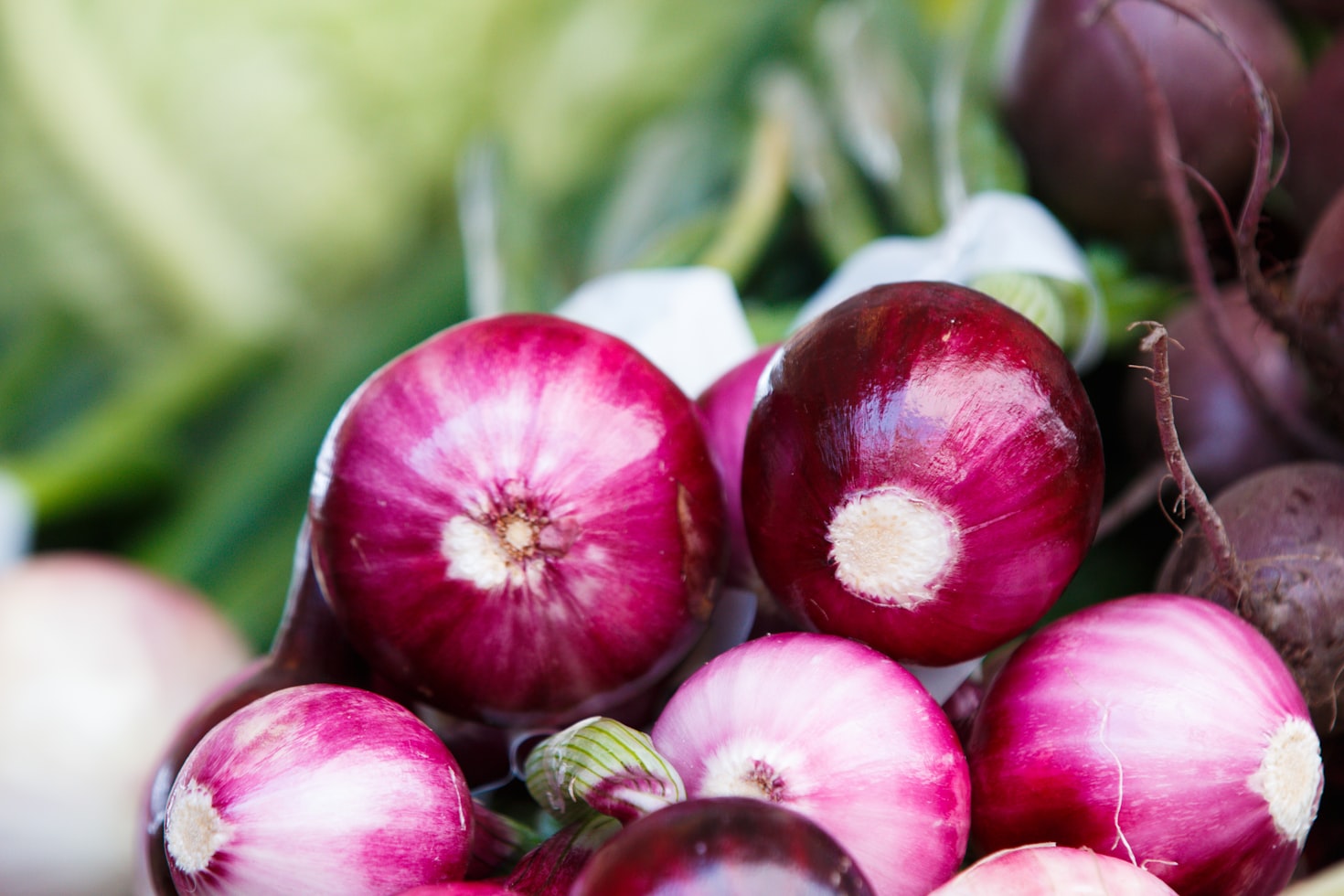
Onions are toxic to dogs whether they are raw cooked fried dried or powdered. Foods such as gravies soups takeaway meals and processed snacks often contain onion powder which is also dangerous. Because the toxic compounds can build up in the body repeated small exposures may still cause illness over time. Dog owners should carefully check ingredients and avoid feeding table scraps that may contain onion.
Important: We do our best to ensure the information on this page is accurate and based on reputable animal health sources. However, this website is intended for general informational purposes only and the content has not been individually reviewed or approved by a veterinarian.
Every dog is different and reactions to foods can vary. If you have concerns about your dog’s diet or health, it is always best to speak with a qualified veterinarian.
If you believe any information on this page is incorrect or outdated, please let us know via our Contact Us page so we can review and update it.
Here are answers to some of common questions that dog owners ask about this food's safety and nutrition
No dogs should never eat onions every day or at any time. Onions are toxic to dogs and can damage red blood cells which may lead to anemia and serious illness. Because even small amounts can be harmful veterinarians recommend avoiding onions completely in a dog diet.

Dogs should not eat any amount of onion. Even small quantities of raw cooked or powdered onion can be dangerous depending on the dog size and sensitivity. Because toxicity can occur from foods that contain onion powder veterinarians advise keeping onions and onion based foods completely out of a dog diet.
If your dog eats onions contact your veterinarian or an emergency animal clinic as soon as possible. Do not wait for symptoms to appear because poisoning can develop over time as red blood cells become damaged. Early veterinary care may involve monitoring blood health inducing vomiting or providing supportive treatment depending on the amount eaten.
Puppies are especially vulnerable to onion poisoning because their small body weight means even a tiny amount can cause toxic exposure. Young dogs also tend to explore food scraps and dropped ingredients while owners are cooking. Onions should always be kept well out of reach in homes with puppies. Because the toxic effect damages red blood cells veterinary advice should be sought immediately if a puppy eats onions or foods containing onion powder.
Small dogs are at greater risk from onion poisoning because the toxic dose relative to body weight is reached more quickly. Even a small piece of onion or a portion of food containing onion powder can lead to symptoms. Owners of small breeds should take extra care with leftovers takeaway meals and seasoned foods which often contain onion ingredients. If a small dog consumes onion veterinary advice should be sought as soon as possible.
Senior dogs may be more sensitive to onion toxicity particularly if they already have underlying health conditions. Because onion poisoning affects red blood cells older dogs may become weak or lethargic more quickly than younger animals. Many senior dogs also recover more slowly from illness. For these reasons onions should always be kept out of reach and any suspected ingestion should be discussed with a veterinarian promptly.
For overweight dogs onions remain completely unsafe and should never be used as a treat. Although onions are low in calories the toxic compounds make them dangerous regardless of a dog weight or diet goals. Owners who want healthy low calorie treats for overweight dogs should consider safe options such as carrot slices cucumber or small portions of pumpkin instead of human foods that may contain onion.
Onions contain sulfur based compounds known as thiosulfates that can damage a dog red blood cells. When these cells break down faster than the body can replace them the dog can develop hemolytic anemia which reduces the ability of the blood to carry oxygen. This can lead to weakness pale gums and breathing difficulties. Dogs are particularly sensitive to these compounds and toxicity can occur after eating raw cooked dried or powdered onion.
