
Yes, dogs can eat sweet potatoes. When cooked and served plain they provide fibre, vitamins, and slow release carbohydrates that can support digestion and energy levels. They must always be cooked and served without seasoning because raw sweet potato can be difficult for dogs to digest.
Last updated:
March 25, 2026
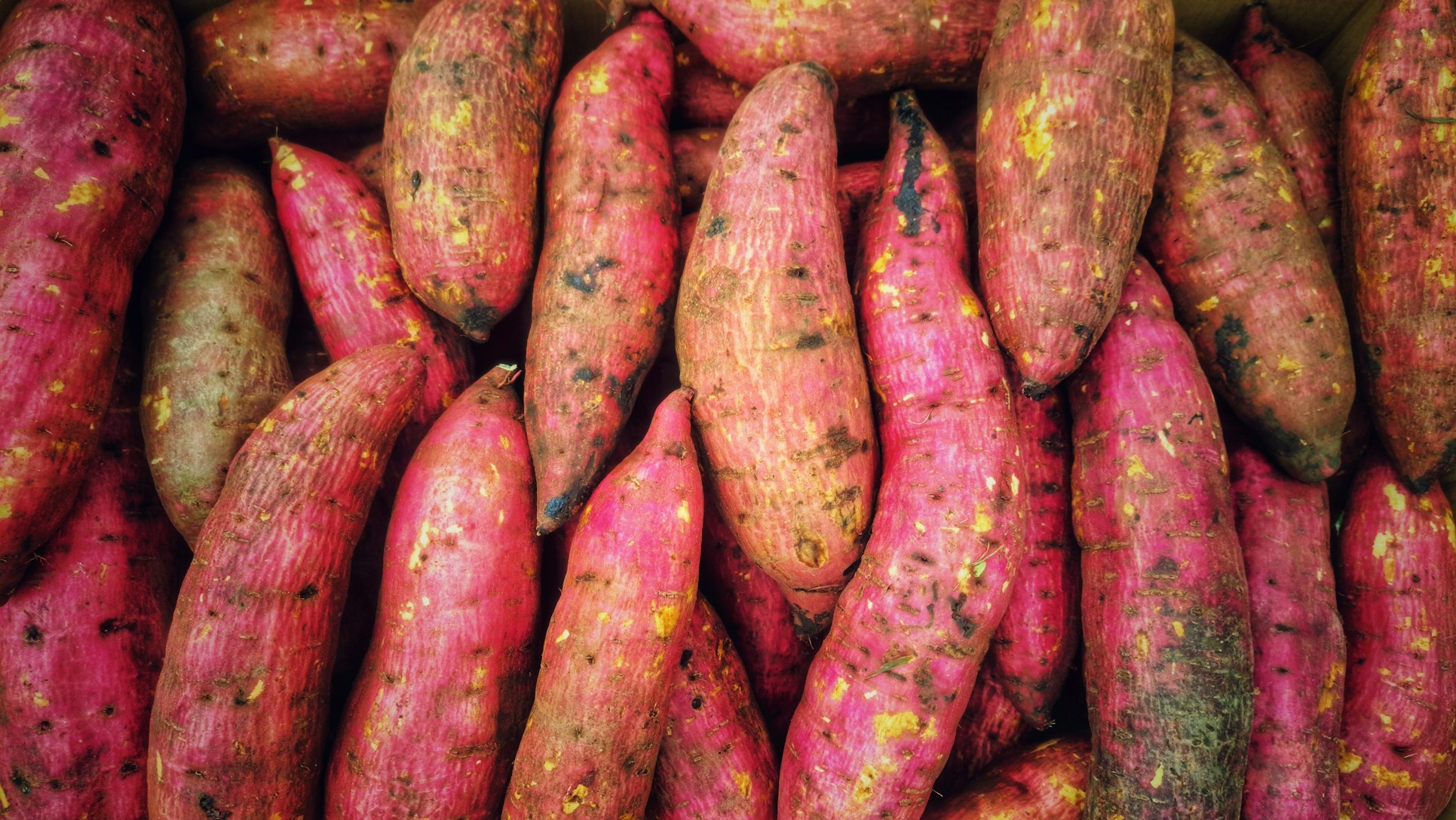
Sweet potatoes should always be cooked before feeding them to dogs because raw sweet potato is harder to digest. Avoid adding butter, oils, salt, seasonings, gravy, garlic and onion when preparing them for pets. Canned sweet potato products or sweet potato dishes made for humans may contain added sugar or spices which are not suitable for dogs. Portion size should remain moderate since sweet potatoes contain carbohydrates that can add extra calories.
Important: We do our best to ensure the information on this page is accurate and based on reputable animal health sources. However, this website is intended for general informational purposes only and the content has not been individually reviewed or approved by a veterinarian.
Every dog is different and reactions to foods can vary. If you have concerns about your dog’s diet or health, it is always best to speak with a qualified veterinarian.
If you believe any information on this page is incorrect or outdated, please let us know via our Contact Us page so we can review and update it.
Here are answers to some of common questions that dog owners ask about this food's safety and nutrition
Dogs can eat sweet potatoes regularly in small amounts as long as they are cooked and served plain. They provide fibre and vitamins that can complement a balanced dog diet. However they should not replace nutritionally complete dog food and should only make up a small portion of the overall daily calories.

The amount of sweet potato a dog can eat depends mainly on their size and activity level. Small dogs may only need a few cubes while larger dogs can handle a couple of tablespoons mixed into their food. Sweet potatoes should always be considered a treat or meal topper rather than a main ingredient in the diet.
If your dog eats too much sweet potato they may develop digestive upset such as gas, bloating, or diarrhoea due to the high fibre content. Most cases improve once the digestive system processes the excess food. Offer fresh water and monitor your dog for ongoing symptoms. If vomiting, severe diarrhoea, or unusual behaviour occurs it is best to contact your veterinarian for advice.
Puppies can eat small amounts of cooked sweet potato once they are eating solid food regularly. The soft texture makes it easy to chew and digest when properly cooked. Because puppies need balanced nutrition for growth, sweet potato should only be offered as an occasional treat rather than a regular meal ingredient. Start with a small portion and watch for digestive changes such as loose stools when introducing any new food.
Small dogs can enjoy sweet potato as a treat but portion size should be carefully controlled. Their calorie needs are lower and carbohydrate rich foods can add up quickly if given too often. A few small cubes mixed with regular food can be enough to provide flavour and variety. Always serve sweet potato plain and cooked to avoid digestive upset.
Senior dogs may benefit from the fibre and vitamins found in sweet potatoes, particularly if they need gentle digestive support. The soft texture can also be easier for older dogs that may have dental wear or chewing difficulties. However older dogs sometimes have reduced activity levels so portion size should remain moderate to avoid unnecessary weight gain.
Sweet potatoes can be included occasionally in the diet of an overweight dog but the portion should remain small. While they are nutritious they still contain carbohydrates that contribute calories. For dogs that need to lose weight it is best to offer very small pieces and balance them with a healthy diet and regular exercise. Using sweet potato as a replacement for high fat treats may be a better option.
