
Yes, dogs can eat prawns. Plain cooked prawns are generally safe for dogs and provide protein, vitamins, and minerals. However they must always be fully cooked and served without shells, seasoning, garlic, or sauces which may be harmful to dogs.
Last updated:
March 19, 2026
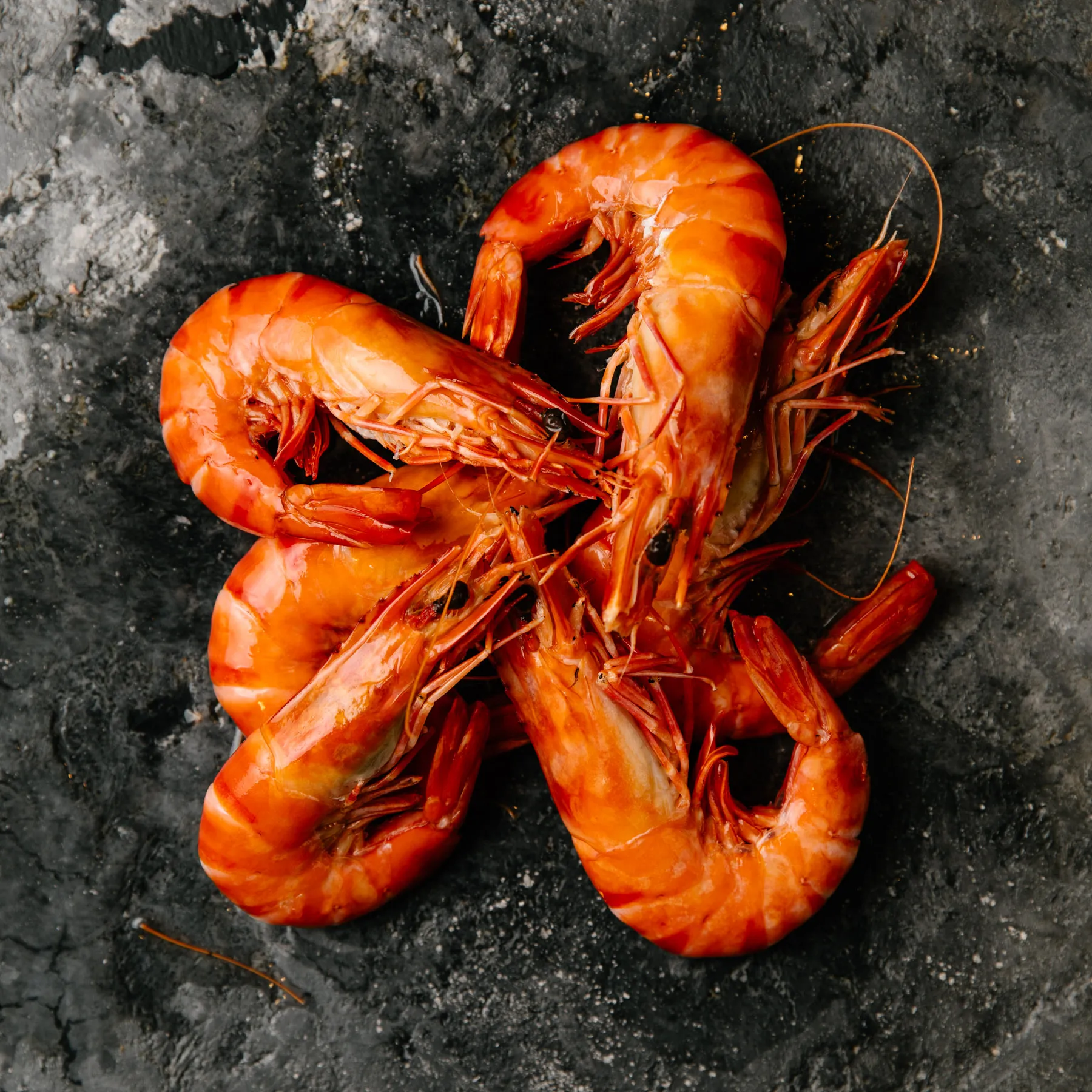
Prawns should always be fully cooked before feeding to dogs because raw seafood may contain bacteria that cause digestive illness. Remove shells and tails as they are hard to digest and can create a choking risk. Avoid prawns cooked with garlic, onion, butter, or sauces. Introduce prawns slowly the first time to watch for any signs of seafood allergy or digestive upset.
Important: We do our best to ensure the information on this page is accurate and based on reputable animal health sources. However, this website is intended for general informational purposes only and the content has not been individually reviewed or approved by a veterinarian.
Every dog is different and reactions to foods can vary. If you have concerns about your dog’s diet or health, it is always best to speak with a qualified veterinarian.
If you believe any information on this page is incorrect or outdated, please let us know via our Contact Us page so we can review and update it.
Here are answers to some of common questions that dog owners ask about this food's safety and nutrition
Dogs can eat prawns but they are best served occasionally rather than every day. While prawns provide lean protein and useful nutrients they should not replace a complete and balanced dog food diet. Feeding them too often could add unnecessary calories or cause digestive upset in sensitive dogs. Most veterinarians recommend offering small portions as a treat or meal topper a few times a week rather than as a daily food.

The amount of prawn a dog can eat depends on their size and overall diet. Extra small dogs may only need half a prawn while large dogs can safely enjoy a few pieces mixed into their food. Always remove the shell and tail and cook the prawn without seasoning. Keeping the portion small ensures your dog receives the nutritional benefit without excess calories.
If your dog eats too many prawns they may develop mild digestive upset such as vomiting, diarrhoea, or stomach discomfort. In most cases symptoms settle within a day once the digestive system clears the excess food. Make sure your dog has access to fresh water and monitor their behaviour. If symptoms continue, worsen, or your dog shows signs of an allergic reaction it is best to contact your veterinarian.
Puppies can eat a very small amount of plain cooked prawn as an occasional treat once they are established on a balanced puppy diet. Prawns contain protein and important nutrients but they should never replace a complete puppy food which provides carefully balanced nutrition. The prawn must be fully cooked, peeled, and cut into tiny pieces to prevent choking. Introduce slowly and monitor for any digestive upset or signs of food sensitivity.
Small dogs can safely enjoy prawns when served in very small portions. Because of their smaller body size even a single prawn may represent a significant treat portion. Prawns should always be peeled and cut into tiny pieces before feeding to avoid choking. Plain cooked prawns without salt or sauces are the safest option. Offering them occasionally as a meal topper is usually better than feeding them as a stand alone snack.
Senior dogs may enjoy prawns as a soft and tasty protein source when they are fully cooked and prepared properly. The lean protein can help support muscle maintenance in older dogs while selenium and vitamin B12 support overall health. Because some senior dogs have sensitive digestion it is best to introduce prawns slowly and keep the portion small. Always remove shells and avoid rich seasonings or oils.
Prawns can be a suitable occasional treat for overweight dogs because they are relatively low in fat compared with many other protein foods. However they still contain calories and should be included within the dog’s daily calorie allowance. Offering a small chopped prawn mixed into regular food can add flavour without significantly increasing energy intake. Avoid butter or oils when preparing prawns for dogs that need to manage their weight.
