
Yes, dogs can eat rabbit. Rabbit is a lean protein that provides important nutrients and is commonly used in some dog foods. It should always be served plain and fully cooked without seasoning because added salt, garlic, or onion based ingredients can be harmful to dogs.
Last updated:
March 25, 2026
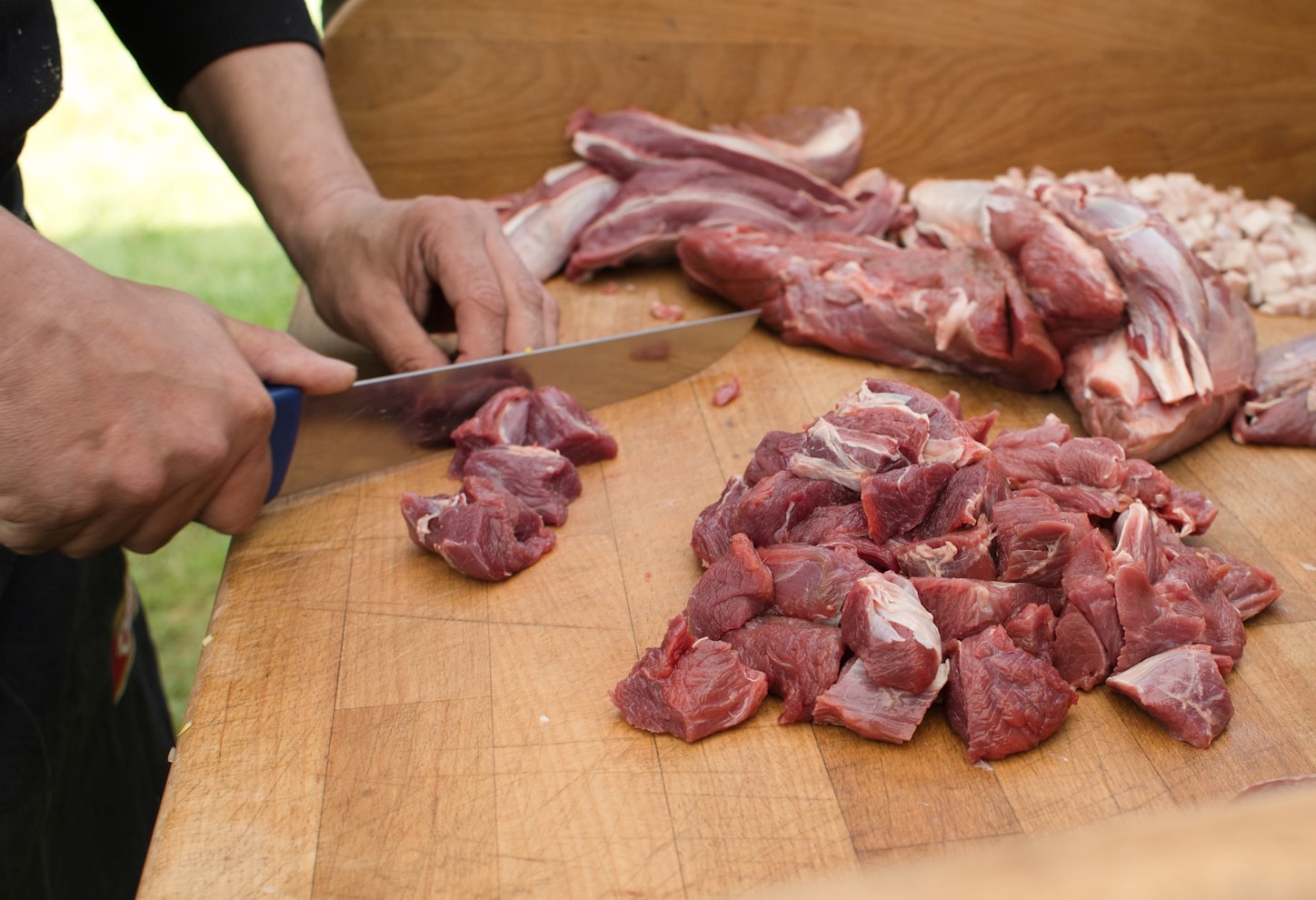
Rabbit should always be served plain and fully cooked to reduce the risk of bacteria or parasites. Avoid seasoning, marinades, or sauces that contain garlic or onion. Rabbit bones should never be given to dogs if they have been cooked because they can splinter and cause internal injury. If your dog has never eaten rabbit before introduce it slowly so you can monitor for any digestive sensitivity.
Important: We do our best to ensure the information on this page is accurate and based on reputable animal health sources. However, this website is intended for general informational purposes only and the content has not been individually reviewed or approved by a veterinarian.
Every dog is different and reactions to foods can vary. If you have concerns about your dog’s diet or health, it is always best to speak with a qualified veterinarian.
If you believe any information on this page is incorrect or outdated, please let us know via our Contact Us page so we can review and update it.
Here are answers to some of common questions that dog owners ask about this food's safety and nutrition
Dogs can eat rabbit regularly if it is included as part of a balanced diet but it should not replace a complete dog food. While rabbit provides high quality protein and nutrients it does not contain all the vitamins and minerals dogs need on its own. Plain cooked rabbit can be used as a small topper or occasional treat as long as it is served without seasoning and in moderate portions.

The amount of rabbit a dog can eat depends on their size and the rest of their diet. Most dogs only need a few small pieces of plain cooked rabbit as a treat. Larger dogs may handle a small handful while smaller dogs should only have a teaspoon or two. Because rabbit is protein rich it is best offered in moderation alongside a balanced dog food.
If your dog eats too much rabbit they may develop mild digestive upset such as vomiting or diarrhoea due to the sudden increase in protein. Provide access to fresh water and monitor your dog for signs of discomfort. If the rabbit was cooked with seasoning, onion, or garlic it is best to contact a veterinarian for advice. Plain rabbit usually causes only temporary stomach upset when eaten in excess.
Puppies can eat small amounts of plain cooked rabbit once they are established on a balanced puppy diet. Because puppies need carefully balanced nutrition for growth rabbit should only be offered as an occasional treat rather than a main food source. Introduce it slowly and serve very small pieces to prevent digestive upset. Always ensure the meat is fully cooked and free from seasoning, salt, or sauces before feeding it to a puppy.
Small dogs can enjoy lean proteins like rabbit but portion control is important because their calorie needs are lower than larger breeds. Offer rabbit in small diced pieces and only occasionally as a treat. The meat should always be plain and cooked without salt, garlic, onion, or sauces. Introducing rabbit slowly helps ensure your dog tolerates the protein well without digestive upset.
Senior dogs may benefit from lean proteins that support muscle maintenance without adding excess fat to the diet. Rabbit can be a suitable option when served in small portions and cooked plainly. Older dogs sometimes have more sensitive digestion so it is best to introduce new foods gradually and monitor how they respond. Avoid fatty cuts and never add seasoning or sauces that could irritate the digestive system.
Rabbit is naturally lean which can make it a better protein option for overweight dogs compared with fattier meats. Even so portion control remains important because extra calories from treats can slow weight loss. Offer small pieces of plain cooked rabbit occasionally rather than large servings. Maintaining a balanced diet and regular exercise routine is still the most important factor for managing a dog’s weight.
