
Yes, dogs can eat plain potato chips in very small amounts but they are not recommended. Chips are high in salt, fat and calories which are not healthy for dogs. Flavoured chips may contain ingredients like onion or garlic powder that can be harmful so they should generally be avoided.
Last updated:
March 22, 2026
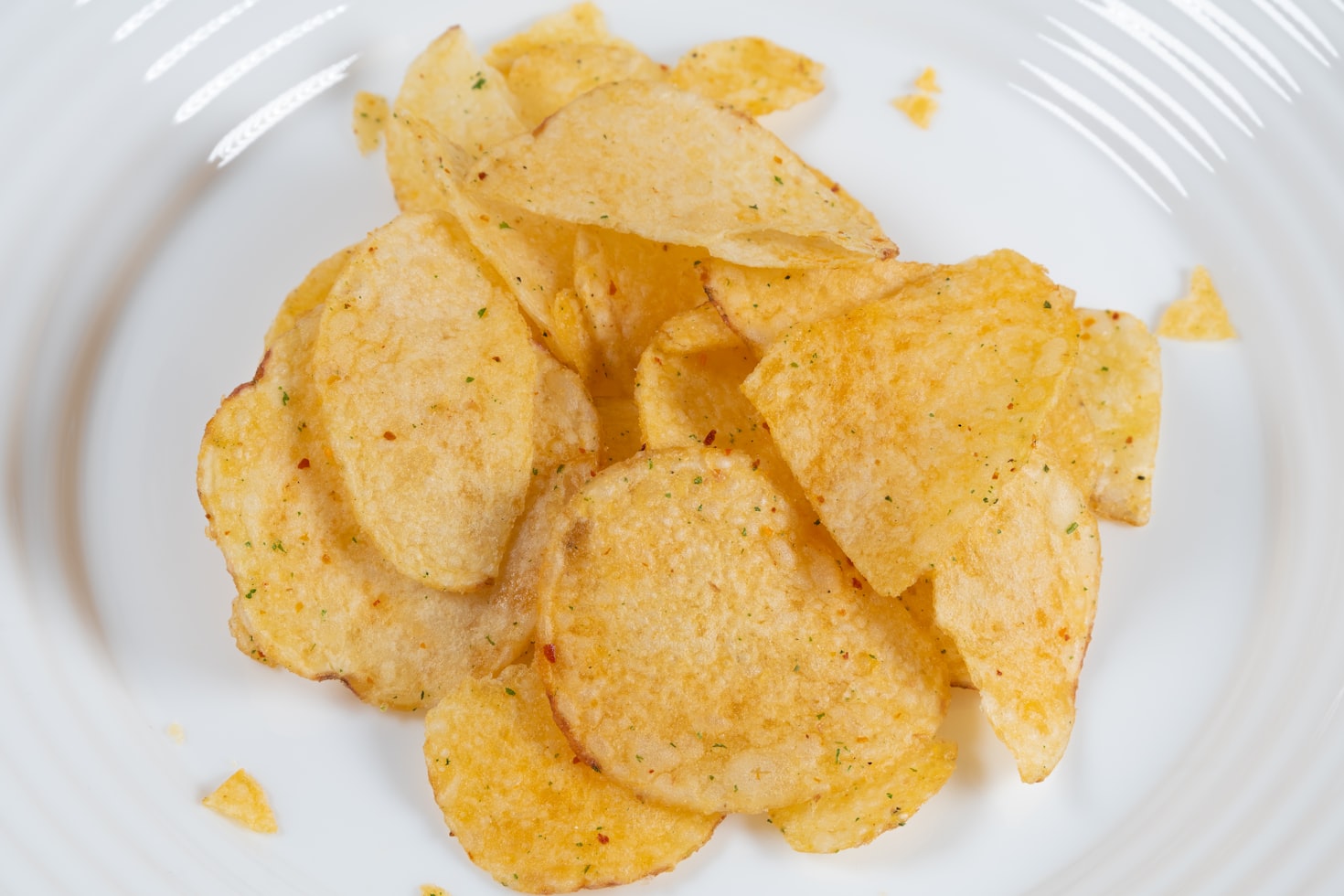
Most chips sold for people contain high levels of salt and oil which are not healthy for dogs. Many varieties include flavourings such as onion powder or garlic powder which can be harmful. Chips should never be a regular snack for dogs. If you want to share potato with your dog it is safer to offer a small amount of plain cooked potato instead of fried chips. Puppies and dogs with health issues should avoid salty processed foods.
Important: We do our best to ensure the information on this page is accurate and based on reputable animal health sources. However, this website is intended for general informational purposes only and the content has not been individually reviewed or approved by a veterinarian.
Every dog is different and reactions to foods can vary. If you have concerns about your dog’s diet or health, it is always best to speak with a qualified veterinarian.
If you believe any information on this page is incorrect or outdated, please let us know via our Contact Us page so we can review and update it.
Here are answers to some of common questions that dog owners ask about this food's safety and nutrition
Dogs should not eat chips every day. Chips are high in salt and fat and do not provide the balanced nutrients dogs need for good health. Eating chips regularly can contribute to weight gain and may increase the risk of digestive upset. If your dog happens to get a small plain chip occasionally it is unlikely to cause harm, but healthier treats are a much better choice for regular rewards.

The amount of chips a dog can eat safely is very small because of the salt and fat content. For most dogs this means only one or two plain chips at most. Larger dogs may tolerate a few more but it should still be rare. Chips should never replace normal dog food or healthy treats. If your dog enjoys potatoes it is much safer to offer a small piece of plain cooked potato instead.
If your dog eats a large number of chips they may experience vomiting, diarrhoea or excessive thirst due to the salt and fat content. Provide fresh water and monitor your dog closely. Mild stomach upset often resolves within a day, but large amounts of salty foods can lead to more serious problems. If your dog shows weakness, severe vomiting or unusual behaviour it is best to contact your veterinarian for advice.
Puppies should generally avoid chips because their developing digestive systems are sensitive to salty and fatty foods. While a tiny crumb is unlikely to cause harm, chips provide no nutritional value for growing dogs. Puppies need balanced meals designed for growth and development rather than processed snack foods. If you want to give a treat it is better to choose healthy options such as small pieces of dog safe fruits or vegetables.
Small dogs are particularly sensitive to salty foods because their bodies are much smaller. Even a few chips can represent a significant amount of sodium for a toy breed. If a small dog eats too many chips they may become very thirsty or develop stomach upset. It is best to avoid chips altogether for small breeds or offer only a tiny plain piece very rarely.
Senior dogs often benefit from lower salt diets to support heart and kidney health. Chips are usually high in sodium and fat which can make them unsuitable for older dogs. While a very small plain chip on a rare occasion is unlikely to cause harm, regular feeding can contribute to weight gain and other health issues. Healthier treats such as lean meat or dog safe vegetables are usually a better option for older pets.
Overweight dogs should not be given chips because they are high in fat and calories with very little nutritional value. Regular treats like this can quickly increase daily calorie intake and make weight management more difficult. Even a small number of chips can add unnecessary fat and salt to the diet. Owners working on weight loss should focus on low calorie treats or vegetables instead.
