
Yes, dogs can eat rambutan flesh in small amounts. The soft fruit is not toxic and contains vitamins and hydration benefits. However the seed and skin must always be removed as they can be harmful or cause choking.
Last updated:
March 21, 2026
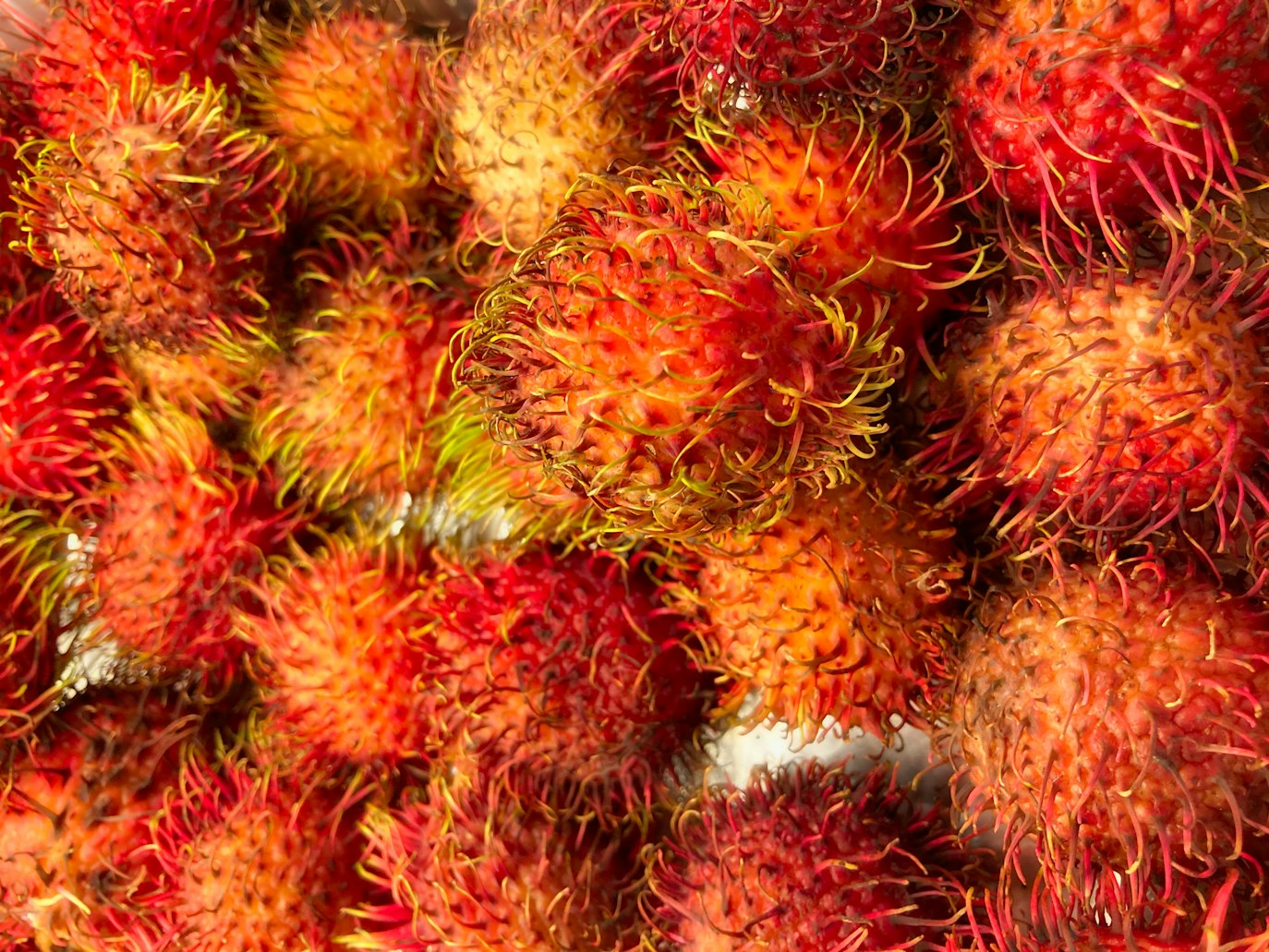
Only the soft inner flesh of rambutan is safe for dogs. The seed must always be removed as it may contain harmful compounds and poses a choking risk. The skin is tough and not digestible. Because of the sugar content rambutan should only be offered occasionally. Always introduce new fruits slowly and watch for signs of digestive upset.
Important: We do our best to ensure the information on this page is accurate and based on reputable animal health sources. However, this website is intended for general informational purposes only and the content has not been individually reviewed or approved by a veterinarian.
Every dog is different and reactions to foods can vary. If you have concerns about your dog’s diet or health, it is always best to speak with a qualified veterinarian.
If you believe any information on this page is incorrect or outdated, please let us know via our Contact Us page so we can review and update it.
Here are answers to some of common questions that dog owners ask about this food's safety and nutrition
Dogs should not eat rambutan every day. While the flesh is safe it contains natural sugars and fibre that can upset digestion if fed too often. It is best treated as an occasional snack rather than a regular part of a dog’s diet.

The amount of rambutan a dog can eat depends on their size but it should always be limited to small portions of the peeled flesh. A few small pieces are enough for most dogs. Larger amounts may lead to digestive upset due to sugar and fibre content.
If your dog eats too much rambutan monitor them for signs of stomach upset such as diarrhoea or vomiting. Ensure they have access to fresh water and avoid giving more fruit until they recover. If your dog has eaten the seed or shows ongoing symptoms contact a veterinarian for advice.
Puppies can have a very small amount of rambutan flesh once they are used to solid foods but it should be introduced with care. Their digestive systems are still developing so too much fruit can lead to loose stools. Always remove the seed and skin and keep portions tiny. A complete puppy diet should remain the priority for proper growth and nutrition.
Small dogs can enjoy rambutan in tiny portions but care is needed due to their size. Even a small excess can cause stomach upset. Seeds must always be removed as they present a choking hazard. Cut the fruit into very small pieces and introduce it gradually to avoid digestive issues.
Senior dogs may benefit from the soft texture of rambutan which is easy to chew. The fruit contains antioxidants that can support general health. However the natural sugar content means it should only be offered occasionally. Older dogs with sensitive digestion should be monitored when trying new foods.
Rambutan contains natural sugars so it should be limited for overweight dogs. While it is not very high in calories it can still contribute to excess energy intake if fed often. Small occasional portions may be acceptable but lower calorie vegetables are usually a better treat option for weight control.
