
Yes, dogs can eat small amounts of sugar but it is not recommended. Sugar provides no nutritional benefit and frequent intake can lead to weight gain and dental issues. Avoid foods containing added sugar or artificial sweeteners.
Last updated:
March 23, 2026
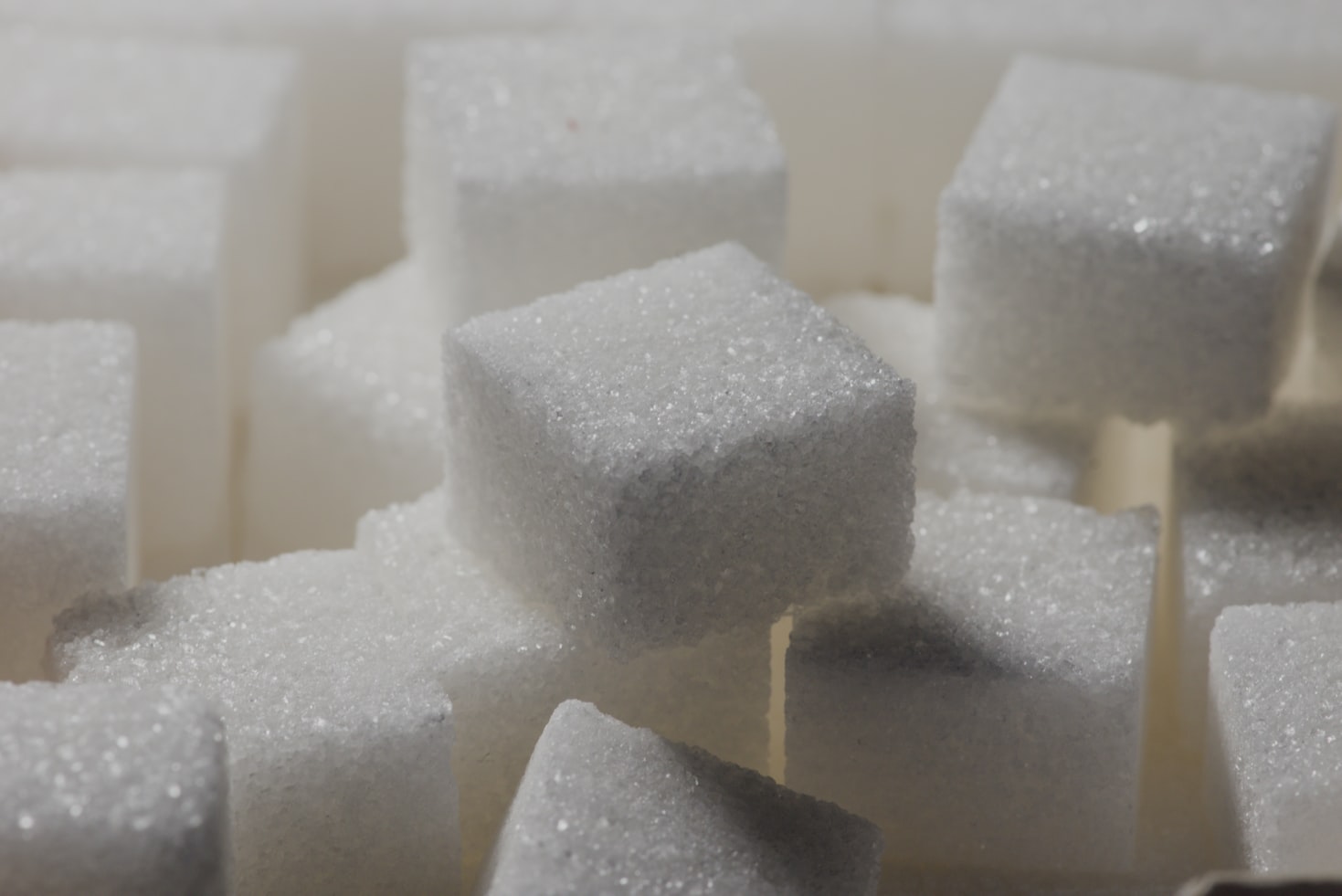
Sugar itself is not toxic but contributes empty calories and can quickly affect a dog’s overall health. Regular exposure may lead to obesity, dental problems, and metabolic issues. Many sugary foods also contain ingredients like chocolate, raisins, or artificial sweeteners which are dangerous for dogs. It is best to avoid offering sugar directly and instead choose natural treats such as small pieces of fruit.
Important: We do our best to ensure the information on this page is accurate and based on reputable animal health sources. However, this website is intended for general informational purposes only and the content has not been individually reviewed or approved by a veterinarian.
Every dog is different and reactions to foods can vary. If you have concerns about your dog’s diet or health, it is always best to speak with a qualified veterinarian.
If you believe any information on this page is incorrect or outdated, please let us know via our Contact Us page so we can review and update it.
Here are answers to some of common questions that dog owners ask about this food's safety and nutrition
Dogs should not eat sugar every day. While a small amount is not toxic, daily intake can lead to weight gain, dental issues, and poor dietary habits. Dogs do not need sugar in their diet, and frequent exposure may encourage preference for sweet foods. It is better to reserve sweet flavours for natural options like fruit in moderation rather than refined sugar.

The amount of sugar a dog can eat should be extremely limited. In most cases, it is best to avoid offering it altogether. If a dog accidentally consumes a small amount, it is usually not harmful. Larger portions can add significant calories quickly, especially for small breeds. Keeping intake minimal helps protect dental health and reduces the risk of obesity.
If your dog eats too much sugar, they may experience mild stomach upset or increased thirst. Provide fresh water and avoid additional treats that day. Monitor for vomiting or diarrhoea, which usually resolves on its own. If the sugar came from desserts or baked goods, check for harmful ingredients such as chocolate or artificial sweeteners. Contact your vet if symptoms persist or if your dog consumed a large quantity.
Puppies do not benefit from sugar and it can interfere with healthy growth habits. Their developing teeth are also more vulnerable to damage from sugary foods. Even small amounts can encourage preference for sweet flavours which may lead to picky eating later. Puppies should receive balanced nutrition from appropriate food rather than sugary extras. If a puppy licks a small amount accidentally, it is usually not harmful, but repeated exposure should be avoided to support long term health.
Small dogs are particularly sensitive to the calorie impact of sugar. A tiny amount can represent a significant portion of their daily intake. Frequent exposure may lead to rapid weight gain and dental plaque buildup. Because small breeds often have dental issues, sugary foods can worsen oral health. Avoid offering sugar directly and be cautious with processed treats that may contain hidden sweeteners. Choosing low sugar alternatives helps maintain healthy weight and teeth.
Senior dogs may already be prone to weight gain and metabolic conditions, making sugar a poor choice. Excess sugar can contribute to reduced energy balance and may complicate conditions such as diabetes. Older dogs also commonly experience dental wear, and sugary foods can increase plaque and decay risk. Even though sugar is not toxic, it does not support healthy ageing. Offering nutrient rich treats instead of sugary ones is a better approach for senior dogs.
Sugar is not suitable for overweight dogs as it adds calories without nutrition. Even small amounts can slow weight loss progress. Dogs carrying extra weight benefit from low calorie, high fibre treats rather than sugary foods. Regular intake may also contribute to insulin resistance over time. Avoid giving sugar directly and check commercial treats for added sweeteners. Fresh vegetables or lean protein snacks are far more supportive of weight management goals.
