
No, dogs should not eat raw tuna. While tuna itself is not highly toxic, raw tuna can contain parasites and higher mercury levels that may harm dogs over time. Important warning: regular consumption or large portions may lead to mercury exposure and digestive problems.
Last updated:
March 20, 2026
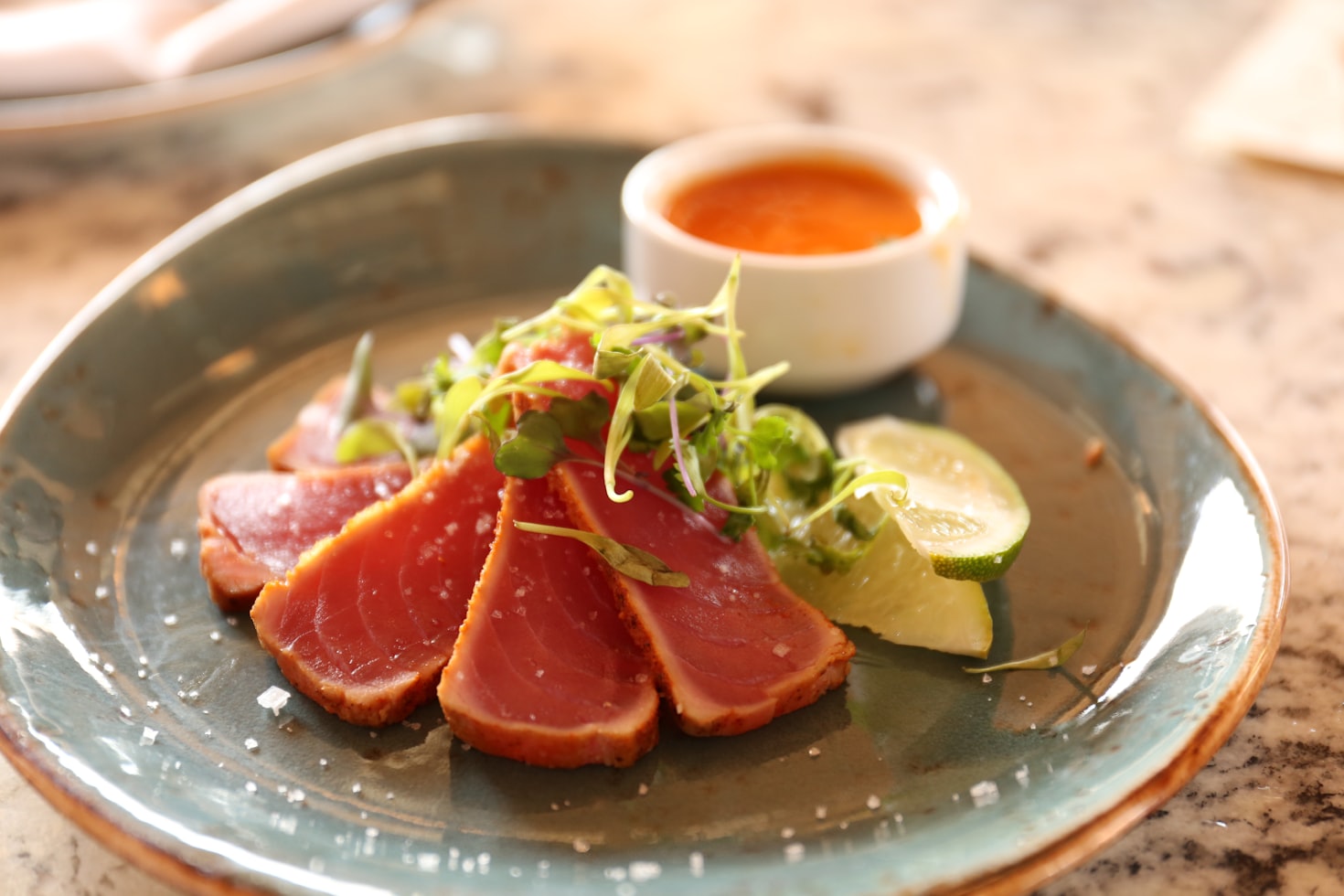
Raw fish can carry parasites and harmful bacteria that may cause illness in dogs. Tuna also tends to accumulate mercury as it grows larger and older, which means frequent consumption may lead to mercury buildup in a dog’s body. Dogs are better off eating safer fish such as cooked salmon or sardines in small amounts. So, always avoid raw fish when feeding pets.
Important: We do our best to ensure the information on this page is accurate and based on reputable animal health sources. However, this website is intended for general informational purposes only and the content has not been individually reviewed or approved by a veterinarian.
Every dog is different and reactions to foods can vary. If you have concerns about your dog’s diet or health, it is always best to speak with a qualified veterinarian.
If you believe any information on this page is incorrect or outdated, please let us know via our Contact Us page so we can review and update it.
Here are answers to some of common questions that dog owners ask about this food's safety and nutrition
Dogs should not eat raw tuna every day. Regular consumption increases the risk of mercury exposure and may also expose dogs to parasites or harmful bacteria. While tuna itself contains protein, the raw form carries unnecessary risks. If you want to give fish to your dog occasionally it is much safer to choose cooked fish that is low in mercury and served plain without seasoning.

Dogs should not be intentionally fed raw tuna at any amount. Even small portions may carry bacteria or parasites, and repeated exposure to tuna can contribute to mercury accumulation. If your dog eats a small piece accidentally it will usually not cause serious harm, but it should not be offered as a regular treat. Safer cooked fish options are a better choice.
If your dog eats raw tuna monitor them for signs of digestive upset such as vomiting, diarrhoea, or loss of appetite. In most cases a small accidental bite may only cause mild stomach upset. Provide fresh water and observe your dog over the next 24 hours. If symptoms appear severe, persist, or include unusual behaviour such as tremors or weakness, contact your veterinarian for guidance.
Puppies should never be fed raw tuna. Their immune systems are still developing and they are more vulnerable to bacteria and parasites that may be present in raw fish. Even small exposures could cause digestive illness. Puppies should receive a complete puppy diet that provides the right balance of nutrients for growth. If fish is offered as an occasional treat later in life it should always be thoroughly cooked and unseasoned.
Small dogs are more susceptible to mercury exposure because toxins build up faster in smaller bodies. Even modest amounts of tuna eaten regularly could contribute to mercury accumulation over time. Raw fish also carries a higher risk of bacterial contamination that could cause stomach upset in smaller breeds. For these reasons small dogs should not be given raw tuna and should instead receive safer protein sources.
Senior dogs can have weaker immune systems and may be more prone to digestive problems from raw foods. Raw tuna may expose them to bacteria or parasites that their body struggles to fight off. Older dogs may also have underlying kidney or neurological conditions that could be worsened by heavy metal exposure. Feeding safer protein sources such as cooked lean meats or vet approved fish options is usually a better choice.
Raw tuna is relatively high in protein and fat which means it also carries a moderate calorie load. While protein itself is not harmful, feeding raw tuna as a treat could add unnecessary calories and increase health risks without providing unique nutritional benefits. For overweight dogs it is best to avoid raw fish entirely and focus on controlled portions of balanced dog food along with low calorie treats.
