
Yes, dogs can eat plain rice cakes in small amounts. They are not toxic and are usually made from puffed rice. Avoid flavoured varieties because they often contain salt, sugar, onion powder, or artificial seasonings that are not suitable for dogs.
Last updated:
March 26, 2026
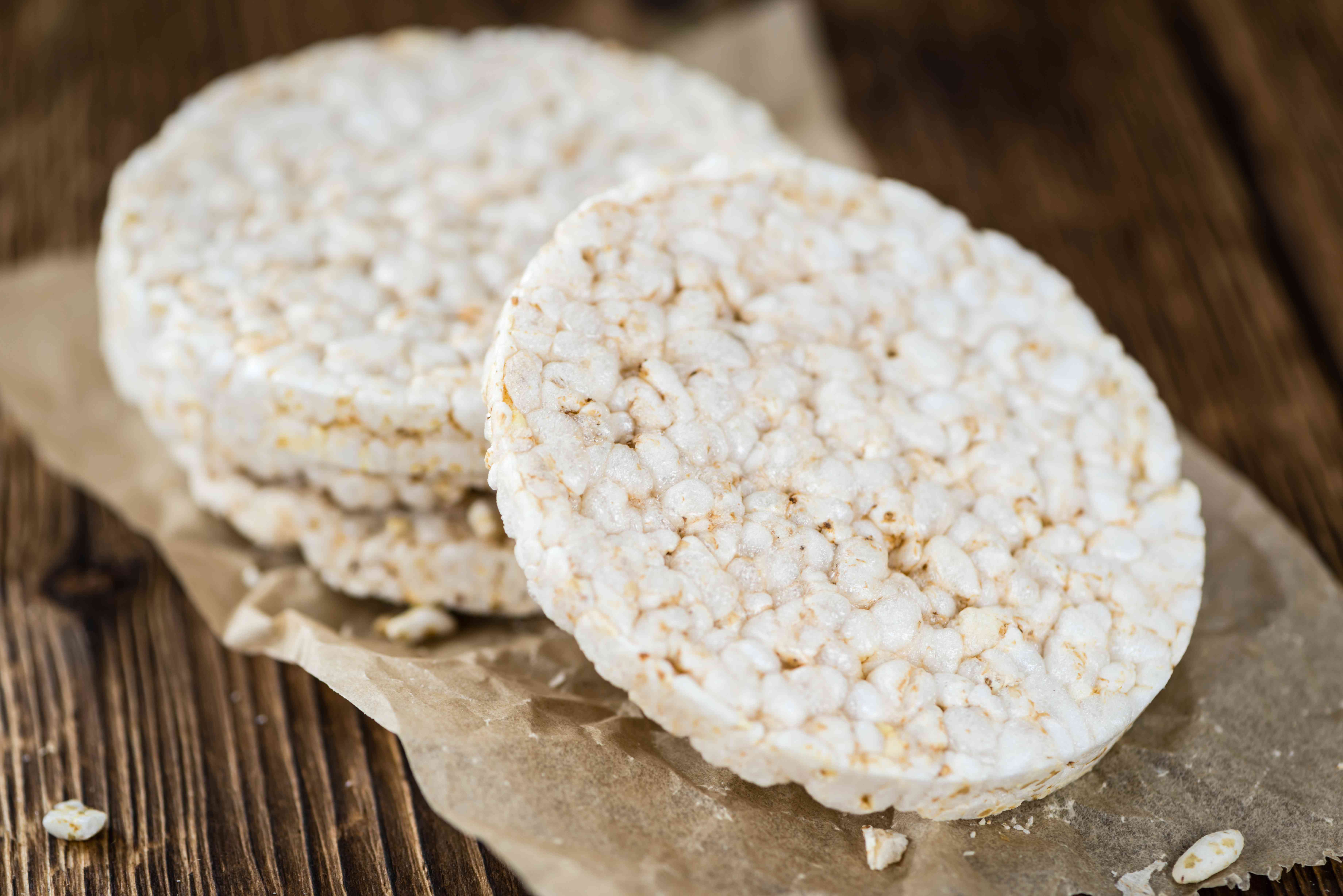
Only plain rice cakes should be given to dogs. Many supermarket versions include salt, soy sauce flavouring, barbecue seasoning, or cheese powder which may contain onion or garlic. Rice cakes are also very dry and airy which means large pieces can be difficult for some dogs to chew quickly. Break them into small pieces before offering. Some owners crumble a small amount over food as a crunchy topper rather than handing over a whole cake.
Important: We do our best to ensure the information on this page is accurate and based on reputable animal health sources. However, this website is intended for general informational purposes only and the content has not been individually reviewed or approved by a veterinarian.
Every dog is different and reactions to foods can vary. If you have concerns about your dog’s diet or health, it is always best to speak with a qualified veterinarian.
If you believe any information on this page is incorrect or outdated, please let us know via our Contact Us page so we can review and update it.
Here are answers to some of common questions that dog owners ask about this food's safety and nutrition
Dogs should not eat rice cakes every day. While plain rice cakes are not harmful, they are mostly carbohydrates and provide very little nutritional value for dogs. It is better to treat them as a rare crunchy snack rather than a regular part of the diet, especially if your dog already receives balanced meals.

The amount depends on your dog’s size and activity level. Tiny dogs may only need a crumb sized piece, while large breeds can handle half to one plain rice cake occasionally. Always choose unsalted varieties and break them into manageable pieces so they are easy to chew and swallow.
If your dog eats too many rice cakes, they may develop mild digestive upset or loose stools because of the extra carbohydrates. Offer fresh water and avoid giving additional treats that day. Most dogs recover without issue, but if vomiting, lethargy, or persistent stomach discomfort occurs it is best to contact a veterinarian for guidance.
Puppies can nibble a tiny piece of plain rice cake once they are comfortable eating solid foods, but it should remain an occasional novelty rather than a regular treat. Because rice cakes are dry and crunchy, break them into very small fragments to prevent choking. Puppies benefit more from nutritionally balanced treats, so rice cakes should never replace puppy formulated food. If offered, supervise closely and keep portions extremely small to avoid upsetting a young digestive system.
Small dogs should only receive very small pieces of rice cake because the dry texture can be difficult for toy breeds to chew quickly. Breaking it into crumbs or tiny squares makes it safer and easier to handle. Even though rice cakes are light, the carbohydrates still add up for dogs with low calorie needs. A small bite sized fragment is usually plenty. Some owners crumble a little over dinner as a crunchy garnish rather than handing a whole piece.
Senior dogs can enjoy rice cakes as a light snack if they are able to chew comfortably, though the dry texture may not suit dogs with dental wear or missing teeth. In those cases it helps to crumble the rice cake into smaller pieces or soften it slightly with a little warm water. Since older dogs sometimes gain weight easily, the low fat nature of rice cakes can make them a reasonable occasional treat compared with biscuits or fatty leftovers.
Rice cakes are relatively low in fat which can make them a better option than many commercial treats for dogs carrying extra weight. Even so, they still contain carbohydrates and calories, so portion control matters. Breaking a small piece into several tiny rewards during training can work well. Because they are not particularly filling, pairing a small rice cake piece with vegetables like cucumber may help create a more satisfying snack without increasing energy intake too much.
