
Yes, dogs can eat salami in very small amounts, but it is not recommended. It is high in salt and fat and often contains spices that may upset digestion. Avoid feeding regularly and only offer tiny pieces.
Last updated:
March 22, 2026
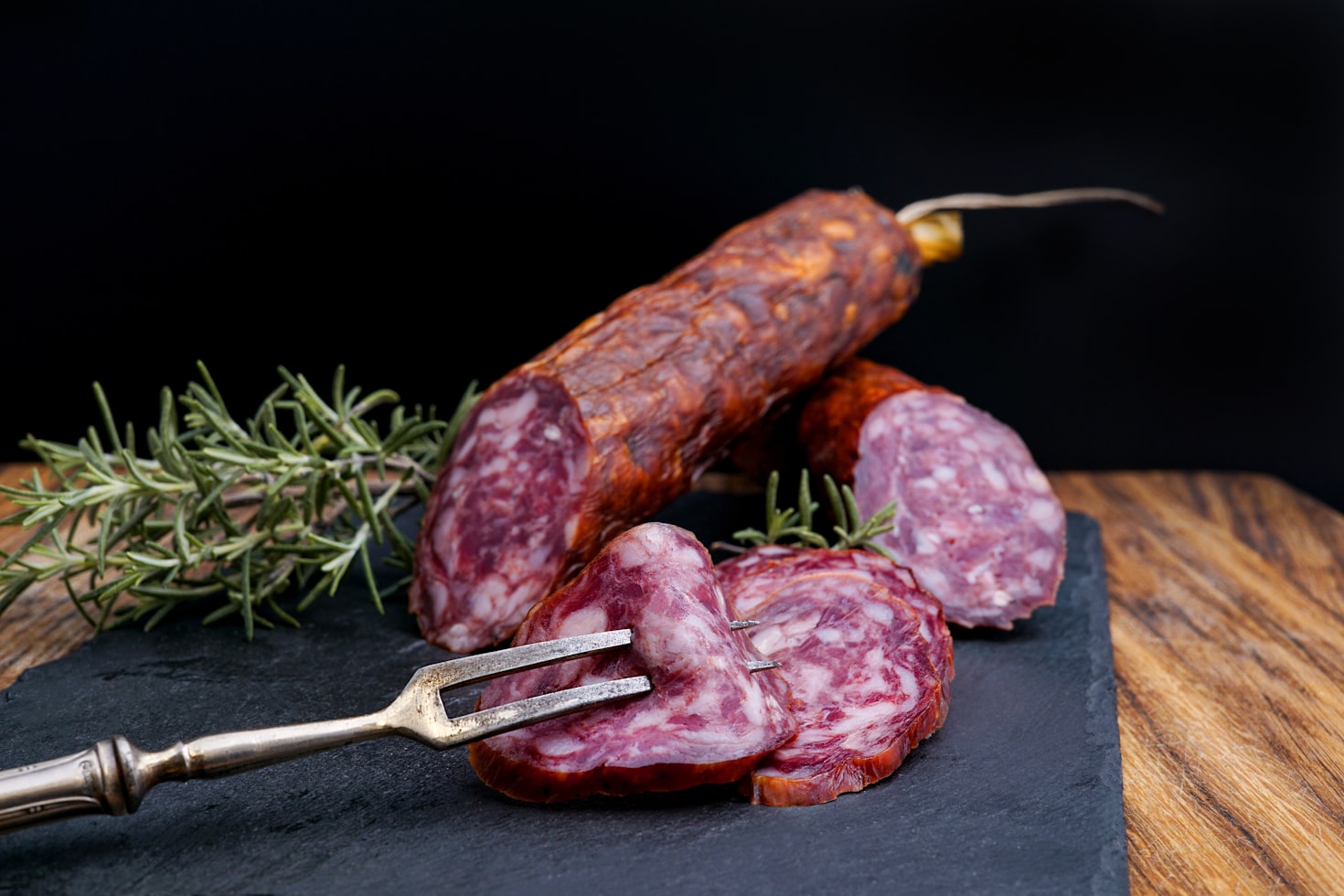
Salami is heavily processed and usually contains high levels of salt and fat. Many varieties include garlic, pepper, or other spices that are not ideal for dogs. Because it is rich, it may cause digestive upset in sensitive dogs. The dense texture can also pose a choking risk if large pieces are given. It is best avoided for regular feeding and used only rarely if at all.
Important: We do our best to ensure the information on this page is accurate and based on reputable animal health sources. However, this website is intended for general informational purposes only and the content has not been individually reviewed or approved by a veterinarian.
Every dog is different and reactions to foods can vary. If you have concerns about your dog’s diet or health, it is always best to speak with a qualified veterinarian.
If you believe any information on this page is incorrect or outdated, please let us know via our Contact Us page so we can review and update it.
Here are answers to some of common questions that dog owners ask about this food's safety and nutrition
Dogs should not eat salami every day. While it is not toxic in small amounts, the high salt and fat content make frequent feeding unsuitable. Regular consumption may contribute to weight gain and digestive issues. It is best kept as a rare treat, if used at all, rather than a routine addition to your dog’s diet.

The amount of salami a dog can eat should always be very limited. A small piece is usually enough, even for larger dogs. Because it is rich and salty, it should never replace part of a balanced meal. Consider total daily calories and use it sparingly as an occasional reward.
If your dog eats too much salami, provide fresh water and watch for signs like excessive thirst, vomiting, or diarrhoea. High salt intake may cause discomfort, especially in smaller dogs. If a large amount was consumed or your dog appears unwell, contact your vet for advice. Most mild cases resolve with rest and hydration.
Puppies should not be given salami because their digestive systems are sensitive to salty and fatty foods. Even small portions may cause loose stools or discomfort. Processed meats also provide little benefit for growth. If a puppy accidentally eats a small piece, it is usually not serious, but it should not be offered intentionally. Stick to balanced puppy food and simple treats designed for young dogs.
Small dogs can easily consume too much salt and fat from even a tiny piece of salami. Because of their size, a small amount may represent a significant portion of daily intake. This increases the risk of dehydration or digestive upset. If offered, it should be extremely small and infrequent. Many owners find leaner treats easier to portion accurately for small breeds.
Senior dogs often have health conditions such as kidney or heart concerns that make high sodium foods unsuitable. Salami can also be difficult to digest due to its fat content. If an older dog consumes a small piece, it is unlikely to cause harm, but regular feeding is not advised. Lower salt protein sources are usually a safer option for seniors.
Salami is not suitable for overweight dogs because it is very calorie dense and high in fat. Even a small slice can add unnecessary calories and slow weight loss. Using salami as a training treat can quickly increase daily intake. It is better to choose low calorie alternatives such as vegetables or lean meat pieces for dogs that need to lose weight.
