
Yes. Watercress is safe for dogs in small amounts when washed and served plain. It contains beneficial vitamins but has a peppery taste and natural compounds that may irritate digestion if overfed. Offer sparingly and avoid seasoning.
Last updated:
March 23, 2026
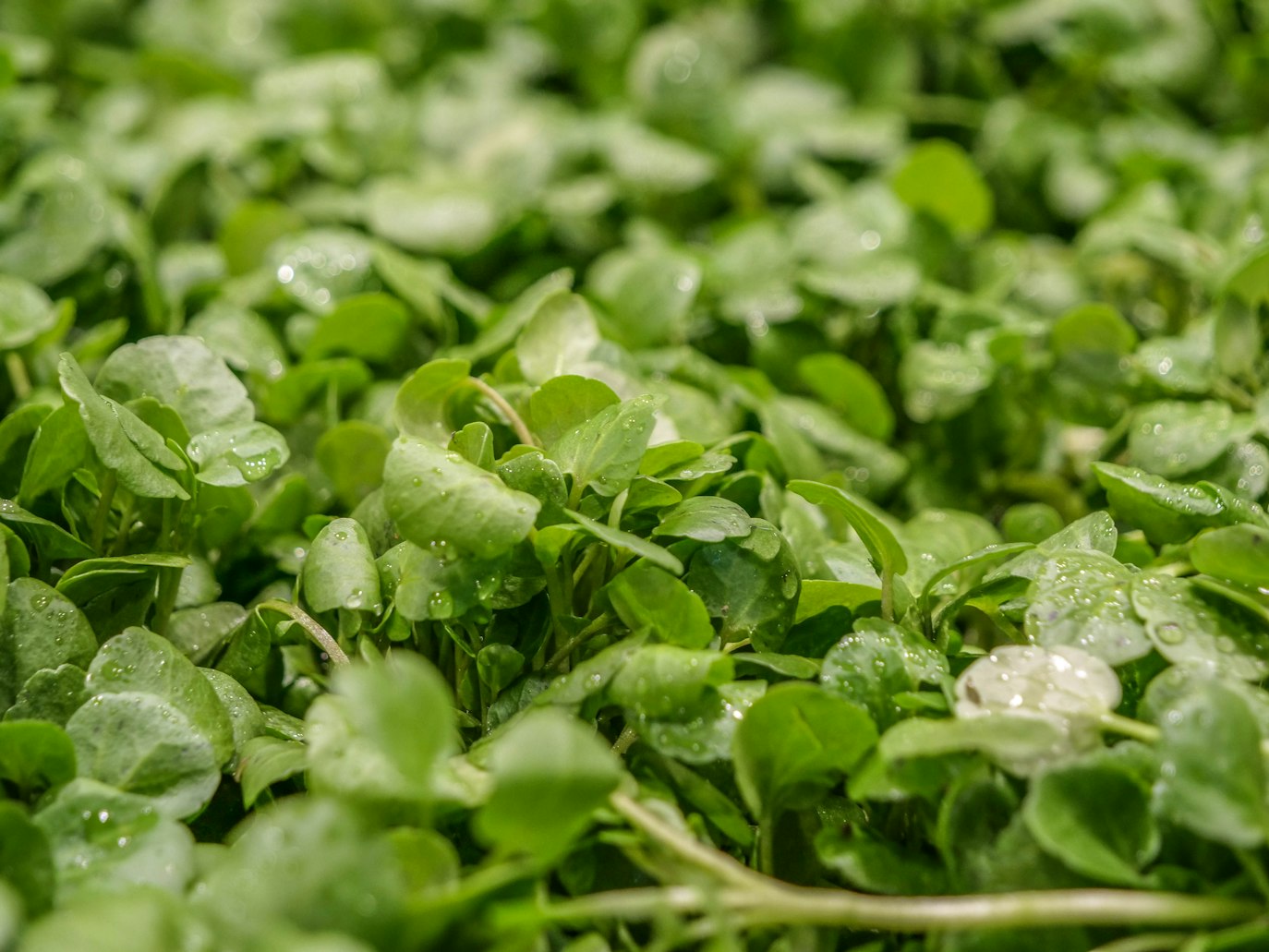
Only feed fresh, clean watercress and avoid wild harvested varieties due to potential contamination. Introduce gradually as the peppery flavour may not suit all dogs. Limit frequency because watercress is part of the cruciferous vegetable family. Finely chopping reduces the chance of selective eating. Do not serve with salad dressing or vinegar. Some owners sprinkle a small amount over homemade meals for variety, but it should remain a minor addition.
Important: We do our best to ensure the information on this page is accurate and based on reputable animal health sources. However, this website is intended for general informational purposes only and the content has not been individually reviewed or approved by a veterinarian.
Every dog is different and reactions to foods can vary. If you have concerns about your dog’s diet or health, it is always best to speak with a qualified veterinarian.
If you believe any information on this page is incorrect or outdated, please let us know via our Contact Us page so we can review and update it.
Here are answers to some of common questions that dog owners ask about this food's safety and nutrition
Dogs can eat watercress occasionally, but it should not be a daily staple. While safe, its peppery compounds and cruciferous nature mean frequent feeding is unnecessary. Offering it once or twice a week as part of a varied mix of vegetables helps provide variety without overloading the diet. Small amounts are generally well tolerated.

The amount of watercress depends on your dog’s size. Start with a teaspoon for smaller dogs or a tablespoon for larger breeds, then adjust if tolerated. Because it is strongly flavoured, even small quantities are sufficient. Finely chopping and mixing into meals helps control portion size and prevents digestive upset.
If your dog eats too much watercress, mild stomach upset such as loose stools or gas may occur. Provide fresh water and return to the usual diet for the next meal. Most cases resolve quickly without treatment. If vomiting, persistent diarrhoea, or unusual lethargy develops, contact your veterinarian for advice.
Puppies can try very small amounts of finely chopped watercress once they are already tolerating other vegetables. Its slightly peppery taste may be unfamiliar, so mixing with regular food helps acceptance. Because young digestive systems are sensitive, only offer a tiny portion and observe stool consistency. Watercress should not replace balanced puppy nutrition. Light steaming can soften the leaves and reduce potential irritation, making it easier for puppies to digest.
Small dogs often do best with very finely chopped watercress to prevent them picking out larger leaves. Even though it is low in calories, the strong flavour may cause some toy breeds to refuse their meal if too much is added. Start with a small pinch mixed thoroughly through food. If your small dog has a sensitive stomach, introduce slowly. Soft leaves are usually easy to chew, but removing thicker stems improves texture.
Senior dogs may benefit from the soft texture of watercress which requires minimal chewing. The low calorie content makes it suitable for older dogs with reduced activity levels. Because some seniors have more sensitive digestion, start with small amounts and monitor tolerance. Lightly steaming may improve digestibility. Mixing a small quantity into warm food can enhance aroma and encourage eating, particularly for seniors with reduced appetite.
Watercress can be useful for overweight dogs because it adds volume and flavour with very few calories. Finely chopped leaves mix well with lean protein or regular kibble to help dogs feel satisfied. Avoid using salad dressings or oils which add unnecessary calories. Because of the strong taste, a small amount is usually enough. Rotating with other low calorie greens helps maintain interest in meals while supporting weight control.
