
No, dogs should not eat baking powder. It contains compounds that can disrupt acid base balance and may release gas in the stomach. Even moderate amounts can lead to serious health issues and should be treated as potentially toxic.
Last updated:
March 18, 2026
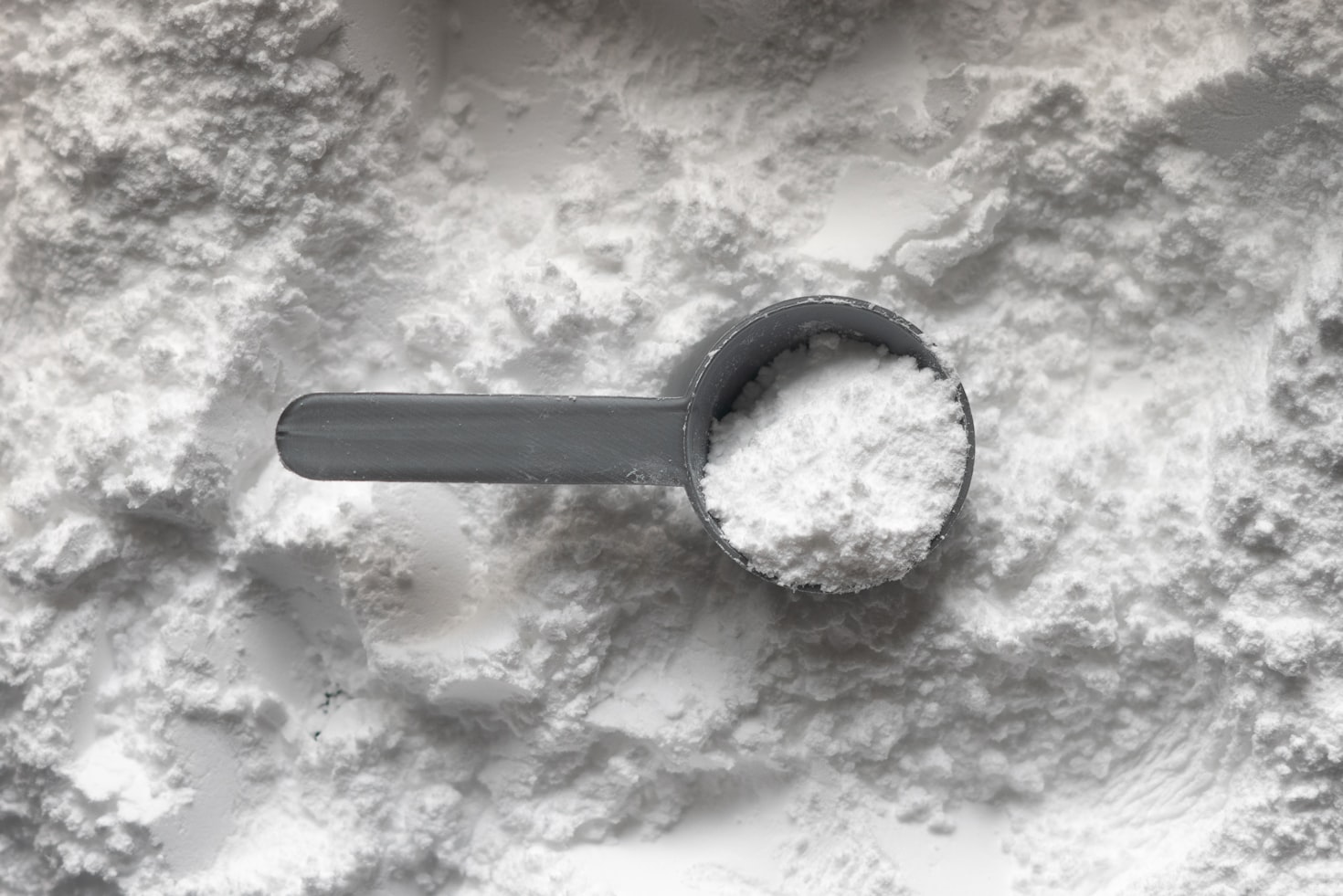
Baking powder should never be given to dogs. It reacts in the stomach and can produce gas, leading to bloating and discomfort. It also affects the body’s acid base balance, which can result in serious health complications. Even if included in small amounts in baked goods, large consumption can still be harmful. Always keep baking ingredients stored safely and away from pets.
Important: We do our best to ensure the information on this page is accurate and based on reputable animal health sources. However, this website is intended for general informational purposes only and the content has not been individually reviewed or approved by a veterinarian.
Every dog is different and reactions to foods can vary. If you have concerns about your dog’s diet or health, it is always best to speak with a qualified veterinarian.
If you believe any information on this page is incorrect or outdated, please let us know via our Contact Us page so we can review and update it.
Here are answers to some of common questions that dog owners ask about this food's safety and nutrition
Dogs should never eat baking powder every day or at all. It is not a food and has no place in a dog’s diet. Even small amounts can disrupt normal body function and lead to serious health issues, so it should always be kept out of reach and avoided entirely.

There is no safe amount of baking powder for dogs. Any ingestion carries a risk, especially for smaller dogs. It should never be intentionally fed, and care should be taken to prevent access to raw baking ingredients or mixtures that contain it.
If your dog eats baking powder, contact your veterinarian immediately. Do not wait for symptoms to appear, as internal imbalances can develop quickly. Monitor for signs such as vomiting, bloating, or unusual behaviour while seeking professional advice. Quick action can make a significant difference in preventing more serious complications.
Puppies are highly vulnerable to substances like baking powder due to their small size and developing systems. Even a small ingestion can quickly lead to serious imbalances in their body chemistry. Symptoms can escalate rapidly, making early intervention critical. Keep all baking ingredients out of reach and avoid any exposure. Puppies should only consume foods specifically designed for their nutritional needs to ensure safe growth and development.
Small dogs face a higher risk from baking powder because even a tiny amount can represent a significant dose relative to their body weight. This increases the likelihood of serious symptoms such as electrolyte imbalance and neurological effects. Immediate veterinary attention may be needed if ingestion occurs. Prevent access at all times and be especially cautious when baking or preparing food in the kitchen.
Senior dogs may have reduced organ function, making it harder for them to cope with the effects of substances like baking powder. Disruptions to electrolyte balance or pH levels can have more severe consequences in older dogs. Even small amounts can pose a serious risk. It is important to keep baking ingredients securely stored and to seek veterinary advice immediately if ingestion is suspected.
Baking powder should never be given to overweight dogs. While weight is not the primary concern, their overall health may already be under strain, making them more vulnerable to complications from toxic substances. Exposure can lead to serious internal imbalances regardless of body condition. Avoid completely and ensure all food and ingredients provided are safe and appropriate for your dog’s health needs.
Baking powder is toxic to dogs because it contains a combination of acids and bases that react when exposed to moisture. In the stomach, this reaction can produce gas and disrupt normal pH balance, leading to metabolic alkalosis. This condition affects electrolyte levels and can interfere with normal organ function. Dogs are particularly sensitive to these changes, making baking powder dangerous even in relatively small amounts compared to body size.
