
Yes, dogs can eat chicken liver in small amounts. It is highly nutritious but very rich in vitamin A. Too much can lead to vitamin A toxicity over time
Last updated:
March 26, 2026
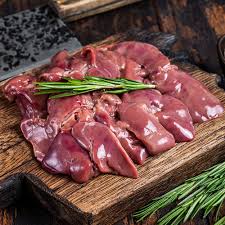
Chicken liver is extremely rich and should be treated as a supplement rather than a main protein source. Avoid feeding daily to prevent vitamin A buildup. Always cook thoroughly to reduce bacterial risk. Introduce gradually to avoid digestive upset. Dogs on balanced commercial diets already receive vitamin A so extra liver should remain limited. Some owners use tiny pieces of liver, chicken skin or cooked chicken as training rewards because of the strong smell which dogs find appealing.
Important: We do our best to ensure the information on this page is accurate and based on reputable animal health sources. However, this website is intended for general informational purposes only and the content has not been individually reviewed or approved by a veterinarian.
Every dog is different and reactions to foods can vary. If you have concerns about your dog’s diet or health, it is always best to speak with a qualified veterinarian.
If you believe any information on this page is incorrect or outdated, please let us know via our Contact Us page so we can review and update it.
Here are answers to some of common questions that dog owners ask about this food's safety and nutrition
Chicken liver should not be fed every day. While it provides valuable nutrients, the high vitamin A content can accumulate and lead to health issues over time. Offering it once a week or less is usually sufficient. Dogs eating complete commercial diets already receive adequate vitamins, so liver is best used as an occasional supplement rather than a daily addition.

The amount of chicken liver a dog can eat depends on size and overall diet. Start with a small portion and observe tolerance. Larger dogs can handle slightly more, but liver should still represent only a small percentage of weekly intake. Measuring portions helps prevent excessive vitamin A consumption, particularly if other organ meats are also included.
If your dog eats too much chicken liver, mild digestive upset such as diarrhea may occur. Provide fresh water and avoid additional rich foods for the rest of the day. Repeated large intakes over time may contribute to vitamin A excess. If your dog shows stiffness, lethargy or persistent vomiting, seek veterinary advice. Most single overindulgences resolve without complications.
Puppies can benefit from the nutrients in chicken liver, especially iron and vitamin A, but portion control is critical. Too much liver during growth may contribute to excessive vitamin A intake. Offer very small pieces mixed into regular puppy food rather than as a standalone treat. Because puppies have sensitive stomachs, introduce slowly and watch stool quality. Many breeders use occasional liver as a topper, but it should never replace balanced puppy nutrition.
Small dogs require very small portions of chicken liver due to its nutrient density. A whole liver may be far too much for toy breeds. Cut into tiny pieces and feed sparingly. Because small dogs can gain weight quickly, liver should not be offered frequently. Its strong taste can also encourage selective eating if overused. Mixing a small amount with regular food helps maintain balance without overwhelming their daily calorie allowance.
Senior dogs may benefit from the iron and B vitamins in chicken liver, particularly if appetite is reduced. However, older dogs may be less active and excess calories can accumulate quickly. Keep portions small and infrequent. Some seniors with liver or kidney conditions may need restricted intake, so consult a veterinarian if unsure. Soft cooked liver can be easier to chew for dogs with dental wear while still providing a flavour boost.
Chicken liver can be included in weight management diets if portions are tightly controlled. It is nutrient dense but not excessively high in calories when compared with fatty treats. Use very small pieces to add flavour without significantly increasing energy intake. Avoid pairing with other rich foods. Because liver is very palatable, it can help overweight dogs accept lower calorie meals, but total daily intake should always be monitored.
