
Yes, dogs can eat lychee flesh in small amounts. It is not toxic when prepared properly, but the seed and skin must be removed. Too much can upset digestion due to natural sugars.
Last updated:
March 21, 2026
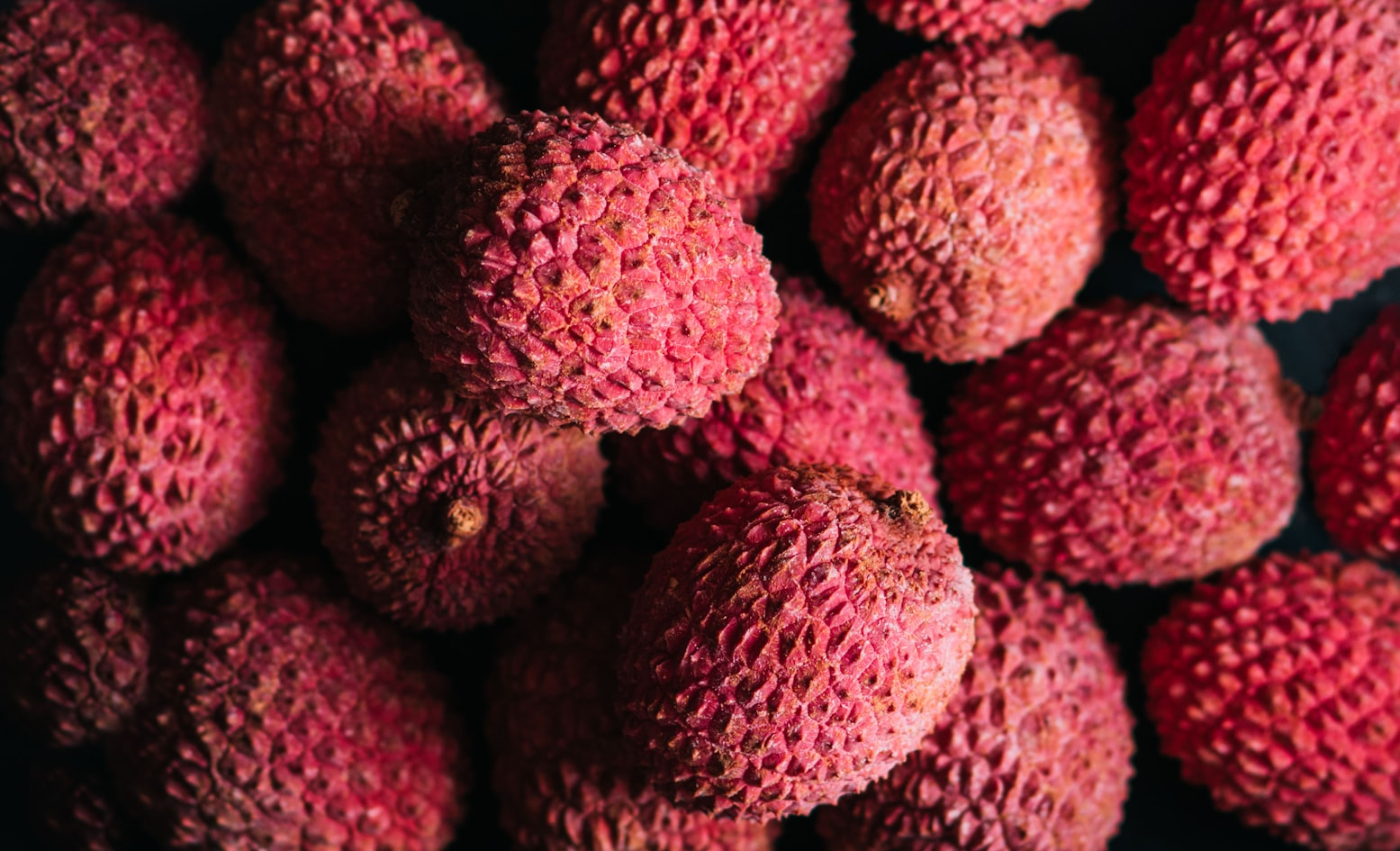
Only the flesh of lychee is suitable for dogs. The seed should never be given as it can cause choking or blockage. Avoid canned or syrup based lychees as they often contain high sugar levels. Feed in small amounts to reduce the chance of digestive upset. This fruit is often served at summer gatherings, so it is worth keeping fallen pieces away from curious dogs.
Important: We do our best to ensure the information on this page is accurate and based on reputable animal health sources. However, this website is intended for general informational purposes only and the content has not been individually reviewed or approved by a veterinarian.
Every dog is different and reactions to foods can vary. If you have concerns about your dog’s diet or health, it is always best to speak with a qualified veterinarian.
If you believe any information on this page is incorrect or outdated, please let us know via our Contact Us page so we can review and update it.
Here are answers to some of common questions that dog owners ask about this food's safety and nutrition
Dogs should not eat lychee every day. While the flesh is not toxic, regular feeding can add unnecessary sugar to their diet and may lead to digestive issues over time. It is better treated as an occasional snack alongside a balanced diet that meets all nutritional needs.

The amount of lychee a dog can eat depends on their size, but it should always be limited to a few pieces at most. Extra-Small dogs may only need half a fruit, while larger dogs can have a few peeled lychees. Always remove the seed and skin, and avoid feeding large quantities to prevent stomach upset.
If your dog eats too much lychee, they may develop mild digestive issues such as loose stools or discomfort. Provide access to fresh water and avoid giving additional rich foods that day. If symptoms continue or your dog appears unwell, contact your veterinarian for guidance, particularly if the seed may have been swallowed.
Puppies can try lychee in very small amounts, but it should not be a regular part of their diet. Their digestive systems are still developing, and sugary fruits can sometimes cause loose stools. Always remove the seed and skin, and introduce slowly while watching for any changes in digestion. Stick to simple, balanced puppy food as their main source of nutrition.
Small dogs can enjoy lychee as an occasional treat, but portion size matters due to the fruit’s natural sugar content. Even one whole lychee can be a significant amount for a very small dog. Cut into tiny pieces and remove the seed completely. Offering it infrequently helps prevent unnecessary calorie intake while still giving them a varied treat.
Senior dogs may benefit from the hydration and antioxidants in lychee, but it should be fed sparingly. Older dogs can be more sensitive to sugar, which may affect weight or underlying health conditions. Always prepare it carefully by removing the seed and skin, and keep portions small to avoid upsetting their digestion.
Lychee can be used as a lower calorie treat compared to processed snacks, but the sugar content still needs to be considered for overweight dogs. Keep portions small and occasional, and use it as a replacement for higher calorie treats rather than an addition. Fresh fruits like this can add variety without heavily impacting daily calorie intake when used carefully.
