
Yes dogs can eat plain cooked chicken. It is a high quality protein source that supports muscle health and energy. However it should be served cooked and unseasoned and bones must always be removed because cooked chicken bones can splinter and cause injury.
Last updated:
March 26, 2026
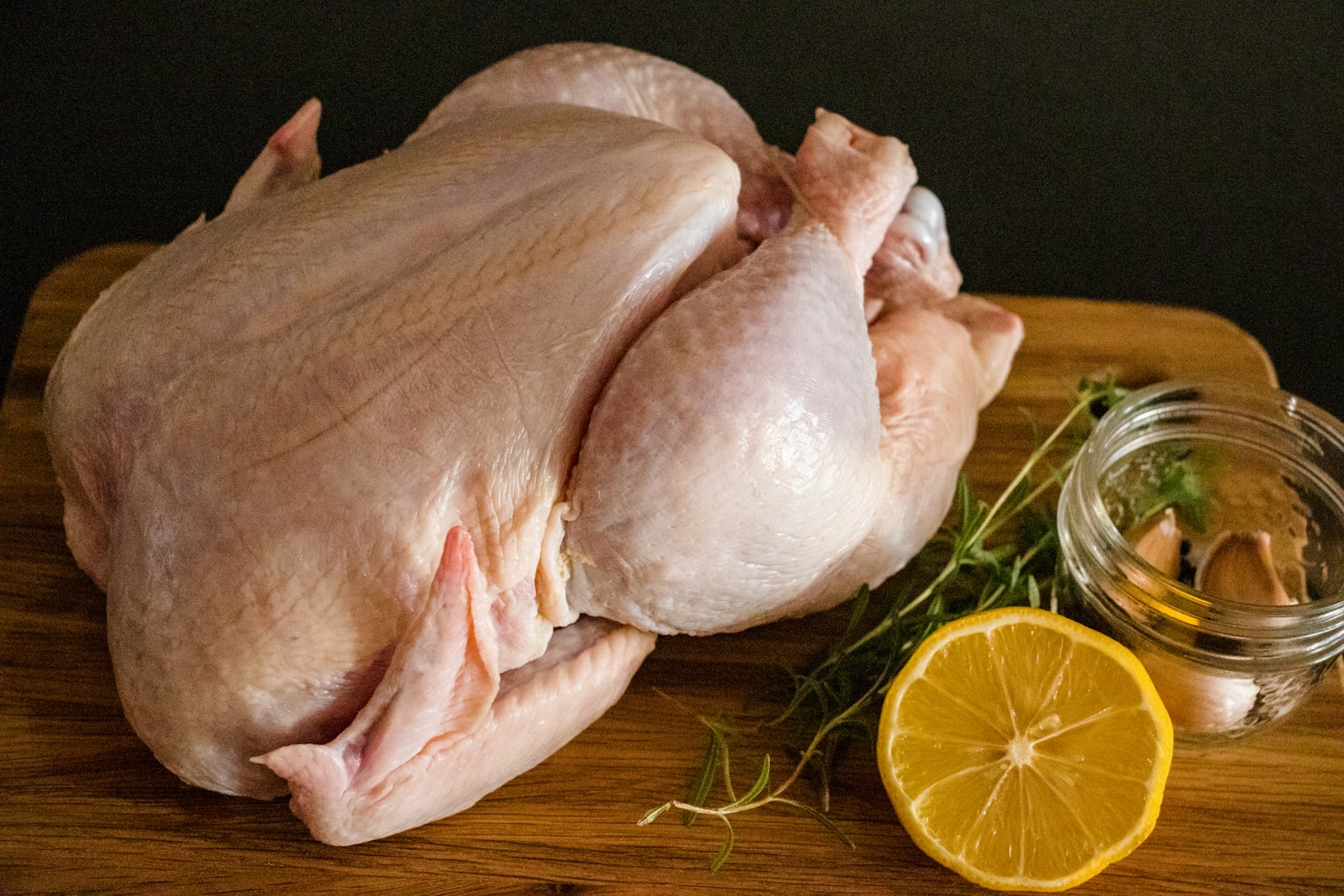
Chicken should always be served plain and fully cooked. Avoid feeding fried chicken or chicken prepared with sauces that include garlic, onion or other seasonings because these ingredients can be harmful to dogs. Never feed cooked chicken bones as they can splinter and cause serious injury to the mouth throat or digestive tract. If your dog has previously shown signs of a chicken allergy such as itching ear infections or digestive upset consult a veterinarian before feeding it again. Boiled chicken and plain white or brown rice is often recommended short term for upset tummies.
Important: We do our best to ensure the information on this page is accurate and based on reputable animal health sources. However, this website is intended for general informational purposes only and the content has not been individually reviewed or approved by a veterinarian.
Every dog is different and reactions to foods can vary. If you have concerns about your dog’s diet or health, it is always best to speak with a qualified veterinarian.
If you believe any information on this page is incorrect or outdated, please let us know via our Contact Us page so we can review and update it.
Here are answers to some of common questions that dog owners ask about this food's safety and nutrition
Dogs can eat chicken regularly as part of a balanced diet but it should still be served in moderation if used as a treat or meal topper. Plain cooked chicken provides high quality protein but feeding too much on its own may unbalance your dog’s diet. Most dogs do best when chicken is offered occasionally alongside a complete and nutritionally balanced dog food.

The amount of chicken a dog can eat depends on their size and daily calorie needs. Small dogs may only need a tablespoon or two while larger dogs can handle a slightly bigger portion. Chicken should usually make up no more than a small part of the overall diet unless recommended by a veterinarian as part of a specific feeding plan.
If your dog eats too much chicken they may develop digestive upset such as vomiting or diarrhoea especially if the chicken contained skin or fat. Monitor your dog for signs of stomach discomfort and provide fresh water. If your dog has eaten cooked bones or shows signs of choking pain or lethargy you should contact a veterinarian immediately for advice.
Puppies can eat small amounts of plain cooked chicken once they are established on a balanced puppy diet. The chicken should be finely chopped or shredded to make it easy to chew and digest. It can sometimes be used as a high value training treat or mixed with puppy food to encourage eating. However puppies grow quickly and require carefully balanced nutrition so chicken should remain a small addition rather than replacing a complete puppy food.
Small dogs often enjoy chicken because it is soft easy to chew and rich in protein. For toy and small breeds it should be finely chopped to prevent choking and to make portion control easier. Even though chicken is nutritious it should still be offered in moderation because too much extra protein or calories may upset the balance of a complete dog food diet.
Senior dogs can benefit from chicken because it is an easily digestible protein source that helps maintain muscle mass during ageing. Lean chicken breast without skin is usually the best option as it contains less fat. Cutting the meat into small pieces can help older dogs with dental issues chew it more comfortably. As with all treats or meal toppers it should complement a balanced senior dog diet rather than replace it.
Chicken can be included in the diet of overweight dogs when served in small portions and prepared without skin or added fat. Lean chicken breast provides protein which helps maintain muscle while a dog is losing weight. Portion size is important because too much chicken can still increase calorie intake. Small pieces can also work well as a healthier training treat instead of higher calorie commercial snacks.
