
Yes. Plain cooked pork mince is safe for dogs in small portions. It should be thoroughly cooked and served without seasoning. Pork mince is often higher in fat, so moderation is important to avoid digestive upset.
Last updated:
March 29, 2026
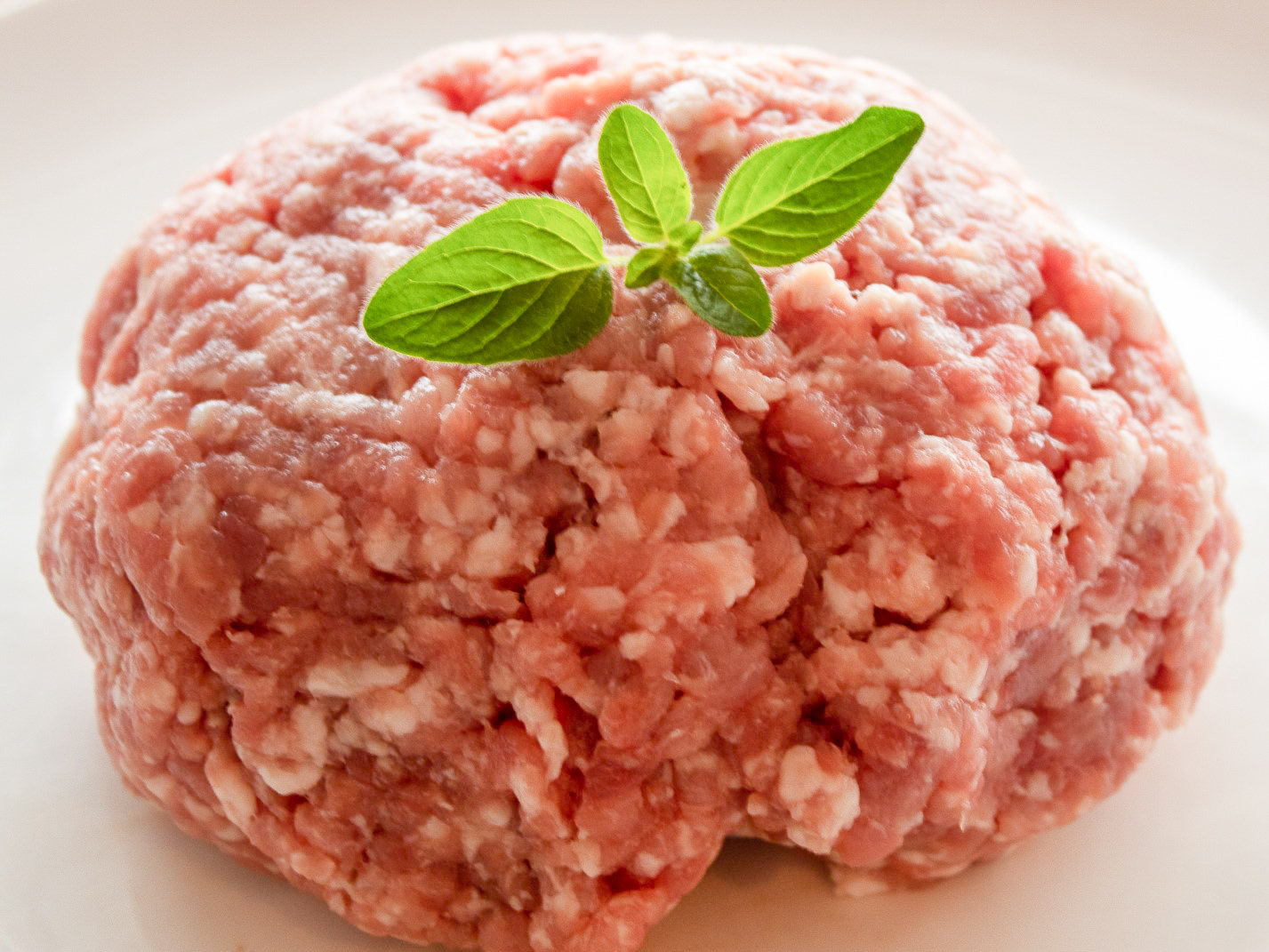
Always cook pork mince to reduce risk of parasites and bacteria, choose leaner varieties where possible, high fat content may not suit dogs prone to pancreatitis, avoid leftovers from seasoned dishes, pork mince should not replace a complete diet, store raw pork carefully and discard any spoiled portions. Other safe mince options include chicken mince and beef mince.
Important: We do our best to ensure the information on this page is accurate and based on reputable animal health sources. However, this website is intended for general informational purposes only and the content has not been individually reviewed or approved by a veterinarian.
Every dog is different and reactions to foods can vary. If you have concerns about your dog’s diet or health, it is always best to speak with a qualified veterinarian.
If you believe any information on this page is incorrect or outdated, please let us know via our Contact Us page so we can review and update it.
Here are answers to some of common questions that dog owners ask about this food's safety and nutrition
Pork mince is not recommended for daily feeding. While it provides protein and vitamins, the fat content makes frequent use less suitable for many dogs. Occasional small amounts mixed into balanced meals are acceptable. Rotating with leaner proteins helps reduce overall fat intake and supports a more varied nutrient profile.

The appropriate amount depends on your dog’s size and the fat content of the mince. Small dogs may only tolerate a teaspoon, while larger dogs can handle up to half a cup occasionally. Because pork mince is richer than many other meats, smaller portions are usually better. Leaner varieties allow slightly larger servings without excessive calorie intake.
If your dog eats too much pork mince, digestive upset such as vomiting or loose stools may occur due to the fat content. Offer water and return to their normal diet at the next meal. Contact your vet if symptoms persist or if your dog has a history of pancreatitis. Most mild cases improve with simple monitoring.
Puppies can eat small amounts of cooked pork mince, but the higher fat content means it should be introduced slowly. Leaner cuts are preferable to avoid digestive upset. Because pork mince lacks balanced calcium and other nutrients, it should only be mixed into a complete puppy diet. Very small portions work best during transitions to new foods. Watch for loose stools after introduction. Some owners use it sparingly to tempt picky puppies when other proteins have been refused.
Small dogs are more sensitive to fatty foods, making pork mince a cautious choice. Even a tablespoon may contain significant fat depending on the blend. Choose lean mince and mix it thoroughly into the meal to dilute richness. If your small dog has a history of sensitive digestion, consider limiting use further. Offering it occasionally rather than frequently helps reduce the risk of stomach upset while still providing variety.
Senior dogs may enjoy pork mince because of its strong aroma and soft texture, especially if appetite has declined. However older dogs often require lower fat diets, so lean mince and drained fat are important. Use modest portions and mix with regular food. Monitor for digestive changes. If your senior dog has a history of pancreatitis or requires restricted fat intake, pork mince may not be the best protein option compared with lean chicken or turkey.
For overweight dogs, pork mince should be used sparingly due to its higher calorie and fat content. Even small servings can add significant energy. If used at all, choose lean mince and drain thoroughly after cooking. A teaspoon mixed into low calorie food can improve flavour without adding too many calories. Avoid pairing with other rich ingredients. In many cases, leaner proteins are a better choice for weight management.
