
Yes, dogs can eat small amounts of durian flesh. It is not toxic but it is very rich and high in fat and sugar. The large seed and spiky outer shell must always be removed as they can cause choking or injury.
Last updated:
March 21, 2026
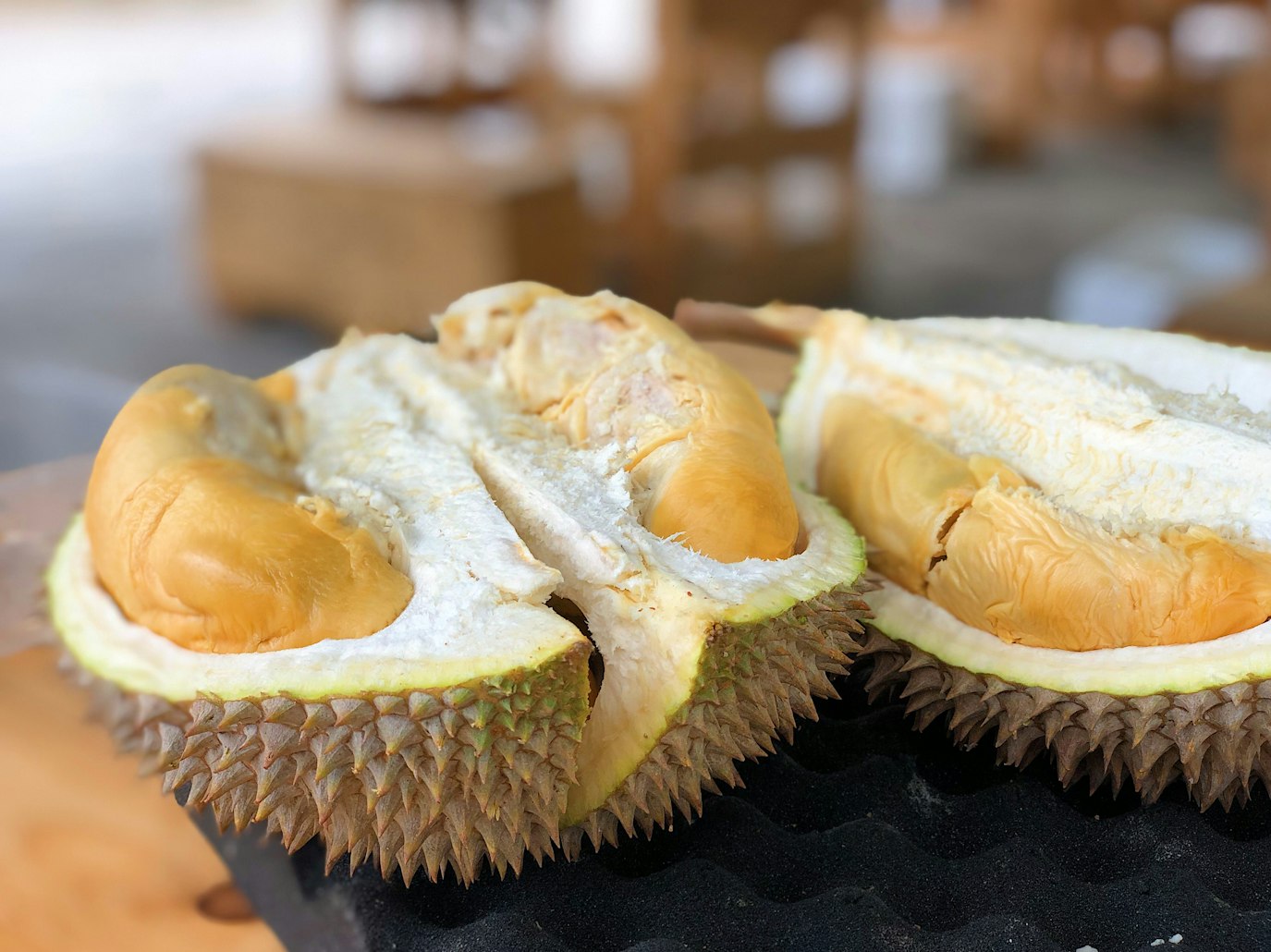
Only the soft flesh of durian should ever be given to dogs. The seed must be removed as it poses a choking and blockage risk. The outer shell is sharp and can cause injury so it should never be accessible. Due to the high fat and sugar content durian should only be fed occasionally and in very small amounts. Dogs prone to pancreatitis should avoid it.
Important: We do our best to ensure the information on this page is accurate and based on reputable animal health sources. However, this website is intended for general informational purposes only and the content has not been individually reviewed or approved by a veterinarian.
Every dog is different and reactions to foods can vary. If you have concerns about your dog’s diet or health, it is always best to speak with a qualified veterinarian.
If you believe any information on this page is incorrect or outdated, please let us know via our Contact Us page so we can review and update it.
Here are answers to some of common questions that dog owners ask about this food's safety and nutrition
Dogs should not eat durian every day. While the flesh is not toxic it is high in fat and sugar which can lead to digestive issues and weight gain if fed regularly. It is best given occasionally in small amounts as a treat.

The amount of durian a dog can eat depends on their size but it should always be limited to small pieces of the flesh only. A few small bites are enough for most dogs. Feeding too much can lead to stomach upset due to its richness.
If your dog eats too much durian monitor them for signs of vomiting, diarrhoea or lethargy. Provide access to fresh water and avoid feeding more rich foods. If symptoms persist or your dog has eaten the seed contact a veterinarian for advice as there may be a risk of blockage.
Puppies should only be given a very small amount of durian flesh if at all. Their digestive systems are sensitive and the high fat content can lead to stomach upset. Always remove the seed and shell and offer a tiny portion to test tolerance. A complete and balanced puppy diet should remain the priority rather than rich fruit treats.
Small dogs are more sensitive to rich foods like durian due to their size. Even a small portion can lead to digestive upset or excess calorie intake. Seeds must always be removed as they present a serious choking hazard. Keep portions very small and introduce slowly to avoid stomach issues.
Senior dogs may struggle with rich foods like durian, especially if they have underlying health conditions. The high fat content may increase the risk of digestive upset or pancreatitis. If offered it should be in very small amounts and only occasionally. Monitor closely for any adverse reactions.
Durian is not ideal for overweight dogs due to its high calorie and fat content. Even small portions can add up quickly and contribute to weight gain. Healthier low calorie treats such as vegetables are a better option for dogs that need to manage their weight.
