
Yes, dogs can eat small amounts of fried food, but it is not recommended for regular feeding. Fried foods are high in fat, salt, and often contain seasonings that can upset a dog’s stomach. Even a small portion can cause digestive issues in sensitive dogs.
Last updated:
March 25, 2026
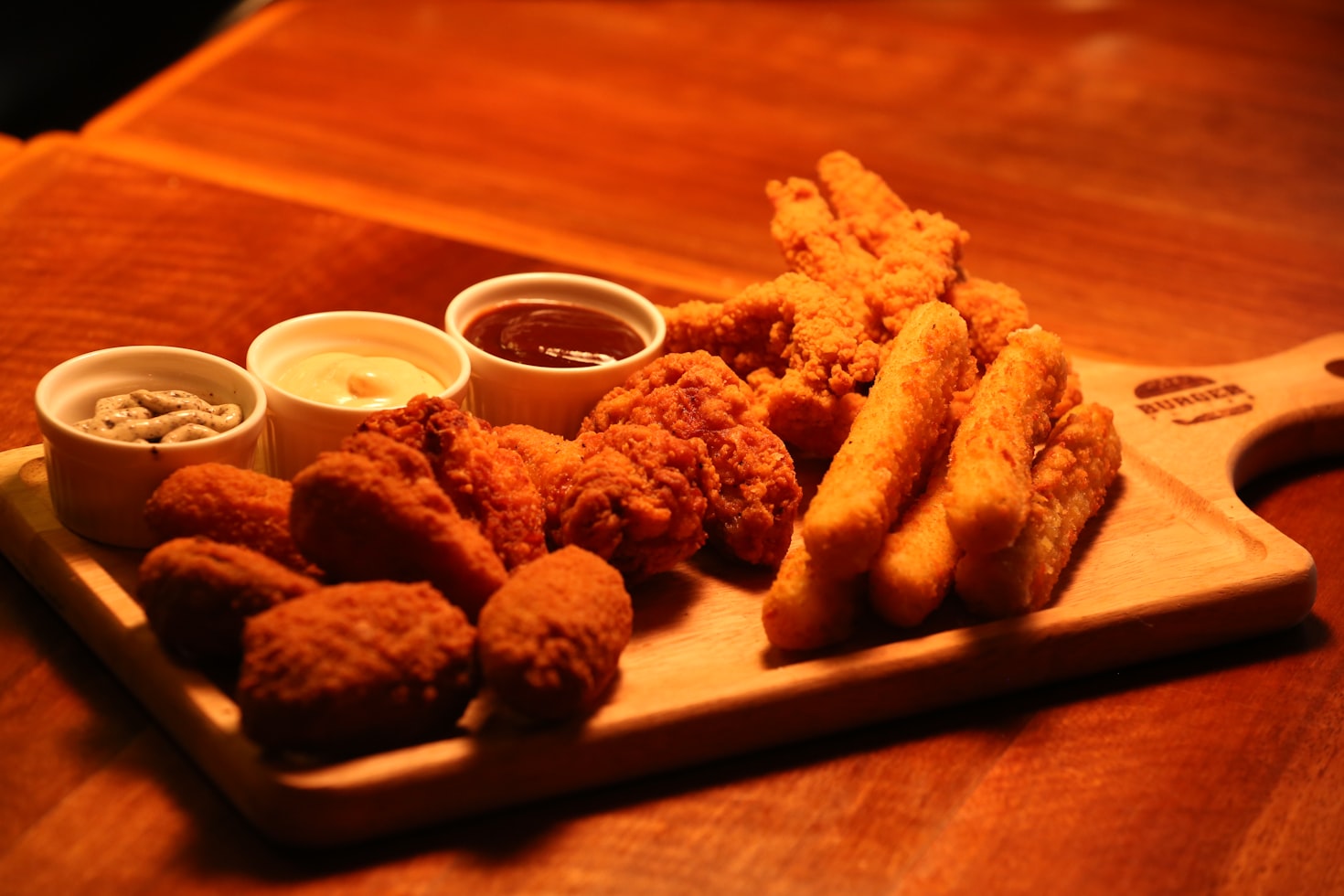
Fried foods often contain hidden ingredients like onion, garlic, or spices that are unsafe for dogs. The high fat and oil content can lead to stomach upset or more serious conditions like pancreatitis, frequent feeding can contribute to weight gain and strain on the liver and pancreas, always check what oils and seasonings were used as takeaway foods are especially rich and unsuitable
Important: We do our best to ensure the information on this page is accurate and based on reputable animal health sources. However, this website is intended for general informational purposes only and the content has not been individually reviewed or approved by a veterinarian.
Every dog is different and reactions to foods can vary. If you have concerns about your dog’s diet or health, it is always best to speak with a qualified veterinarian.
If you believe any information on this page is incorrect or outdated, please let us know via our Contact Us page so we can review and update it.
Here are answers to some of common questions that dog owners ask about this food's safety and nutrition
Dogs should not eat fried food every day. While it is not toxic in most cases, the high fat and salt content make it unsuitable for regular feeding. Frequent consumption can lead to digestive problems and weight gain, so it should be limited to rare occasions if given at all.

The amount of fried food a dog can eat should always be very small and depend on size. A tiny taste is enough for small dogs, while larger dogs can handle a few small pieces. Because fried food is calorie dense and rich, even moderate portions are excessive and should be avoided as part of a regular diet.
If your dog eats too much fried food, watch for vomiting, diarrhoea, or signs of discomfort. Offer fresh water and avoid giving more rich foods that day. If symptoms persist or your dog seems unwell, contact your vet for advice, especially if there is a risk of pancreatitis after consuming a large amount of fatty food.
Puppies have developing digestive systems and struggle to process fatty foods. Fried food can quickly lead to diarrhoea or vomiting and does not support healthy growth. The salt and oils are also unsuitable for young dogs. It is best to avoid fried food entirely for puppies and focus on balanced meals designed for their needs, keeping treats simple and easy to digest.
Small dogs are more sensitive to rich and oily foods because even tiny portions can represent a large share of their daily intake. Fried food can quickly cause stomach upset or discomfort. The high salt levels can also be more impactful in smaller bodies. If offered at all it should be an extremely small amount, with careful observation afterward to ensure no negative reaction occurs.
Senior dogs often have reduced tolerance for fatty foods and may already have underlying health concerns. Fried food can aggravate issues such as pancreatitis or digestive sensitivity. It can also contribute to unnecessary weight gain. For older dogs it is best avoided or given only in very small amounts on rare occasions, with a focus on lighter, more digestible food choices that support long term health.
Fried food is not suitable for overweight dogs due to its high calorie density and fat content. Even small portions can slow weight loss progress and contribute to further gain. Regular intake increases the risk of related health conditions such as joint strain and metabolic issues. Healthier low calorie treats are a better option for dogs needing to manage their weight.
