
No, dogs should not eat leeks. Leeks belong to the allium family which contains compounds that can damage a dog's red blood cells. Important warning: even small amounts may cause illness and repeated exposure increases the risk of anaemia.
Last updated:
March 19, 2026
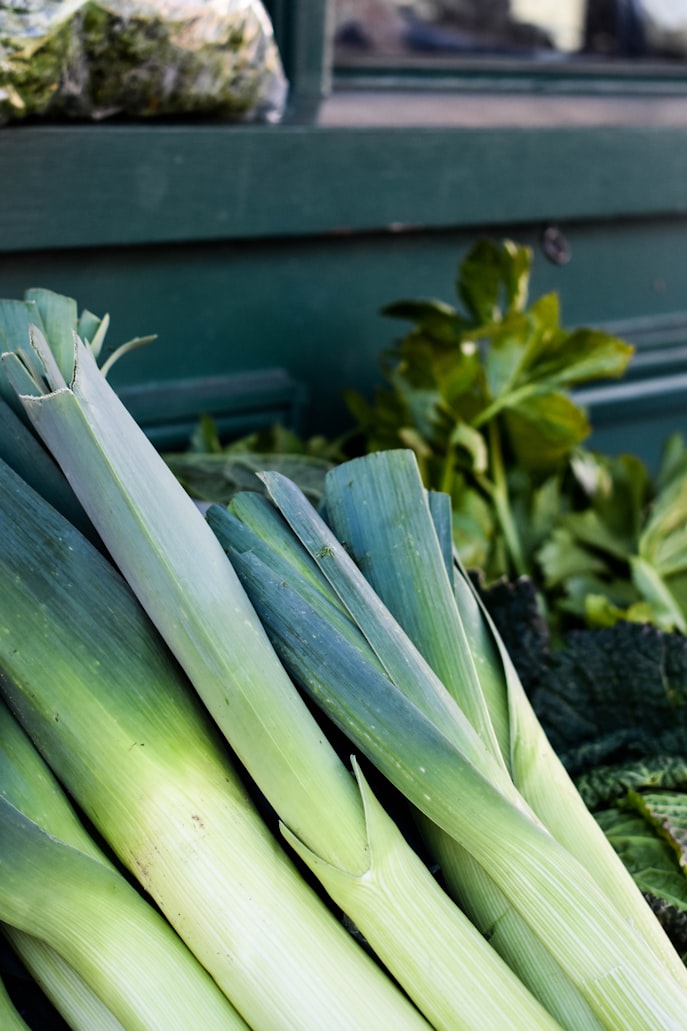
Leeks are part of the allium plant family which also includes onions, garlic, and chives. Plants in this group contain compounds that are toxic to dogs. Even when cooked the harmful compounds remain active and can damage red blood cells. Because leeks are commonly used in soups and cooked dishes dogs may accidentally eat them through leftovers or scraps, so it is important to keep these foods out of reach.
Important: We do our best to ensure the information on this page is accurate and based on reputable animal health sources. However, this website is intended for general informational purposes only and the content has not been individually reviewed or approved by a veterinarian.
Every dog is different and reactions to foods can vary. If you have concerns about your dog’s diet or health, it is always best to speak with a qualified veterinarian.
If you believe any information on this page is incorrect or outdated, please let us know via our Contact Us page so we can review and update it.
Here are answers to some of common questions that dog owners ask about this food's safety and nutrition
Dogs should never eat leeks every day or even occasionally. Leeks belong to the allium family which includes onions and garlic, vegetables that are known to be toxic to dogs. Compounds in these plants damage red blood cells and may lead to haemolytic anaemia. Because the effects can develop over time veterinarians recommend avoiding leeks completely and keeping foods that contain them away from dogs.

Dogs should not eat leeks at all. Even a small serving may cause stomach upset and larger amounts can damage red blood cells. The toxic dose varies depending on the dog’s size and health, so there is no safe amount to offer. For this reason leeks should never be given as treats and dogs should not be allowed to eat foods that contain them.
If your dog eats leeks contact a veterinarian for advice, especially if a noticeable amount was consumed. Symptoms may not appear straight away and can develop over several days as red blood cell damage occurs. Watch for signs such as vomiting, weakness, pale gums, or loss of appetite. Early veterinary guidance can help prevent more serious complications if poisoning develops.
Puppies are particularly sensitive to foods that contain toxins because their bodies are still developing. Even a small amount of leek may upset a puppy’s stomach or contribute to damage to red blood cells. Puppies are also curious and may chew plants or food scraps if given access. For safety it is best to keep leeks and other allium vegetables completely out of reach and feed puppies a balanced puppy diet.
Small dogs are more vulnerable to leek poisoning because the toxic dose is related to body weight. A small amount of leek may represent a much larger dose for a small dog compared with a large breed. This increases the risk of red blood cell damage and the development of anaemia. Owners of small dogs should be especially careful with cooked meals that may contain leek as an ingredient.
Senior dogs may have underlying health conditions that make it harder for their bodies to recover from toxin exposure. Damage to red blood cells caused by leeks can lead to weakness and reduced oxygen delivery throughout the body. These effects may be more severe in older dogs. Because of this risk it is best to keep leeks completely out of a senior dog's diet and avoid sharing meals that contain them.
Leeks do not offer any safe nutritional value for overweight dogs and should never be fed. The concern with leeks is toxicity rather than calorie intake. Even if a dog is overweight the risk of poisoning remains the same. Instead of offering human foods owners should focus on balanced meals and controlled portions designed to help dogs reach and maintain a healthy weight.
Leeks contain organosulfur compounds that can damage red blood cells in dogs. When these compounds are broken down in the body they cause oxidative damage to the red blood cells which leads to their destruction. This process can result in haemolytic anaemia where the body cannot replace red blood cells quickly enough. The condition may develop gradually over several days after ingestion and can become serious if untreated.
