
Yes, dogs can eat dried cranberries in small amounts. They are not toxic, but many packaged versions contain added sugar which is not ideal for dogs. Choose unsweetened varieties and avoid mixes that include raisins.
Last updated:
April 1, 2026
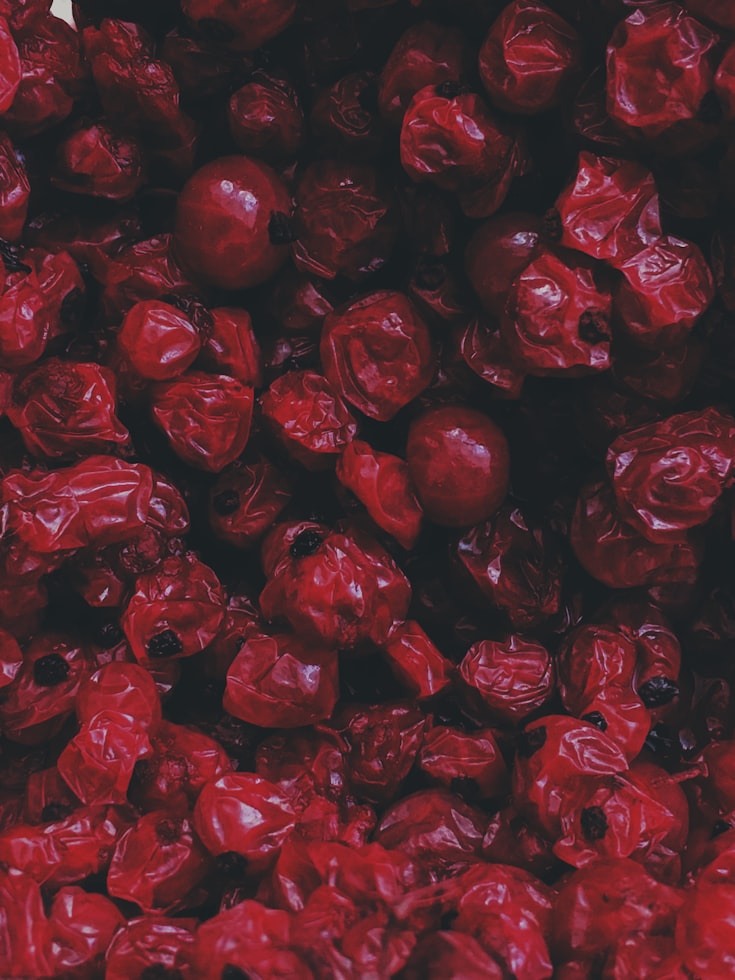
Many dried cranberry products are sweetened or mixed with other dried fruits, especially raisins which are toxic to dogs. Always check ingredient labels before offering. The concentrated sugar content may also contribute to dental issues or digestive upset. Some dogs may find the chewy texture sticky, so portions should remain small. If your dog has diabetes or weight concerns, avoid dried fruit altogether.
Important: We do our best to ensure the information on this page is accurate and based on reputable animal health sources. However, this website is intended for general informational purposes only and the content has not been individually reviewed or approved by a veterinarian.
Every dog is different and reactions to foods can vary. If you have concerns about your dog’s diet or health, it is always best to speak with a qualified veterinarian.
If you believe any information on this page is incorrect or outdated, please let us know via our Contact Us page so we can review and update it.
Here are answers to some of common questions that dog owners ask about this food's safety and nutrition
Dried cranberries are not ideal for daily feeding. While they are not toxic, the concentrated sugar and calorie content make them better suited as an occasional treat. Fresh fruit options are generally more appropriate for regular use.

Most dogs should only have a few dried cranberries at a time, depending on size. Because they are concentrated, portions should remain small. Treats like this should make up a small part of daily intake and not replace balanced meals.
If your dog eats too many dried cranberries, watch for loose stools or stomach upset. Provide fresh water and avoid further treats that day. Check the packaging to ensure no raisins were included, and contact your veterinarian if you are unsure.
Puppies can eat very small amounts of unsweetened dried cranberries, but they are not an ideal treat. The chewy texture can stick to developing teeth, and the sugar concentration is higher than fresh fruit. If introduced, offer one small piece and observe tolerance. Puppies benefit more from fresh fruits with higher water content. Avoid any sweetened versions, and ensure the product does not contain raisins which pose a serious risk.
Small dogs should only receive tiny portions because dried cranberries are concentrated in both sugar and calories. Even a few pieces can represent a significant treat intake for toy breeds. Cut pieces into halves if needed and offer infrequently. Sticky dried fruit may also cling to teeth, increasing the risk of dental plaque. Fresh cranberries or small apple slices usually make better alternatives for smaller dogs.
Senior dogs may enjoy the soft chewy texture, but the sugar content should be considered carefully. Older dogs with reduced activity levels can gain weight easily from calorie dense treats. Sticky dried fruit may also be harder on ageing teeth. If offering dried cranberries, keep portions very small and ensure they are unsweetened. Fresh berries provide hydration and similar antioxidants with fewer calories.
Dried cranberries are more calorie dense than fresh fruit, making them less suitable for overweight dogs. Even a small handful can add noticeable calories due to reduced water content. If you want to provide similar flavour, consider fresh cranberries or blueberries instead. These offer fibre and antioxidants with lower calorie impact. Dried fruit should remain a rare treat when weight control is a priority.
