
Yes, dogs can eat pork when it is plain and fully cooked. Pork provides protein and important nutrients that support muscle health and energy levels. However it should never be served raw or heavily seasoned because raw pork may carry parasites and seasonings like garlic or onion are harmful to dogs.
Last updated:
March 25, 2026
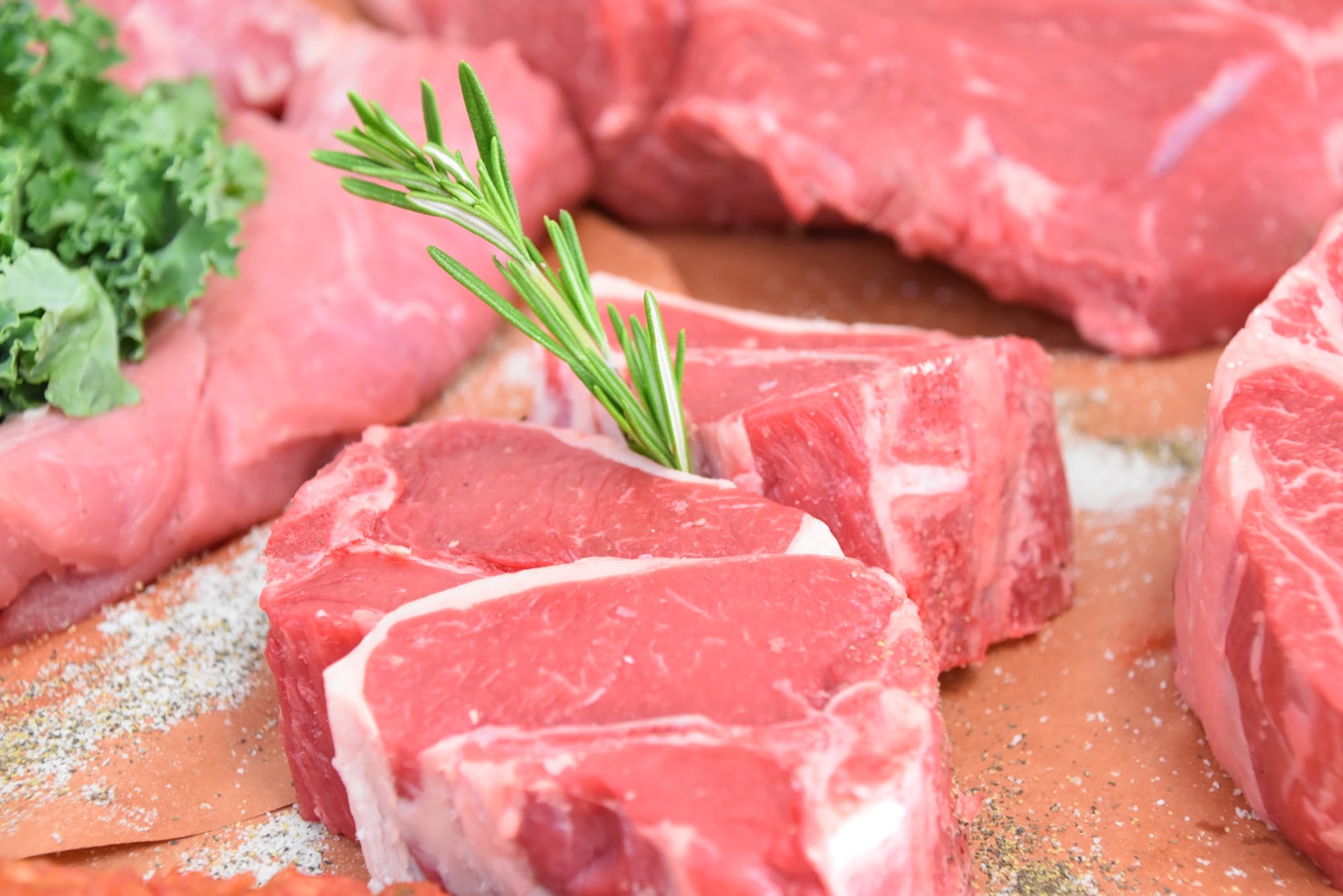
Only feed plain cooked pork without seasoning, marinades or saues (like gravy or bbq sauce). Many pork dishes contain garlic, onion, salt or sauces that are not safe for dogs. Raw or undercooked pork should be avoided because it can carry parasites that may cause illness. Trim excess fat to reduce the risk of digestive upset or pancreatitis. Cooked bones should never be given to dogs because they can splinter and cause injury or choking.
Important: We do our best to ensure the information on this page is accurate and based on reputable animal health sources. However, this website is intended for general informational purposes only and the content has not been individually reviewed or approved by a veterinarian.
Every dog is different and reactions to foods can vary. If you have concerns about your dog’s diet or health, it is always best to speak with a qualified veterinarian.
If you believe any information on this page is incorrect or outdated, please let us know via our Contact Us page so we can review and update it.
Here are answers to some of common questions that dog owners ask about this food's safety and nutrition
Dogs can eat pork occasionally as long as it is plain, fully cooked and served in moderate portions. It should not replace a complete and balanced dog food that provides all essential nutrients. Pork dishes prepared for humans often contain salt, sauces and spices that are unsuitable for dogs, so plain preparation is important. Offering small portions from time to time helps keep the overall diet balanced.

The amount of pork a dog can eat depends on their size, activity level and overall diet. Smaller dogs may only need a tablespoon or two while larger dogs can handle slightly more. Lean cooked pork should be treated as an occasional addition rather than the main meal. Keeping portions moderate helps prevent excess calorie intake and reduces the risk of digestive upset.
If your dog eats too much pork they may experience digestive upset such as vomiting, diarrhoea or stomach discomfort, particularly if the meat is fatty. Provide fresh water and monitor your dog closely for ongoing symptoms. Mild stomach upset often settles within a day. If your dog shows persistent vomiting, severe diarrhoea, lethargy or signs of abdominal pain you should contact your veterinarian for advice.
Puppies can eat small portions of cooked lean pork once they are fully weaned and eating solid foods. The protein supports growth and muscle development, but it should only be given occasionally alongside a complete puppy diet. Always cook the pork thoroughly and cut it into very small soft pieces so it is easy for a puppy to chew and digest. Avoid fatty cuts because young dogs may have more sensitive stomachs.
Small dogs can enjoy pork but their portion size should remain modest because meat can be calorie dense. Lean pork that has been fully cooked and trimmed of excess fat is the safest option. Cutting the meat into tiny soft pieces makes it easier for small dogs to chew and swallow. As with any extra food, pork should only form a small part of the dog’s daily diet so that balanced nutrition is maintained.
Senior dogs can benefit from the protein in lean pork because it helps maintain muscle mass as dogs age. Pork also contains B vitamins that support energy metabolism. Because some senior dogs have more sensitive digestion, fatty pork should be avoided and portions should stay moderate. Serving the meat finely chopped or shredded can make it easier for older dogs to chew, especially if dental wear is present.
Overweight dogs can still eat small amounts of pork, but careful portion control is important because pork can contain significant fat and calories. Choosing very lean cuts and trimming visible fat can help reduce calorie intake. Instead of large servings it is better to offer a few small pieces occasionally. This approach allows dogs to enjoy the flavour while keeping overall calorie intake under control.
