
Yes. Plain cooked beef mince is safe for dogs and provides protein and essential nutrients. It should be served without seasoning and as part of a balanced diet. Avoid fatty or raw mince due to digestive and bacterial risks.
Last updated:
March 29, 2026
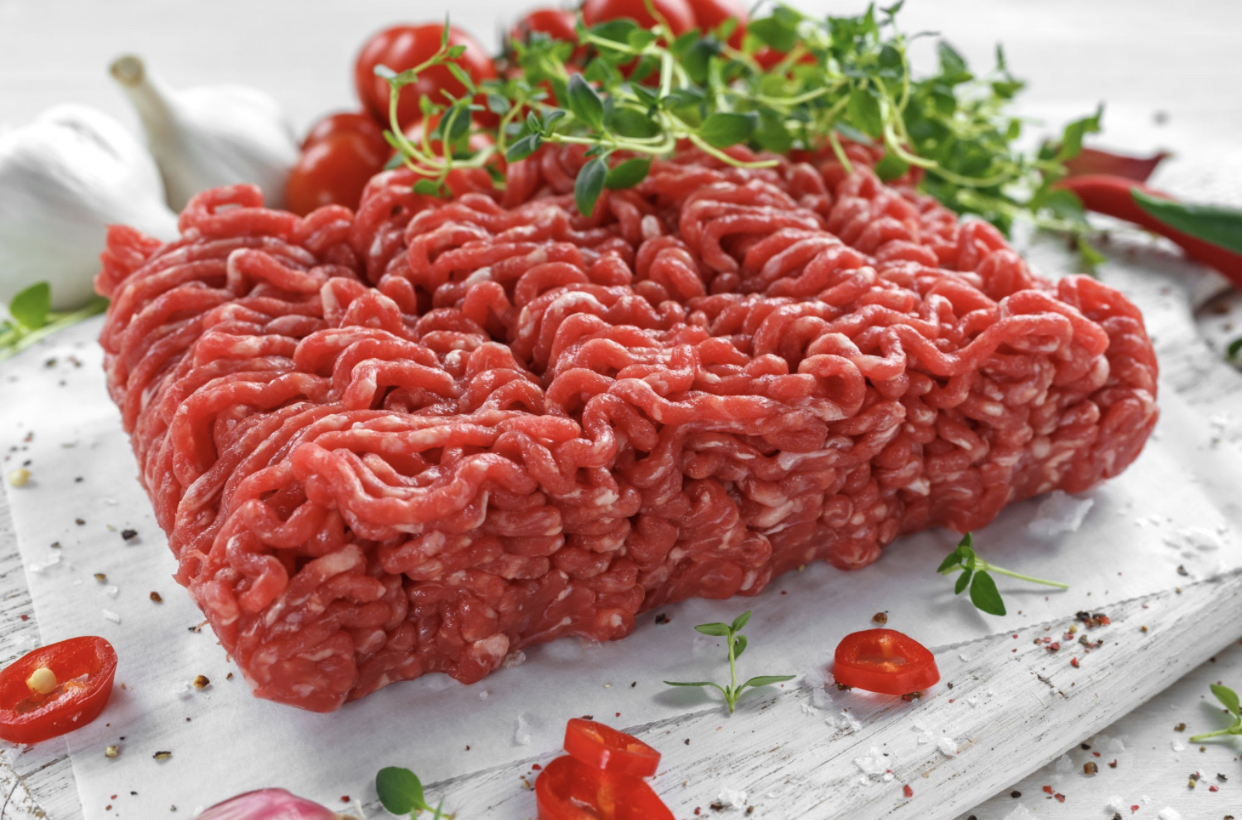
Choose lean beef mince where possible to reduce fat intake, never feed seasoned mince or leftovers from cooked dishes, raw mince carries bacterial risk especially for puppies or seniors, excessive fat may upset digestion, do not rely on beef mince as a sole diet because it lacks calcium and other essential nutrients. Other safe mince options inclide pork and chicken.
Important: We do our best to ensure the information on this page is accurate and based on reputable animal health sources. However, this website is intended for general informational purposes only and the content has not been individually reviewed or approved by a veterinarian.
Every dog is different and reactions to foods can vary. If you have concerns about your dog’s diet or health, it is always best to speak with a qualified veterinarian.
If you believe any information on this page is incorrect or outdated, please let us know via our Contact Us page so we can review and update it.
Here are answers to some of common questions that dog owners ask about this food's safety and nutrition
Beef mince can be included regularly in small amounts but should not replace a complete diet each day. While it provides valuable protein and minerals, it lacks calcium and other nutrients when fed alone. Rotating protein sources and keeping portions modest helps maintain balance. Many dogs do well with occasional additions rather than daily large servings.

The amount of beef mince depends on your dog’s size and the fat content. Small dogs may only need a tablespoon, while larger dogs can tolerate up to half a cup occasionally. Because higher fat mince contains more calories, portions should be adjusted accordingly. Lean mince allows slightly larger servings without significantly increasing calorie intake.
If your dog eats too much beef mince, digestive upset such as loose stools or vomiting may occur, especially if the mince was fatty. Provide water and return to their normal feeding routine at the next meal. Contact your vet if symptoms persist or if pancreatitis is a concern. Most mild cases resolve quickly with simple monitoring.
Puppies can enjoy cooked beef mince in small amounts, particularly when transitioning to solid foods. However it must be balanced carefully because mince alone lacks calcium required for bone development. Lean mince is preferred to avoid digestive upset. Introduce gradually and mix into a complete puppy diet. Some breeders use a teaspoon to tempt hesitant eaters, but larger portions can displace essential nutrients. Always monitor stools when introducing new protein sources to young dogs.
Small dogs benefit from the protein in beef mince, but portion control is important due to its calorie density. Even a tablespoon can contribute meaningful energy intake for toy breeds. Choose lean mince and mix thoroughly with regular food to prevent selective eating. If your small dog tends to gain weight easily, use very small amounts. Breaking the mince into fine pieces also helps slower eating and reduces the risk of gulping.
Senior dogs often appreciate the softer texture and strong aroma of cooked beef mince, particularly if dental issues make dry food difficult. Lean mince is important because older dogs may struggle with fatty meals. It can help maintain muscle mass when appetite declines. However some seniors require restricted protein depending on medical conditions, so portions should be moderate. Mixing mince with their usual food helps maintain balanced nutrition.
Beef mince is relatively calorie dense, so overweight dogs should only receive small amounts. Lean varieties are better suited, and draining fat after cooking reduces energy content. Using a spoonful to improve palatability of lower calorie meals can help maintain diet adherence. Avoid combining with other rich foods. Replacing part of the usual protein with lean mince rather than adding extra on top helps prevent excess calorie intake.
