
Yes. Plain chicken mince is safe for dogs when cooked and served without seasoning. It is a good protein source but should be part of a balanced diet. Avoid raw mince due to bacterial risk and never add onion or garlic.
Last updated:
March 29, 2026
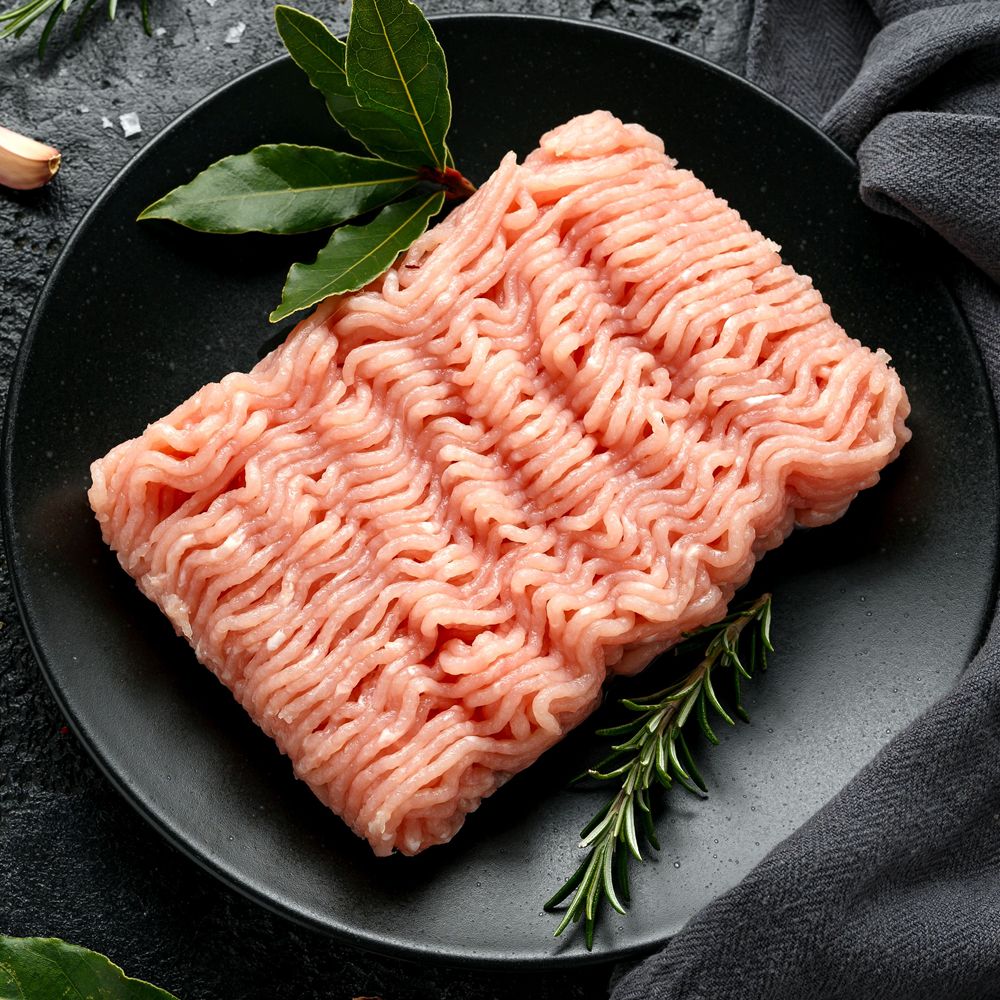
Always cook chicken mince to reduce bacterial risk, avoid feeding seasoned mince, high fat mince should be limited especially for dogs prone to pancreatitis, do not rely on chicken mince as a complete diet, store raw mince safely and discard leftovers promptly to prevent spoilage. Other options include pork mince and beef mince.
Important: We do our best to ensure the information on this page is accurate and based on reputable animal health sources. However, this website is intended for general informational purposes only and the content has not been individually reviewed or approved by a veterinarian.
Every dog is different and reactions to foods can vary. If you have concerns about your dog’s diet or health, it is always best to speak with a qualified veterinarian.
If you believe any information on this page is incorrect or outdated, please let us know via our Contact Us page so we can review and update it.
Here are answers to some of common questions that dog owners ask about this food's safety and nutrition
Chicken mince should not replace your dog’s regular diet every day. While it is nutritious, it lacks essential nutrients when fed alone. Small amounts mixed into balanced food can be used regularly, but feeding large quantities daily may lead to deficiencies. Rotating protein sources also helps provide variety and supports broader nutrient intake.

The right amount depends on your dog’s size, activity level and overall diet. Small dogs may only need a tablespoon, while larger dogs can handle up to half a cup occasionally. Because mince is calorie dense, it should be counted as part of the daily food allowance. Leaner mince allows slightly larger portions compared with regular varieties.
If your dog eats too much chicken mince, they may experience loose stools or mild digestive upset, especially if the mince was fatty. Offer fresh water and return to their normal diet at the next meal. Contact your vet if vomiting persists or if the mince was raw and contamination is a concern. Most dogs recover quickly with simple monitoring.
Puppies can benefit from the soft texture of cooked chicken mince, especially during transitions to solid food. However it must be balanced with calcium and other nutrients because mince alone does not meet growth requirements. Small amounts mixed with complete puppy food are safest. Introduce gradually and watch for loose stools. Lean mince is preferable as excess fat can upset sensitive stomachs. Many breeders use tiny portions when encouraging puppies that are slow to start eating.
Small dogs usually tolerate chicken mince well, but portions should remain modest to avoid excess calorie intake. Because small breeds often burn fewer calories, even a couple of tablespoons can be significant. Choose lean mince and mix into a full meal rather than offering separately. This helps prevent selective eating. If your dog tends to gulp food, breaking the mince into smaller pieces can slow eating and reduce the chance of digestive discomfort.
Senior dogs often appreciate the softer texture of cooked chicken mince, particularly if dental issues make kibble difficult. It can also help maintain muscle mass when appetite declines. Select lean mince and drain fat to reduce strain on digestion. Older dogs may require lower phosphorus or protein in certain medical conditions, so adjust portions accordingly. Mixing mince with existing food rather than replacing it helps maintain balanced nutrition.
Lean chicken mince can be useful for overweight dogs because it provides protein without excessive carbohydrates. Portion control remains important since higher fat mince increases calories quickly. Use small amounts to enhance low calorie meals. Draining fat after cooking helps reduce energy density. Avoid combining with high calorie extras. A spoonful mixed into vegetables or prescription weight diets can improve palatability without significantly increasing daily intake.
