
Yes. Dogs can eat plain rice bubbles in small amounts. They are not toxic but offer limited nutrition and often contain added salt. Avoid sweetened versions and do not serve with milk if your dog is lactose sensitive.
Last updated:
March 31, 2026
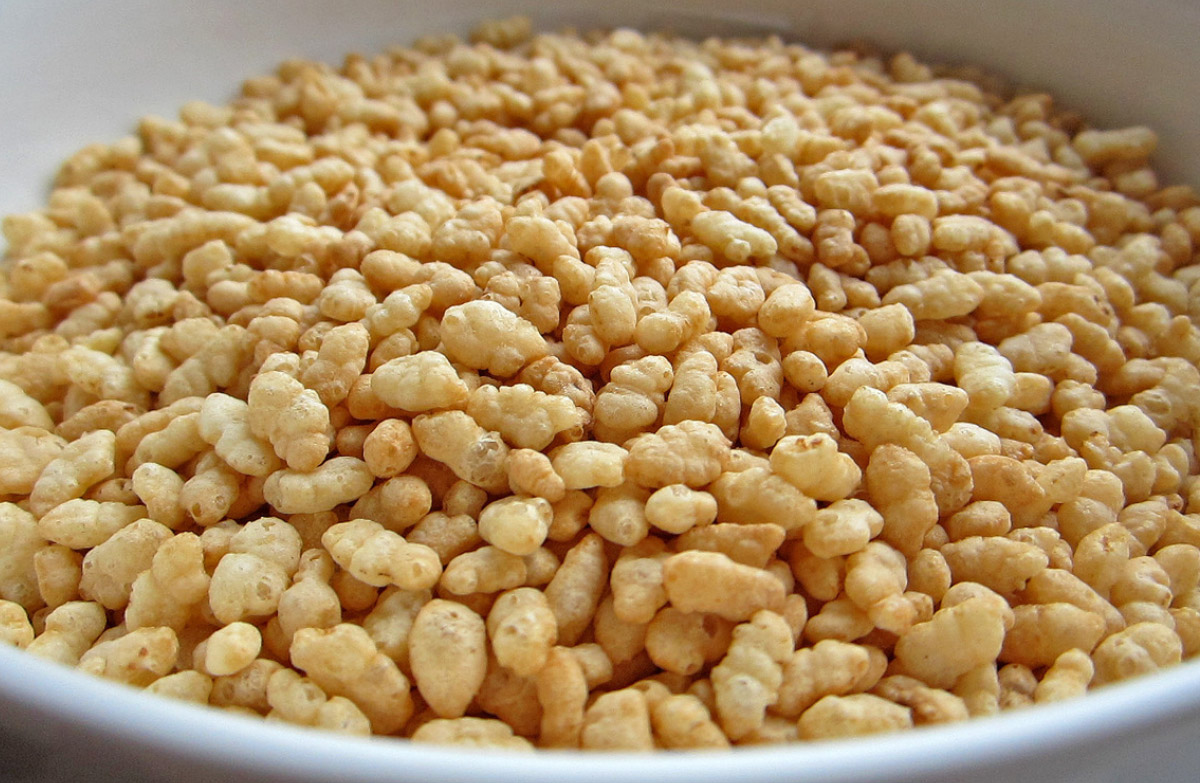
Only feed plain rice bubbles without added sugar or flavouring. Some varieties contain higher sodium levels, so portion control is important. Avoid chocolate coated or honey flavoured versions. Milk can cause digestive upset in some dogs. Check packaging for artificial sweeteners like xylitol. Rice bubbles are very light and easy to overfeed, so measure rather than pouring directly from the box. Some owners use a few pieces as low fat training treats because they crumble easily.
Important: We do our best to ensure the information on this page is accurate and based on reputable animal health sources. However, this website is intended for general informational purposes only and the content has not been individually reviewed or approved by a veterinarian.
Every dog is different and reactions to foods can vary. If you have concerns about your dog’s diet or health, it is always best to speak with a qualified veterinarian.
If you believe any information on this page is incorrect or outdated, please let us know via our Contact Us page so we can review and update it.
Here are answers to some of common questions that dog owners ask about this food's safety and nutrition
Dogs should not eat rice bubbles every day because they do not provide balanced nutrition. While plain versions are safe, frequent feeding may increase carbohydrate intake and reduce consumption of more beneficial foods. It is better to offer them occasionally. If you use them regularly as treats, keep quantities very small and ensure the main diet remains complete and balanced.

The amount of rice bubbles a dog can eat depends on body size and activity level. Start with a small handful for larger dogs and only a few pieces for small breeds. They should be treated as a snack rather than part of the meal. If you notice weight gain or loose stools, reduce the portion. Plain, unsweetened rice bubbles are always the safest choice.
If your dog eats too many rice bubbles, they may experience mild bloating or loose stools. Provide access to fresh water and return to their normal diet at the next meal. Avoid giving additional carbohydrate heavy treats that day. Most dogs recover quickly. Contact your vet if symptoms persist, particularly if sweetened cereal or milk was consumed.
Puppies can have a few plain rice bubbles occasionally, but they should not replace a balanced puppy diet. Growing dogs require nutrient dense meals, and cereal does not meet those needs. Offer only a small number and ensure they are plain without added sugar. Because rice bubbles soften quickly, they can be easier for young puppies to chew. Avoid milk, which may upset digestion. Using a few pieces during training sessions can help keep rewards small and manageable.
Small dogs should only receive a very small portion of rice bubbles because even lightweight cereal can add unnecessary carbohydrates. Offer a few pieces at a time and avoid free feeding. The flakes soften quickly if wet, which may stick to teeth, so dry pieces are usually better. Introduce gradually and watch for digestive changes. Mixing a small pinch into regular food can add variety without significantly increasing calorie intake.
Senior dogs may tolerate rice bubbles well when lightly softened with warm water. This can help dogs with dental wear who struggle with harder treats. However, cereal should only be an occasional addition and not a primary food. Older dogs often have reduced calorie requirements, so portions must stay small. Avoid milk as some seniors develop lactose sensitivity. A few softened rice bubbles can sometimes tempt a dog that is reluctant to eat.
For overweight dogs, rice bubbles should be limited due to their carbohydrate content and minimal nutritional value. If used, keep to a very small amount and avoid sweetened varieties. Plain rice bubbles can be mixed with low calorie vegetables to stretch a meal. Because they are easy to overfeed, measure carefully. Using them sparingly as crunchy toppers rather than a snack helps control energy intake.
