
Yes, dogs can eat tinned chicken if it is plain and low in sodium. It is not toxic but many canned varieties contain added salt. High sodium intake can lead to dehydration or digestive upset if fed regularly
Last updated:
March 24, 2026
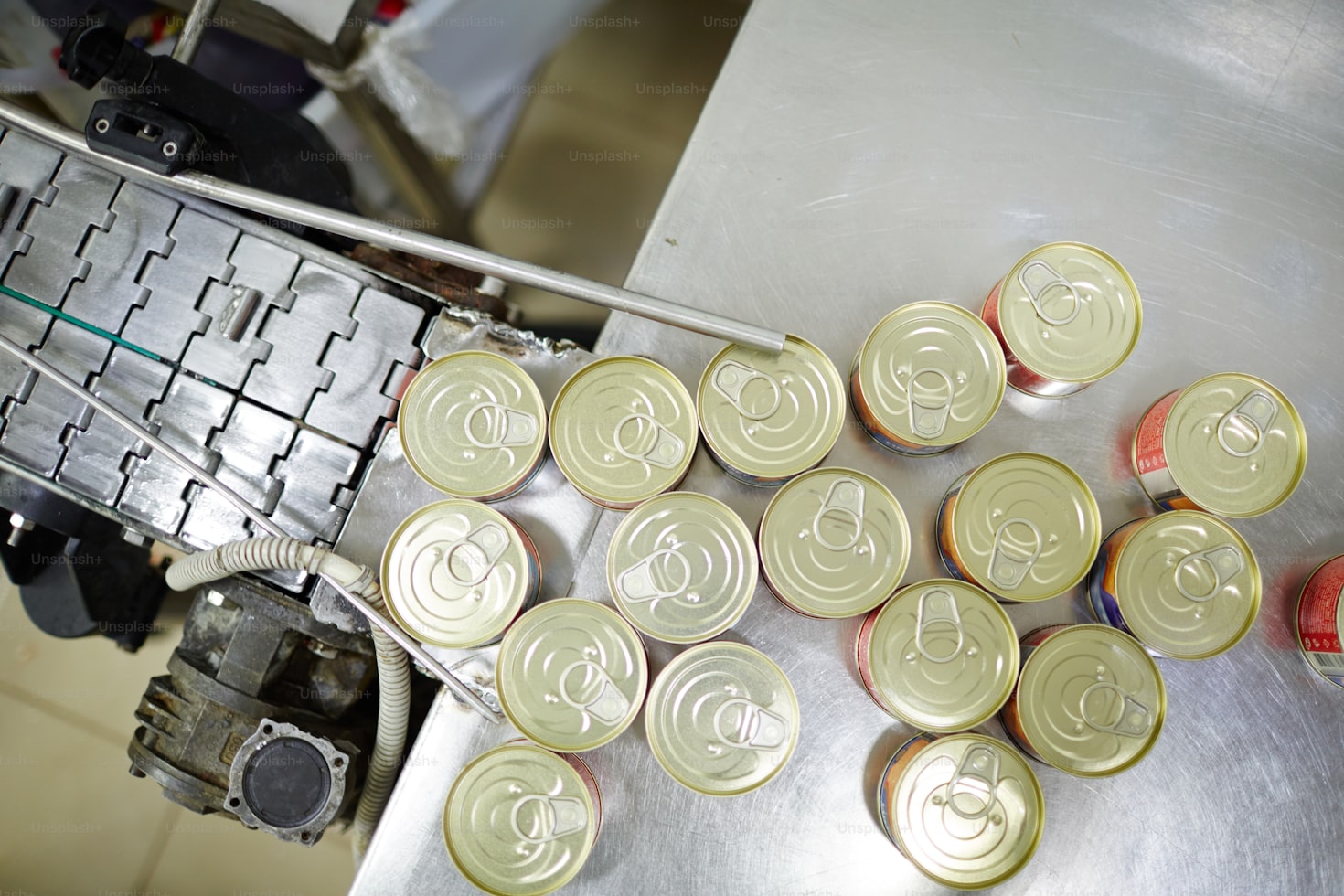
Check labels carefully as many tinned chicken products contain added salt, onion powder, garlic powder or flavourings. Avoid oil packed varieties where possible. Rinse and drain before serving to reduce sodium. Do not feed large amounts alongside other salty foods. Refrigerate unused portions promptly and use within one to two days. Some dogs may experience thirst after eating salted canned meats. A common scenario is using a spoonful to hide medication which is fine as long as the portion stays small. High sodium intake can lead to digestive upset if consumed regularly, so opt for healthier choices, like cooked plain chicken or raw chicken, where possible.
Important: We do our best to ensure the information on this page is accurate and based on reputable animal health sources. However, this website is intended for general informational purposes only and the content has not been individually reviewed or approved by a veterinarian.
Every dog is different and reactions to foods can vary. If you have concerns about your dog’s diet or health, it is always best to speak with a qualified veterinarian.
If you believe any information on this page is incorrect or outdated, please let us know via our Contact Us page so we can review and update it.
Here are answers to some of common questions that dog owners ask about this food's safety and nutrition
Tinned chicken is not ideal for daily feeding unless it is low sodium and used in small amounts. While it provides protein, many canned products contain added salt which can accumulate over time. Using it occasionally as a topper is safer. Rotating with fresh lean proteins helps maintain variety and reduces reliance on processed foods.

The amount of tinned chicken a dog can eat depends on size and sodium content. Start with a small spoonful and observe tolerance. Larger dogs can handle slightly more, but it should still remain a minor part of the meal. Always account for calories and salt, particularly if the dog already eats commercial treats.
If your dog eats too much tinned chicken, they may drink more water or develop mild digestive upset. Provide fresh water and avoid giving additional salty foods that day. Watch for vomiting or diarrhea, especially if the product was high in sodium. If excessive thirst or lethargy occurs, contact your veterinarian for advice.
Puppies can eat small amounts of plain tinned chicken, but it should not replace a balanced puppy diet. Their growth requires carefully controlled nutrients that canned chicken alone cannot provide. Choose low sodium options and mix only a small quantity into their normal food. Because puppies are sensitive to salt, avoid seasoned varieties. Soft texture can help during teething, but lean cooked chicken is often a better everyday choice for young dogs.
Small dogs are more sensitive to sodium due to their lower body weight. Even a few tablespoons of salted tinned chicken may exceed their recommended intake. Always drain and rinse before serving. Use tiny portions as a topper rather than a main protein source. Because small breeds often enjoy moist foods, it can be tempting to add more, but this may quickly increase calories. Choosing low salt versions helps reduce risk.
Senior dogs may benefit from the soft texture of tinned chicken, particularly if chewing dry food is difficult. However, older dogs may also have heart or kidney conditions where sodium intake matters more. Opt for low salt options and keep servings modest. Mixing a small amount into regular food can improve appetite. If your senior dog is on a veterinary diet, check that adding canned chicken will not interfere with nutrient balance.
For overweight dogs, tinned chicken in water can be a helpful lean protein addition if used carefully. It can increase palatability without adding too many calories. Avoid oil packed versions as they significantly raise fat content. Measure portions and mix with low calorie vegetables to bulk up meals. Because processed meats can encourage overeating, stick to small quantities and adjust total daily calories accordingly.
